

 Image 1 of 2
 Image 2 of 2
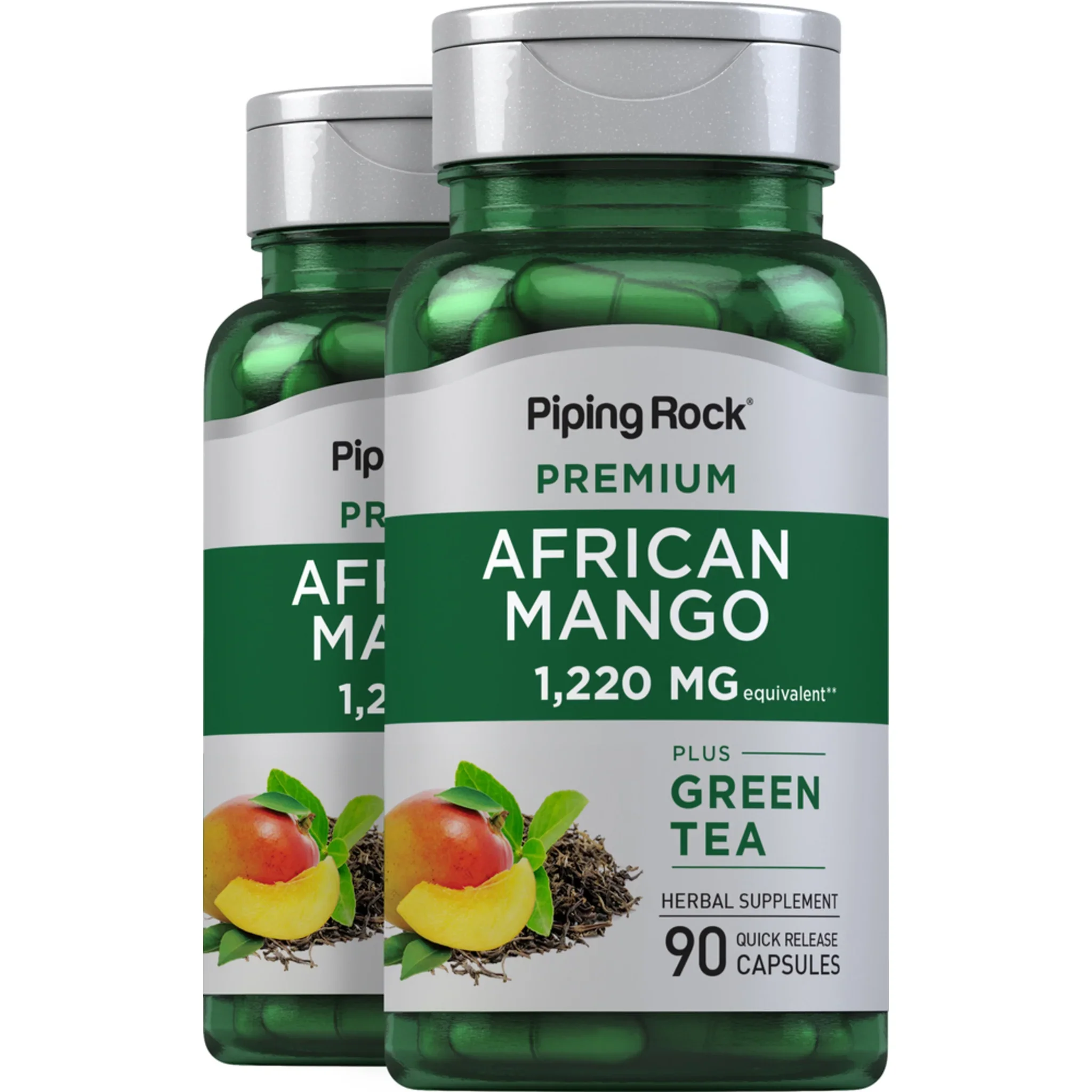
African Mango Seed
African Mango Seed (Irvingia gabonensis) – Weight Management & Metabolic Wellness Support
African Mango Seed, derived from the seeds of Irvingia gabonensis, comes from a fruit tree native to West and Central Africa. The seeds have traditionally been used as a food ingredient, while modern supplement research has focused on concentrated seed extracts and their potential role in body weight, waist circumference, lipid balance, and metabolic health markers. Human studies suggest African Mango Seed Extract may support weight management and selected metabolic markers in overweight and obese adults, although the evidence base is still limited and study quality varies.
Potential Health Benefits of African Mango Seed
May support healthy weight management alongside diet and lifestyle
Supports waist circumference and body composition research in overweight populations
May assist healthy lipid and metabolic markers in studied adults
Further Information
Traditional & Historical Use
Irvingia gabonensis is traditionally consumed in parts of West and Central Africa, where the fruit and seeds are used as food ingredients. The seeds, sometimes called dika nuts or bush mango seeds, are naturally rich in fats and fibre-like components and have been used in traditional diets and cooking practices. Modern research has focused primarily on proprietary or concentrated seed extracts used in short-term human weight management and metabolic studies.
Weight Management Research
A 2013 systematic review of randomised controlled trials found that Irvingia gabonensis supplementation was associated with reductions in body weight and waist circumference compared with placebo; however, the review also noted that the included studies were limited by small sample sizes, short duration, and methodological weaknesses. This supports careful use of weight management language, especially when paired with healthy nutrition and lifestyle habits.
Body Composition & Waist Circumference Research
A 2020 systematic review and meta-analysis of randomised controlled trials reported significant reductions in body weight, body fat, and waist circumference with Irvingia gabonensis seed extract supplementation, while also noting that further high-quality trials are needed to confirm these findings. This evidence supports body composition and waist circumference research claims, without presenting African Mango Seed as a guaranteed weight loss ingredient.
Lipid & Metabolic Marker Research
Human studies have investigated Irvingia gabonensis seed extract for lipid and metabolic markers. A 2005 study in obese adults reported reductions in total cholesterol, LDL cholesterol, triglycerides, and increases in HDL cholesterol, while a 2009 double-blind placebo-controlled study of IGOB131 reported improvements in body weight and several metabolic parameters. These findings are relevant but should be interpreted alongside systematic review concerns about study quality, replication, and trial duration.
Safety & Considerations
African Mango Seed Extract appears to be generally well tolerated in short-term human studies, but longer-term safety data is limited. Reported side effects in reviewed studies have included headache, sleep difficulty, and flatulence. Individuals who are pregnant, breastfeeding, taking prescription medications, managing diabetes, cholesterol concerns, gastrointestinal conditions, liver or kidney disease, or any underlying health condition should consult a qualified healthcare professional before use. As with all supplements, use only as directed and seek medical advice before consuming if unsure whether this product is suitable for your individual needs.
References
The efficacy of Irvingia gabonensis supplementation in the management of overweight and obesity: a systematic review of randomized controlled trials
https://pubmed.ncbi.nlm.nih.gov/23419021/The efficacy of Irvingia gabonensis supplementation in the management of overweight and obesity — NCBI DARE record
https://www.ncbi.nlm.nih.gov/books/NBK132337/The Effects of Irvingia gabonensis Seed Extract Supplementation on Anthropometric and Cardiovascular Outcomes: A Systematic Review and Meta-Analysis
https://pubmed.ncbi.nlm.nih.gov/31855111/The effect of Irvingia gabonensis seeds on body weight and blood lipids of obese subjects in Cameroon
https://pmc.ncbi.nlm.nih.gov/articles/PMC1168905/The effect of Irvingia gabonensis seeds on body weight and blood lipids of obese subjects in Cameroon — PubMed record
https://pubmed.ncbi.nlm.nih.gov/15916709/IGOB131, a novel seed extract of the West African plant Irvingia gabonensis, significantly reduces body weight and improves metabolic parameters in overweight humans
https://pmc.ncbi.nlm.nih.gov/articles/PMC2651880/IGOB131, a novel seed extract of the West African plant Irvingia gabonensis — PubMed record
https://pubmed.ncbi.nlm.nih.gov/19254366/
African Mango Seed (Irvingia gabonensis) – Weight Management & Metabolic Wellness Support
African Mango Seed, derived from the seeds of Irvingia gabonensis, comes from a fruit tree native to West and Central Africa. The seeds have traditionally been used as a food ingredient, while modern supplement research has focused on concentrated seed extracts and their potential role in body weight, waist circumference, lipid balance, and metabolic health markers. Human studies suggest African Mango Seed Extract may support weight management and selected metabolic markers in overweight and obese adults, although the evidence base is still limited and study quality varies.
Potential Health Benefits of African Mango Seed
May support healthy weight management alongside diet and lifestyle
Supports waist circumference and body composition research in overweight populations
May assist healthy lipid and metabolic markers in studied adults
Further Information
Traditional & Historical Use
Irvingia gabonensis is traditionally consumed in parts of West and Central Africa, where the fruit and seeds are used as food ingredients. The seeds, sometimes called dika nuts or bush mango seeds, are naturally rich in fats and fibre-like components and have been used in traditional diets and cooking practices. Modern research has focused primarily on proprietary or concentrated seed extracts used in short-term human weight management and metabolic studies.
Weight Management Research
A 2013 systematic review of randomised controlled trials found that Irvingia gabonensis supplementation was associated with reductions in body weight and waist circumference compared with placebo; however, the review also noted that the included studies were limited by small sample sizes, short duration, and methodological weaknesses. This supports careful use of weight management language, especially when paired with healthy nutrition and lifestyle habits.
Body Composition & Waist Circumference Research
A 2020 systematic review and meta-analysis of randomised controlled trials reported significant reductions in body weight, body fat, and waist circumference with Irvingia gabonensis seed extract supplementation, while also noting that further high-quality trials are needed to confirm these findings. This evidence supports body composition and waist circumference research claims, without presenting African Mango Seed as a guaranteed weight loss ingredient.
Lipid & Metabolic Marker Research
Human studies have investigated Irvingia gabonensis seed extract for lipid and metabolic markers. A 2005 study in obese adults reported reductions in total cholesterol, LDL cholesterol, triglycerides, and increases in HDL cholesterol, while a 2009 double-blind placebo-controlled study of IGOB131 reported improvements in body weight and several metabolic parameters. These findings are relevant but should be interpreted alongside systematic review concerns about study quality, replication, and trial duration.
Safety & Considerations
African Mango Seed Extract appears to be generally well tolerated in short-term human studies, but longer-term safety data is limited. Reported side effects in reviewed studies have included headache, sleep difficulty, and flatulence. Individuals who are pregnant, breastfeeding, taking prescription medications, managing diabetes, cholesterol concerns, gastrointestinal conditions, liver or kidney disease, or any underlying health condition should consult a qualified healthcare professional before use. As with all supplements, use only as directed and seek medical advice before consuming if unsure whether this product is suitable for your individual needs.
References
The efficacy of Irvingia gabonensis supplementation in the management of overweight and obesity: a systematic review of randomized controlled trials
https://pubmed.ncbi.nlm.nih.gov/23419021/The efficacy of Irvingia gabonensis supplementation in the management of overweight and obesity — NCBI DARE record
https://www.ncbi.nlm.nih.gov/books/NBK132337/The Effects of Irvingia gabonensis Seed Extract Supplementation on Anthropometric and Cardiovascular Outcomes: A Systematic Review and Meta-Analysis
https://pubmed.ncbi.nlm.nih.gov/31855111/The effect of Irvingia gabonensis seeds on body weight and blood lipids of obese subjects in Cameroon
https://pmc.ncbi.nlm.nih.gov/articles/PMC1168905/The effect of Irvingia gabonensis seeds on body weight and blood lipids of obese subjects in Cameroon — PubMed record
https://pubmed.ncbi.nlm.nih.gov/15916709/IGOB131, a novel seed extract of the West African plant Irvingia gabonensis, significantly reduces body weight and improves metabolic parameters in overweight humans
https://pmc.ncbi.nlm.nih.gov/articles/PMC2651880/IGOB131, a novel seed extract of the West African plant Irvingia gabonensis — PubMed record
https://pubmed.ncbi.nlm.nih.gov/19254366/