

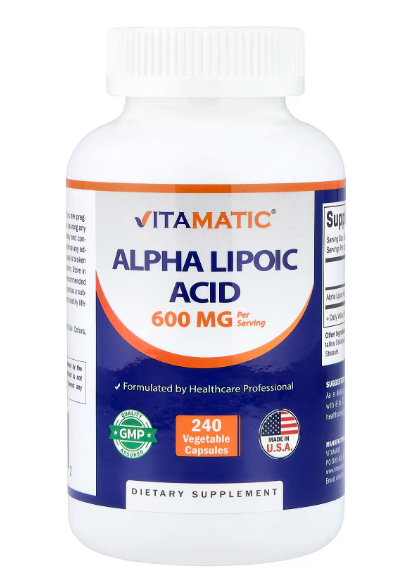
 Image 1 of 2
 Image 2 of 2
ALA (Alpha-Lipoic Acid)
Alpha Lipoic Acid – Antioxidant & Metabolic Wellness Support
Alpha Lipoic Acid, often shortened to ALA, is a naturally occurring compound involved in cellular energy metabolism and antioxidant activity. It is both water- and fat-soluble, which allows it to work across different cellular environments. In human research, Alpha Lipoic Acid has been studied most strongly for glucose metabolism, oxidative stress, inflammatory markers, lipid balance, and diabetic peripheral neuropathy-related outcomes.
Potential Health Benefits of Alpha Lipoic Acid
Supports antioxidant activity and oxidative stress balance
May assist healthy glucose metabolism and insulin sensitivity
Supports nerve health research in diabetic peripheral neuropathy populations
Further Information
Traditional & Historical Use
Alpha Lipoic Acid is not a traditional herbal ingredient. It is a naturally occurring compound found in small amounts in foods and produced in the body, where it helps enzymes involved in mitochondrial energy metabolism. Modern supplement use is based on biochemical and clinical research into antioxidant activity, glucose metabolism, inflammation, lipid markers, and nerve-related outcomes.
Antioxidant & Oxidative Stress Support
Alpha Lipoic Acid has been reviewed for its antioxidant activity and role in redox balance, including its ability to interact with oxidative stress pathways and support cellular antioxidant systems. Human research has investigated ALA in conditions associated with oxidative stress, particularly metabolic disorders and diabetic neuropathy-related outcomes.
Glucose Metabolism & Lipid Research
A systematic review and meta-analysis of randomised controlled trials found that Alpha Lipoic Acid supplementation improved glucose homeostasis parameters and lipid profiles in studied populations. Another dose-response meta-analysis reported reductions in HbA1c, fasting plasma glucose, triglycerides, body weight, and CRP in patients with cardiometabolic risk factors. These findings relate mainly to clinical or metabolically at-risk populations rather than general healthy adults.
Nerve Health Research
Alpha Lipoic Acid has been studied in diabetic peripheral neuropathy, where oxidative stress is believed to contribute to nerve-related symptoms. A systematic review and meta-analysis found oral ALA improved neuropathy symptoms and reduced pain scores in diabetic sensorimotor peripheral neuropathy, although results varied by dose, duration, and study design.
Safety & Considerations
Alpha Lipoic Acid is generally well tolerated in clinical studies, although side effects may include nausea, digestive discomfort, headache, dizziness, or skin reactions. ALA may affect blood glucose levels and may interact with diabetes medications, thyroid medications, chemotherapy, or other prescription medicines. Individuals who are pregnant, breastfeeding, taking prescription medications, managing diabetes, thyroid conditions, liver disease, kidney disease, neurological conditions, or any underlying health condition should consult a qualified healthcare professional before use. As with all supplements, use only as directed and seek medical advice before consuming if unsure whether this product is suitable for your individual needs.
References
Alpha-Lipoic Acid and Glucose Metabolism
https://pmc.ncbi.nlm.nih.gov/articles/PMC9824456/Alpha-lipoic acid supplementation and diabetes
https://pmc.ncbi.nlm.nih.gov/articles/PMC2657658/The effects of alpha-lipoic acid supplementation on glucose control and lipid profiles among patients with metabolic diseases: a systematic review and meta-analysis of randomized controlled trials
https://pubmed.ncbi.nlm.nih.gov/29990473/Efficacy and safety of oral alpha-lipoic acid supplementation on cardiometabolic risk factors: a systematic review and dose-response meta-analysis of randomized controlled trials
https://pubmed.ncbi.nlm.nih.gov/36006850/Effects of Oral Alpha-Lipoic Acid Treatment on Diabetic Sensorimotor Peripheral Neuropathy: A Systematic Review and Meta-Analysis
https://pmc.ncbi.nlm.nih.gov/articles/PMC10458197/Safety Evaluation of α-Lipoic Acid Supplementation: A Systematic Review and Meta-Analysis of Randomized Placebo-Controlled Clinical Studies
https://pmc.ncbi.nlm.nih.gov/articles/PMC7603186/
Alpha Lipoic Acid – Antioxidant & Metabolic Wellness Support
Alpha Lipoic Acid, often shortened to ALA, is a naturally occurring compound involved in cellular energy metabolism and antioxidant activity. It is both water- and fat-soluble, which allows it to work across different cellular environments. In human research, Alpha Lipoic Acid has been studied most strongly for glucose metabolism, oxidative stress, inflammatory markers, lipid balance, and diabetic peripheral neuropathy-related outcomes.
Potential Health Benefits of Alpha Lipoic Acid
Supports antioxidant activity and oxidative stress balance
May assist healthy glucose metabolism and insulin sensitivity
Supports nerve health research in diabetic peripheral neuropathy populations
Further Information
Traditional & Historical Use
Alpha Lipoic Acid is not a traditional herbal ingredient. It is a naturally occurring compound found in small amounts in foods and produced in the body, where it helps enzymes involved in mitochondrial energy metabolism. Modern supplement use is based on biochemical and clinical research into antioxidant activity, glucose metabolism, inflammation, lipid markers, and nerve-related outcomes.
Antioxidant & Oxidative Stress Support
Alpha Lipoic Acid has been reviewed for its antioxidant activity and role in redox balance, including its ability to interact with oxidative stress pathways and support cellular antioxidant systems. Human research has investigated ALA in conditions associated with oxidative stress, particularly metabolic disorders and diabetic neuropathy-related outcomes.
Glucose Metabolism & Lipid Research
A systematic review and meta-analysis of randomised controlled trials found that Alpha Lipoic Acid supplementation improved glucose homeostasis parameters and lipid profiles in studied populations. Another dose-response meta-analysis reported reductions in HbA1c, fasting plasma glucose, triglycerides, body weight, and CRP in patients with cardiometabolic risk factors. These findings relate mainly to clinical or metabolically at-risk populations rather than general healthy adults.
Nerve Health Research
Alpha Lipoic Acid has been studied in diabetic peripheral neuropathy, where oxidative stress is believed to contribute to nerve-related symptoms. A systematic review and meta-analysis found oral ALA improved neuropathy symptoms and reduced pain scores in diabetic sensorimotor peripheral neuropathy, although results varied by dose, duration, and study design.
Safety & Considerations
Alpha Lipoic Acid is generally well tolerated in clinical studies, although side effects may include nausea, digestive discomfort, headache, dizziness, or skin reactions. ALA may affect blood glucose levels and may interact with diabetes medications, thyroid medications, chemotherapy, or other prescription medicines. Individuals who are pregnant, breastfeeding, taking prescription medications, managing diabetes, thyroid conditions, liver disease, kidney disease, neurological conditions, or any underlying health condition should consult a qualified healthcare professional before use. As with all supplements, use only as directed and seek medical advice before consuming if unsure whether this product is suitable for your individual needs.
References
Alpha-Lipoic Acid and Glucose Metabolism
https://pmc.ncbi.nlm.nih.gov/articles/PMC9824456/Alpha-lipoic acid supplementation and diabetes
https://pmc.ncbi.nlm.nih.gov/articles/PMC2657658/The effects of alpha-lipoic acid supplementation on glucose control and lipid profiles among patients with metabolic diseases: a systematic review and meta-analysis of randomized controlled trials
https://pubmed.ncbi.nlm.nih.gov/29990473/Efficacy and safety of oral alpha-lipoic acid supplementation on cardiometabolic risk factors: a systematic review and dose-response meta-analysis of randomized controlled trials
https://pubmed.ncbi.nlm.nih.gov/36006850/Effects of Oral Alpha-Lipoic Acid Treatment on Diabetic Sensorimotor Peripheral Neuropathy: A Systematic Review and Meta-Analysis
https://pmc.ncbi.nlm.nih.gov/articles/PMC10458197/Safety Evaluation of α-Lipoic Acid Supplementation: A Systematic Review and Meta-Analysis of Randomized Placebo-Controlled Clinical Studies
https://pmc.ncbi.nlm.nih.gov/articles/PMC7603186/