

 Image 1 of 2
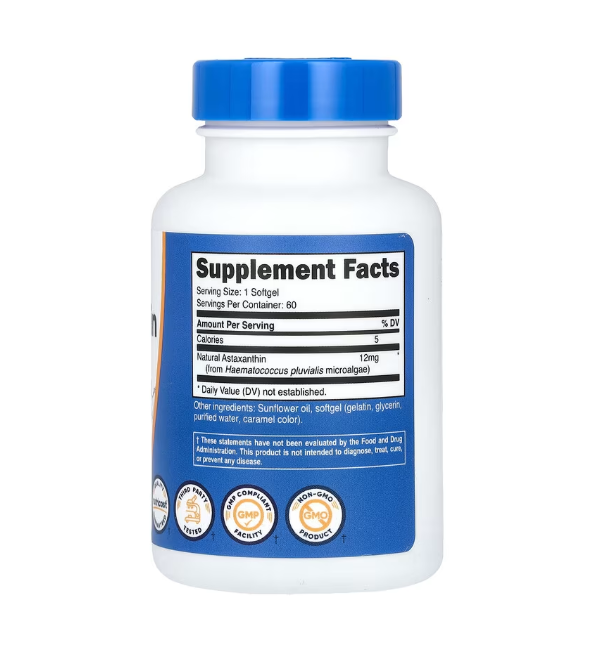 Image 2 of 2
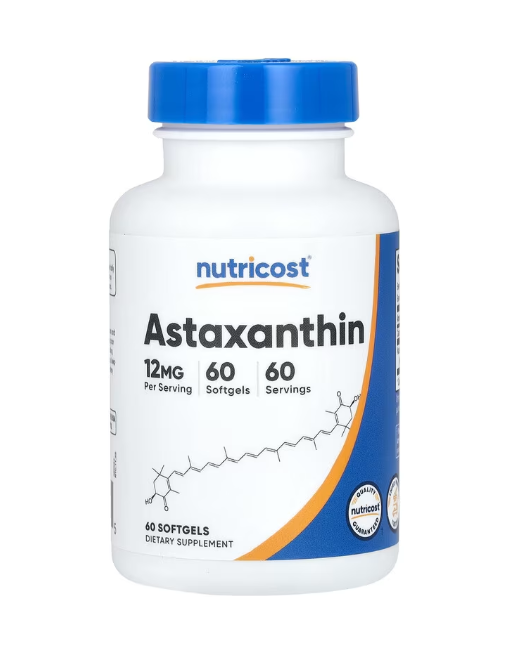
Astaxanthin
Astaxanthin – Antioxidant, Skin & Cellular Wellness Support
Astaxanthin is a naturally occurring red-orange carotenoid found in microalgae, salmon, trout, krill, shrimp, and other marine organisms. It is best known for its antioxidant activity, helping protect cells from oxidative stress caused by everyday environmental, metabolic, and lifestyle factors. Human research has investigated astaxanthin for skin hydration and elasticity, oxidative stress and inflammation markers, eye fatigue, and cardiometabolic wellness outcomes.
Potential Health Benefits of Astaxanthin
Supports antioxidant activity and oxidative stress balance
May assist skin hydration, elasticity, and visible skin ageing markers
Supports eye fatigue and cardiometabolic marker research
Further Information
Traditional & Historical Use
Astaxanthin is not a traditional herbal medicine, but it has long been consumed through marine foods such as salmon, trout, shrimp, krill, and other seafood. In nature, astaxanthin is produced by microalgae such as Haematococcus pluvialis and contributes to the red-orange colour of many marine species. Modern supplement use focuses on natural astaxanthin from microalgae and its role in antioxidant, skin, eye, and cellular wellness research.
Antioxidant & Oxidative Stress Support
Astaxanthin has been studied for its antioxidant and anti-inflammatory effects in human trials. A systematic review and meta-analysis of randomised controlled trials found that astaxanthin supplementation mildly reduced oxidative stress and inflammation biomarkers, with stronger effects observed in some metabolically at-risk populations.
Skin Health & Visible Ageing Research
A systematic review and meta-analysis found that oral and topical astaxanthin improved several skin ageing-related markers, including moisture content, elasticity, and wrinkles. Another review of supplementation studies reported improvements in skin texture, appearance, wrinkles, and moisture content. These findings support astaxanthin’s role in skin wellness and visible ageing support.
Eye Fatigue & Visual Wellness Research
Human studies have investigated astaxanthin for visual fatigue and accommodation function. A randomised, double-blind, placebo-controlled study found that astaxanthin supplementation improved subjective symptoms of eye fatigue in people using visual display terminals, while other clinical research has explored its role in eye strain and visual performance.
Cardiometabolic Wellness Research
A systematic review of astaxanthin in adults at risk of metabolic syndrome found that clinical evidence is still developing, with studies investigating lipid profile, glucose metabolism, oxidative stress, and inflammatory markers. Current findings suggest possible benefits for selected cardiometabolic markers, but results vary across study design, dose, and population.
Safety & Considerations
Astaxanthin is generally well tolerated in human studies, and a safety review of 87 human studies reported no major safety concerns with natural astaxanthin supplementation, including studies using doses of 12 mg/day or higher. Mild digestive changes or stool colour changes may occur in some individuals. Individuals who are pregnant, breastfeeding, taking prescription medications, using blood pressure, blood-thinning, cholesterol, diabetes, immune, or hormone-related medications, or managing liver disease, kidney disease, cardiovascular conditions, metabolic conditions, or any underlying health condition should consult a qualified healthcare professional before use. As with all supplements, use only as directed and seek medical advice before consuming if unsure whether this product is suitable for your individual needs.
References
Systematic Review and Meta-Analysis on the Effects of Astaxanthin on Human Skin Ageing
https://pmc.ncbi.nlm.nih.gov/articles/PMC8472736/Effects of Astaxanthin Supplementation on Skin Health: A Systematic Review of Clinical Studies
https://pubmed.ncbi.nlm.nih.gov/32202443/Astaxanthin supplementation mildly reduced oxidative stress and inflammation biomarkers: A systematic review and meta-analysis of randomized controlled trials
https://pubmed.ncbi.nlm.nih.gov/34619355/Astaxanthin Influence on Health Outcomes of Adults at Risk of Metabolic Syndrome
https://pmc.ncbi.nlm.nih.gov/articles/PMC9148008/The effect of astaxanthin on accommodation and asthenopia — randomized, double-blind, placebo-controlled trial
https://pubmed.ncbi.nlm.nih.gov/24679833/Astaxanthin: An evidence-based review focused on human clinical trials
https://pubmed.ncbi.nlm.nih.gov/33549728/Astaxanthin: How much is too much? A safety review
https://pubmed.ncbi.nlm.nih.gov/31788888/Astaxanthin: Sources, Extraction, Stability, Biological Activities and Its Commercial Applications—A Review
https://pmc.ncbi.nlm.nih.gov/articles/PMC3917265/
Astaxanthin – Antioxidant, Skin & Cellular Wellness Support
Astaxanthin is a naturally occurring red-orange carotenoid found in microalgae, salmon, trout, krill, shrimp, and other marine organisms. It is best known for its antioxidant activity, helping protect cells from oxidative stress caused by everyday environmental, metabolic, and lifestyle factors. Human research has investigated astaxanthin for skin hydration and elasticity, oxidative stress and inflammation markers, eye fatigue, and cardiometabolic wellness outcomes.
Potential Health Benefits of Astaxanthin
Supports antioxidant activity and oxidative stress balance
May assist skin hydration, elasticity, and visible skin ageing markers
Supports eye fatigue and cardiometabolic marker research
Further Information
Traditional & Historical Use
Astaxanthin is not a traditional herbal medicine, but it has long been consumed through marine foods such as salmon, trout, shrimp, krill, and other seafood. In nature, astaxanthin is produced by microalgae such as Haematococcus pluvialis and contributes to the red-orange colour of many marine species. Modern supplement use focuses on natural astaxanthin from microalgae and its role in antioxidant, skin, eye, and cellular wellness research.
Antioxidant & Oxidative Stress Support
Astaxanthin has been studied for its antioxidant and anti-inflammatory effects in human trials. A systematic review and meta-analysis of randomised controlled trials found that astaxanthin supplementation mildly reduced oxidative stress and inflammation biomarkers, with stronger effects observed in some metabolically at-risk populations.
Skin Health & Visible Ageing Research
A systematic review and meta-analysis found that oral and topical astaxanthin improved several skin ageing-related markers, including moisture content, elasticity, and wrinkles. Another review of supplementation studies reported improvements in skin texture, appearance, wrinkles, and moisture content. These findings support astaxanthin’s role in skin wellness and visible ageing support.
Eye Fatigue & Visual Wellness Research
Human studies have investigated astaxanthin for visual fatigue and accommodation function. A randomised, double-blind, placebo-controlled study found that astaxanthin supplementation improved subjective symptoms of eye fatigue in people using visual display terminals, while other clinical research has explored its role in eye strain and visual performance.
Cardiometabolic Wellness Research
A systematic review of astaxanthin in adults at risk of metabolic syndrome found that clinical evidence is still developing, with studies investigating lipid profile, glucose metabolism, oxidative stress, and inflammatory markers. Current findings suggest possible benefits for selected cardiometabolic markers, but results vary across study design, dose, and population.
Safety & Considerations
Astaxanthin is generally well tolerated in human studies, and a safety review of 87 human studies reported no major safety concerns with natural astaxanthin supplementation, including studies using doses of 12 mg/day or higher. Mild digestive changes or stool colour changes may occur in some individuals. Individuals who are pregnant, breastfeeding, taking prescription medications, using blood pressure, blood-thinning, cholesterol, diabetes, immune, or hormone-related medications, or managing liver disease, kidney disease, cardiovascular conditions, metabolic conditions, or any underlying health condition should consult a qualified healthcare professional before use. As with all supplements, use only as directed and seek medical advice before consuming if unsure whether this product is suitable for your individual needs.
References
Systematic Review and Meta-Analysis on the Effects of Astaxanthin on Human Skin Ageing
https://pmc.ncbi.nlm.nih.gov/articles/PMC8472736/Effects of Astaxanthin Supplementation on Skin Health: A Systematic Review of Clinical Studies
https://pubmed.ncbi.nlm.nih.gov/32202443/Astaxanthin supplementation mildly reduced oxidative stress and inflammation biomarkers: A systematic review and meta-analysis of randomized controlled trials
https://pubmed.ncbi.nlm.nih.gov/34619355/Astaxanthin Influence on Health Outcomes of Adults at Risk of Metabolic Syndrome
https://pmc.ncbi.nlm.nih.gov/articles/PMC9148008/The effect of astaxanthin on accommodation and asthenopia — randomized, double-blind, placebo-controlled trial
https://pubmed.ncbi.nlm.nih.gov/24679833/Astaxanthin: An evidence-based review focused on human clinical trials
https://pubmed.ncbi.nlm.nih.gov/33549728/Astaxanthin: How much is too much? A safety review
https://pubmed.ncbi.nlm.nih.gov/31788888/Astaxanthin: Sources, Extraction, Stability, Biological Activities and Its Commercial Applications—A Review
https://pmc.ncbi.nlm.nih.gov/articles/PMC3917265/