

 Image 1 of 2
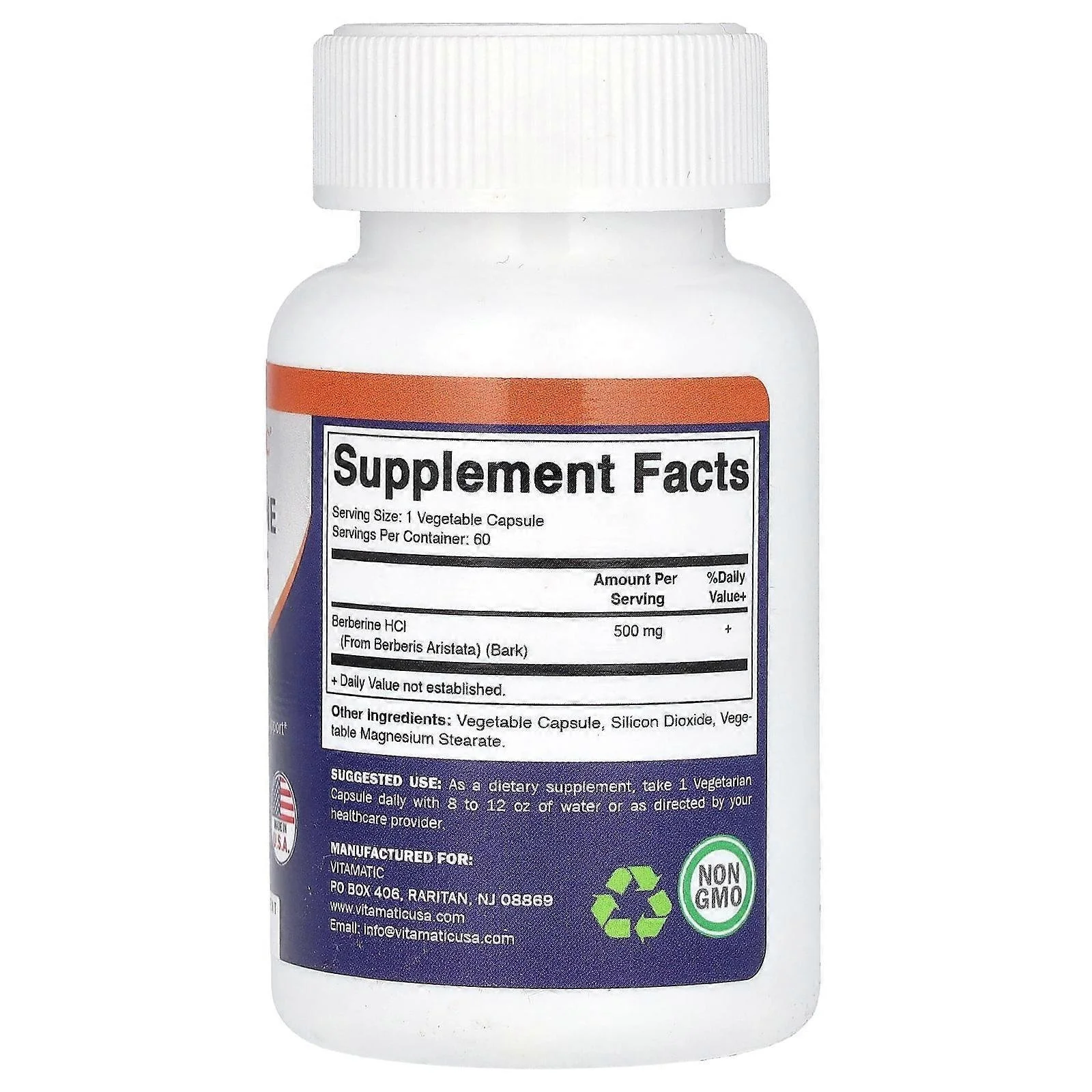 Image 2 of 2
Berberine
Berberine – Metabolic & Glucose Wellness Support
Berberine is a naturally occurring plant alkaloid found in several botanicals, including species traditionally used in Chinese and Ayurvedic medicine. It has been used in traditional herbal systems for digestive and metabolic wellness, while modern human research has focused mainly on blood glucose, insulin resistance, cholesterol, triglycerides, and broader metabolic health markers. The strongest evidence comes from clinical studies and systematic reviews in people with type 2 diabetes, dyslipidaemia, metabolic syndrome, or other cardiometabolic risk factors.
Potential Health Benefits of Berberine
Supports healthy glucose metabolism and insulin sensitivity
Assists healthy cholesterol and triglyceride balance
Supports metabolic wellness in studied adult populations
Further Information
Traditional & Historical Use
Berberine-containing plants have a long history of use in traditional Chinese, Ayurvedic, and Middle Eastern herbal medicine. Botanicals such as Coptis chinensis, Berberis species, and Hydrastis canadensis have traditionally been used for digestive and metabolic support. Modern supplement research focuses on isolated berberine and its effects on glucose-lipid metabolism, insulin resistance, and cardiometabolic markers.
Glucose Metabolism Research
A 2021 systematic review and meta-analysis of randomised controlled trials found that berberine improved metabolic profiles in people with type 2 diabetes, including fasting blood glucose, HbA1c, insulin resistance, and lipid-related outcomes. The evidence is strongest in studied clinical populations and does not replace medical treatment for diabetes or other metabolic conditions.
Lipid Balance Research
Meta-analyses of randomised controlled trials have found that berberine can improve lipid markers, including reductions in total cholesterol, LDL cholesterol, and triglycerides, with some studies also reporting improvements in HDL cholesterol. The degree of benefit varies between studies depending on dose, duration, baseline health status, and whether berberine was used alone or alongside other therapies.
Metabolic Syndrome & Cardiometabolic Research
Systematic reviews have evaluated berberine across metabolic syndrome and cardiometabolic outcomes, including body weight, waist circumference, insulin resistance, blood lipids, and inflammatory markers. Findings suggest benefits across selected metabolic markers, particularly in people with abnormal baseline values, while larger high-quality trials are still needed to confirm long-term outcomes.
Safety & Considerations
Berberine may interact with prescription medications and can affect drug metabolism pathways, including cytochrome P450 enzymes. It may also affect blood glucose and blood pressure, which is important for people taking diabetes, blood pressure, cholesterol, heart rhythm, blood-thinning, transplant, or other prescription medications. Berberine is not recommended during pregnancy or breastfeeding unless specifically advised by a healthcare professional. Side effects may include nausea, constipation, diarrhoea, abdominal discomfort, or bloating. Individuals with liver, kidney, metabolic, cardiovascular, gastrointestinal, or chronic health conditions should consult a qualified healthcare professional before use. As with all supplements, use only as directed and seek medical advice before consuming if unsure whether this product is suitable for your individual needs.
References
The Effect of Berberine on Metabolic Profiles in Type 2 Diabetes Mellitus: A Systematic Review and Meta-Analysis of Randomized Controlled Trials
https://pubmed.ncbi.nlm.nih.gov/34956436/The Effect of Berberine on Metabolic Profiles in Type 2 Diabetes Mellitus — PMC full text
https://pmc.ncbi.nlm.nih.gov/articles/PMC8696197/The effects of berberine on blood lipids: a systematic review and meta-analysis of randomized controlled trials
https://pubmed.ncbi.nlm.nih.gov/23512497/Efficacy and safety of berberine for dyslipidaemias: A systematic review and meta-analysis of randomized clinical trials
https://pubmed.ncbi.nlm.nih.gov/30466986/Efficacy and Safety of Berberine Alone for Several Metabolic Disorders: A Systematic Review and Meta-Analysis of Randomized Clinical Trials
https://pmc.ncbi.nlm.nih.gov/articles/PMC8107691/Repeated administration of berberine inhibits cytochromes P450 in humans
https://pmc.ncbi.nlm.nih.gov/articles/PMC4898966/Berberine — MotherToBaby Fact Sheet, NCBI Bookshelf
https://www.ncbi.nlm.nih.gov/books/NBK600384/
Berberine – Metabolic & Glucose Wellness Support
Berberine is a naturally occurring plant alkaloid found in several botanicals, including species traditionally used in Chinese and Ayurvedic medicine. It has been used in traditional herbal systems for digestive and metabolic wellness, while modern human research has focused mainly on blood glucose, insulin resistance, cholesterol, triglycerides, and broader metabolic health markers. The strongest evidence comes from clinical studies and systematic reviews in people with type 2 diabetes, dyslipidaemia, metabolic syndrome, or other cardiometabolic risk factors.
Potential Health Benefits of Berberine
Supports healthy glucose metabolism and insulin sensitivity
Assists healthy cholesterol and triglyceride balance
Supports metabolic wellness in studied adult populations
Further Information
Traditional & Historical Use
Berberine-containing plants have a long history of use in traditional Chinese, Ayurvedic, and Middle Eastern herbal medicine. Botanicals such as Coptis chinensis, Berberis species, and Hydrastis canadensis have traditionally been used for digestive and metabolic support. Modern supplement research focuses on isolated berberine and its effects on glucose-lipid metabolism, insulin resistance, and cardiometabolic markers.
Glucose Metabolism Research
A 2021 systematic review and meta-analysis of randomised controlled trials found that berberine improved metabolic profiles in people with type 2 diabetes, including fasting blood glucose, HbA1c, insulin resistance, and lipid-related outcomes. The evidence is strongest in studied clinical populations and does not replace medical treatment for diabetes or other metabolic conditions.
Lipid Balance Research
Meta-analyses of randomised controlled trials have found that berberine can improve lipid markers, including reductions in total cholesterol, LDL cholesterol, and triglycerides, with some studies also reporting improvements in HDL cholesterol. The degree of benefit varies between studies depending on dose, duration, baseline health status, and whether berberine was used alone or alongside other therapies.
Metabolic Syndrome & Cardiometabolic Research
Systematic reviews have evaluated berberine across metabolic syndrome and cardiometabolic outcomes, including body weight, waist circumference, insulin resistance, blood lipids, and inflammatory markers. Findings suggest benefits across selected metabolic markers, particularly in people with abnormal baseline values, while larger high-quality trials are still needed to confirm long-term outcomes.
Safety & Considerations
Berberine may interact with prescription medications and can affect drug metabolism pathways, including cytochrome P450 enzymes. It may also affect blood glucose and blood pressure, which is important for people taking diabetes, blood pressure, cholesterol, heart rhythm, blood-thinning, transplant, or other prescription medications. Berberine is not recommended during pregnancy or breastfeeding unless specifically advised by a healthcare professional. Side effects may include nausea, constipation, diarrhoea, abdominal discomfort, or bloating. Individuals with liver, kidney, metabolic, cardiovascular, gastrointestinal, or chronic health conditions should consult a qualified healthcare professional before use. As with all supplements, use only as directed and seek medical advice before consuming if unsure whether this product is suitable for your individual needs.
References
The Effect of Berberine on Metabolic Profiles in Type 2 Diabetes Mellitus: A Systematic Review and Meta-Analysis of Randomized Controlled Trials
https://pubmed.ncbi.nlm.nih.gov/34956436/The Effect of Berberine on Metabolic Profiles in Type 2 Diabetes Mellitus — PMC full text
https://pmc.ncbi.nlm.nih.gov/articles/PMC8696197/The effects of berberine on blood lipids: a systematic review and meta-analysis of randomized controlled trials
https://pubmed.ncbi.nlm.nih.gov/23512497/Efficacy and safety of berberine for dyslipidaemias: A systematic review and meta-analysis of randomized clinical trials
https://pubmed.ncbi.nlm.nih.gov/30466986/Efficacy and Safety of Berberine Alone for Several Metabolic Disorders: A Systematic Review and Meta-Analysis of Randomized Clinical Trials
https://pmc.ncbi.nlm.nih.gov/articles/PMC8107691/Repeated administration of berberine inhibits cytochromes P450 in humans
https://pmc.ncbi.nlm.nih.gov/articles/PMC4898966/Berberine — MotherToBaby Fact Sheet, NCBI Bookshelf
https://www.ncbi.nlm.nih.gov/books/NBK600384/