

 Image 1 of 2
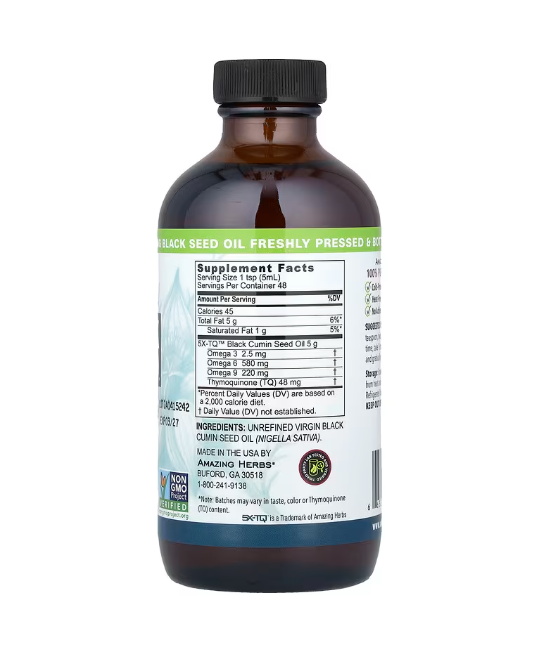 Image 2 of 2
Black Seed Oil
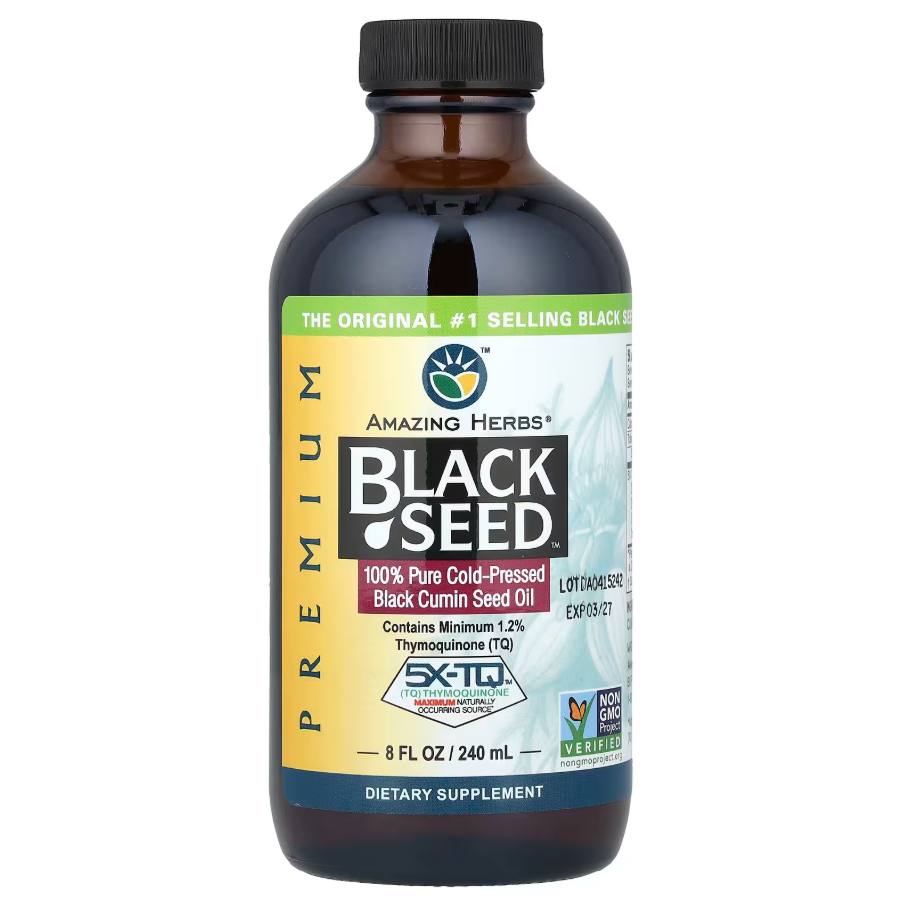
Cold-Pressed Black Seed Oil (Nigella sativa) – Antioxidant & Metabolic Wellness Support
Cold-Pressed Black Seed Oil is made from the seeds of Nigella sativa, a flowering plant traditionally used in Middle Eastern, South Asian, and North African wellness practices. The oil naturally contains fatty acids and bioactive compounds, including thymoquinone, which has been widely studied for antioxidant and anti-inflammatory activity. Human research has investigated black seed and black seed oil for lipid balance, glucose metabolism, inflammation and oxidative stress markers, and selected respiratory or allergic outcomes.
Potential Health Benefits of Black Seed Oil
Supports antioxidant and inflammatory marker research
May assist healthy cholesterol, triglyceride, and glucose marker support
Supports respiratory and immune wellness research in studied populations
Further Information
Traditional & Historical Use
Nigella sativa, commonly known as black seed, black cumin, or kalonji, has a long history of use as both a culinary seed and traditional wellness ingredient across the Middle East, India, North Africa, and parts of Europe. The seeds and oil have traditionally been used for digestive, respiratory, immune, and general wellbeing support. Cold pressing is a common extraction method for black seed oil because it avoids high heat and chemical solvents, helping preserve the natural oil profile.
Antioxidant & Inflammatory Marker Research
A 2023 systematic review and meta-analysis found that Nigella sativa supplementation improved several inflammatory and oxidative stress biomarkers, including reductions in C-reactive protein and malondialdehyde, with some improvements in antioxidant capacity markers. These findings relate to studied adult populations and vary by dose, form, duration, and baseline health status.
Lipid & Cardiometabolic Marker Research
A systematic review and meta-analysis of randomised placebo-controlled trials found that Nigella sativa supplementation reduced total cholesterol, LDL cholesterol, and triglycerides in humans, with variation across seed powder and oil preparations. A broader overview of systematic reviews also found evidence for cardiometabolic benefits, while noting differences in study quality and trial design.
Glucose Metabolism Research
A 2022 systematic review and meta-analysis in people with prediabetes and type 2 diabetes found that Nigella sativa supplementation improved several cardiometabolic markers, including fasting blood glucose, HbA1c, and lipid parameters. These findings are specific to studied metabolic populations and do not replace medical treatment or prescribed diabetes care.
Respiratory & Allergic Wellness Research
Clinical reviews of black seed research describe human studies investigating Nigella sativa in respiratory and allergic conditions, including asthma and allergic rhinitis. The evidence includes small clinical trials and varies by preparation, dose, and population, making it most appropriate to describe black seed oil as a respiratory and immune wellness research ingredient rather than a treatment for respiratory disease.
Safety & Considerations
Black Seed Oil is generally reported as well tolerated in many short-term human studies, although digestive discomfort, nausea, bloating, or allergic reactions may occur in some individuals. Black seed may affect blood glucose, blood pressure, inflammation, and drug-metabolising enzymes, so individuals taking diabetes, blood pressure, blood-thinning, immune, liver, kidney, or other prescription medications should consult a qualified healthcare professional before use. Pregnant or breastfeeding individuals, people preparing for surgery, or those managing liver disease, kidney disease, autoimmune conditions, bleeding disorders, metabolic conditions, or any underlying health condition should seek medical advice before consuming. As with all supplements, use only as directed and seek medical advice before consuming if unsure whether this product is suitable for your individual needs.
References
Review on Clinical Trials of Black Seed (Nigella sativa) and Its Active Constituent Thymoquinone
https://pmc.ncbi.nlm.nih.gov/articles/PMC5633670/Nigella sativa and health outcomes: An overview of systematic reviews and meta-analyses
https://pmc.ncbi.nlm.nih.gov/articles/PMC10086143/A systematic review and meta-analysis of randomized placebo-controlled trials investigating the effects of supplementation with Nigella sativa on blood lipid concentrations
https://pubmed.ncbi.nlm.nih.gov/27512971/Nigella sativa supplementation improves cardiometabolic parameters in adults with prediabetes and type 2 diabetes: A systematic review and meta-analysis
https://pmc.ncbi.nlm.nih.gov/articles/PMC9403837/The effect of Nigella sativa supplementation on inflammatory and oxidative stress markers: A systematic review and meta-analysis
https://pubmed.ncbi.nlm.nih.gov/37036558/Black Cumin (Nigella sativa L.): A Comprehensive Review on Phytochemistry, Health Benefits, Molecular Pharmacology, and Safety
https://pmc.ncbi.nlm.nih.gov/articles/PMC8225153/Nigella sativa safety: an overview
https://pmc.ncbi.nlm.nih.gov/articles/PMC10373399/Screening of Thymoquinone Content in Commercial Nigella sativa Products
https://pmc.ncbi.nlm.nih.gov/articles/PMC9460610/
Cold-Pressed Black Seed Oil (Nigella sativa) – Antioxidant & Metabolic Wellness Support
Cold-Pressed Black Seed Oil is made from the seeds of Nigella sativa, a flowering plant traditionally used in Middle Eastern, South Asian, and North African wellness practices. The oil naturally contains fatty acids and bioactive compounds, including thymoquinone, which has been widely studied for antioxidant and anti-inflammatory activity. Human research has investigated black seed and black seed oil for lipid balance, glucose metabolism, inflammation and oxidative stress markers, and selected respiratory or allergic outcomes.
Potential Health Benefits of Black Seed Oil
Supports antioxidant and inflammatory marker research
May assist healthy cholesterol, triglyceride, and glucose marker support
Supports respiratory and immune wellness research in studied populations
Further Information
Traditional & Historical Use
Nigella sativa, commonly known as black seed, black cumin, or kalonji, has a long history of use as both a culinary seed and traditional wellness ingredient across the Middle East, India, North Africa, and parts of Europe. The seeds and oil have traditionally been used for digestive, respiratory, immune, and general wellbeing support. Cold pressing is a common extraction method for black seed oil because it avoids high heat and chemical solvents, helping preserve the natural oil profile.
Antioxidant & Inflammatory Marker Research
A 2023 systematic review and meta-analysis found that Nigella sativa supplementation improved several inflammatory and oxidative stress biomarkers, including reductions in C-reactive protein and malondialdehyde, with some improvements in antioxidant capacity markers. These findings relate to studied adult populations and vary by dose, form, duration, and baseline health status.
Lipid & Cardiometabolic Marker Research
A systematic review and meta-analysis of randomised placebo-controlled trials found that Nigella sativa supplementation reduced total cholesterol, LDL cholesterol, and triglycerides in humans, with variation across seed powder and oil preparations. A broader overview of systematic reviews also found evidence for cardiometabolic benefits, while noting differences in study quality and trial design.
Glucose Metabolism Research
A 2022 systematic review and meta-analysis in people with prediabetes and type 2 diabetes found that Nigella sativa supplementation improved several cardiometabolic markers, including fasting blood glucose, HbA1c, and lipid parameters. These findings are specific to studied metabolic populations and do not replace medical treatment or prescribed diabetes care.
Respiratory & Allergic Wellness Research
Clinical reviews of black seed research describe human studies investigating Nigella sativa in respiratory and allergic conditions, including asthma and allergic rhinitis. The evidence includes small clinical trials and varies by preparation, dose, and population, making it most appropriate to describe black seed oil as a respiratory and immune wellness research ingredient rather than a treatment for respiratory disease.
Safety & Considerations
Black Seed Oil is generally reported as well tolerated in many short-term human studies, although digestive discomfort, nausea, bloating, or allergic reactions may occur in some individuals. Black seed may affect blood glucose, blood pressure, inflammation, and drug-metabolising enzymes, so individuals taking diabetes, blood pressure, blood-thinning, immune, liver, kidney, or other prescription medications should consult a qualified healthcare professional before use. Pregnant or breastfeeding individuals, people preparing for surgery, or those managing liver disease, kidney disease, autoimmune conditions, bleeding disorders, metabolic conditions, or any underlying health condition should seek medical advice before consuming. As with all supplements, use only as directed and seek medical advice before consuming if unsure whether this product is suitable for your individual needs.
References
Review on Clinical Trials of Black Seed (Nigella sativa) and Its Active Constituent Thymoquinone
https://pmc.ncbi.nlm.nih.gov/articles/PMC5633670/Nigella sativa and health outcomes: An overview of systematic reviews and meta-analyses
https://pmc.ncbi.nlm.nih.gov/articles/PMC10086143/A systematic review and meta-analysis of randomized placebo-controlled trials investigating the effects of supplementation with Nigella sativa on blood lipid concentrations
https://pubmed.ncbi.nlm.nih.gov/27512971/Nigella sativa supplementation improves cardiometabolic parameters in adults with prediabetes and type 2 diabetes: A systematic review and meta-analysis
https://pmc.ncbi.nlm.nih.gov/articles/PMC9403837/The effect of Nigella sativa supplementation on inflammatory and oxidative stress markers: A systematic review and meta-analysis
https://pubmed.ncbi.nlm.nih.gov/37036558/Black Cumin (Nigella sativa L.): A Comprehensive Review on Phytochemistry, Health Benefits, Molecular Pharmacology, and Safety
https://pmc.ncbi.nlm.nih.gov/articles/PMC8225153/Nigella sativa safety: an overview
https://pmc.ncbi.nlm.nih.gov/articles/PMC10373399/Screening of Thymoquinone Content in Commercial Nigella sativa Products
https://pmc.ncbi.nlm.nih.gov/articles/PMC9460610/