

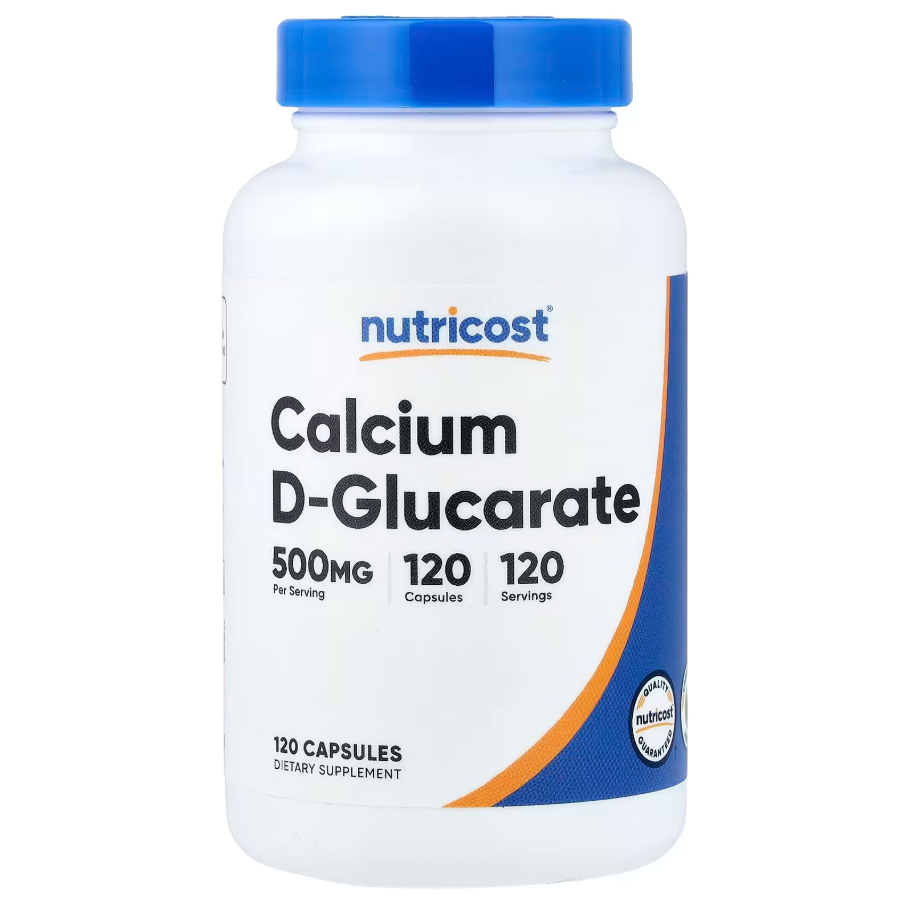
 Image 1 of 2
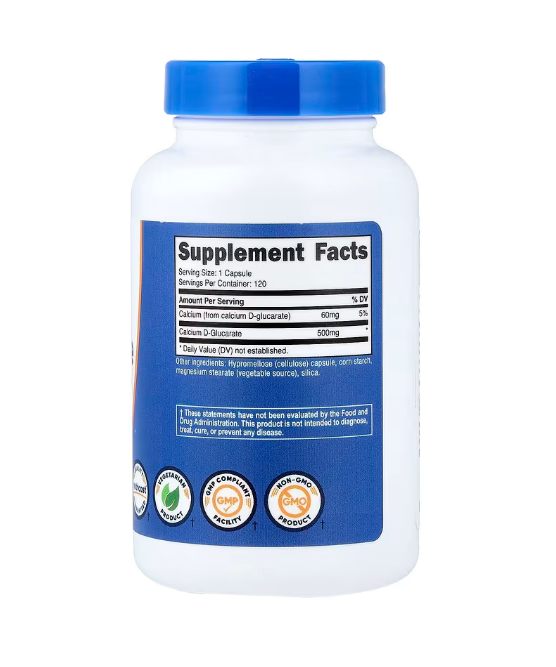 Image 2 of 2
Calcium D-Glucarate
Calcium D-Glucarate – Detoxification Pathway & Cellular Wellness Support
Calcium D-Glucarate is the calcium salt of D-glucaric acid, a naturally occurring compound produced in small amounts by the body and also found in fruits and vegetables such as apples, oranges, grapefruit, broccoli, cabbage, and Brussels sprouts. In supplement form, Calcium D-Glucarate is mainly studied for its relationship with beta-glucuronidase, an enzyme involved in glucuronidation pathways. Human clinical evidence is limited, so its strongest evidence-based use is as a detoxification pathway and cellular wellness ingredient, rather than a hormone-balancing or disease-prevention supplement.
Potential Health Benefits of Calcium D-Glucarate
Supports glucuronidation and beta-glucuronidase pathway research
Provides D-glucaric acid, a compound naturally found in fruits and vegetables
Supports cellular wellness and detoxification pathway research
Further Information
Traditional & Historical Use
Calcium D-Glucarate is not a traditional herbal medicine. It is a modern supplemental form of D-glucaric acid, a naturally occurring compound found in certain plant foods and produced in small amounts by humans and other mammals. Modern research has focused on glucaric acid and glucarate salts for beta-glucuronidase activity, glucuronidation pathways, cellular metabolism, and preclinical detoxification and chemoprevention research.
Glucuronidation & Beta-Glucuronidase Research
Calcium D-Glucarate is studied for its relationship with beta-glucuronidase, an enzyme that can deconjugate glucuronides involved in normal detoxification pathways. A review describes Calcium D-Glucarate as a source of D-glucaric acid and notes that oral supplementation has been shown to inhibit beta-glucuronidase. Much of this evidence is mechanistic or preclinical rather than based on large human clinical trials.
Cellular Wellness Research
A review on Calcium D-Glucarate describes its potential role in cellular and chemoprevention research, particularly through beta-glucuronidase inhibition and glucuronidation-related mechanisms. This area of research is mainly experimental and should not be interpreted as evidence that Calcium D-Glucarate prevents or treats cancer or any medical condition.
Liver Detoxification Pathway Research
A 2023 mechanistic study investigated D-glucaric acid in relation to liver detoxification pathways using computational and molecular modelling methods. The study proposed effects on beta-glucuronidase, oxidative stress, and glucuronide deconjugation pathways, but it was not a human clinical trial. This research is useful for understanding potential biological mechanisms, while human supplementation evidence remains limited.
Safety & Considerations
Human safety data for Calcium D-Glucarate supplementation is limited. Because it may influence glucuronidation and detoxification-related pathways, it may interact with medications or hormones that rely on liver metabolism. Individuals who are pregnant, breastfeeding, taking prescription medications, using hormone therapies, managing liver disease, kidney disease, cancer, hormone-sensitive conditions, or any underlying health condition should consult a qualified healthcare professional before use. Calcium D-Glucarate should not be used as a replacement for medical treatment or prescribed medication. As with all supplements, use only as directed and seek medical advice before consuming if unsure whether this product is suitable for your individual needs.
References
Calcium-D-glucarate
https://pubmed.ncbi.nlm.nih.gov/12197785/Mechanistic Understanding of D-Glucaric Acid to Support Liver Detoxification
https://pmc.ncbi.nlm.nih.gov/articles/PMC9921405/Mechanistic Understanding of D-Glucaric Acid to Support Liver Detoxification — PubMed Record
https://pubmed.ncbi.nlm.nih.gov/36771439/Effect of calcium glucarate on beta-glucuronidase activity and glucaric acid content of certain vegetables and fruits
https://pubmed.ncbi.nlm.nih.gov/2346674/A comparative study of antioxidative activity of calcium-D-glucarate, sodium D-gluconate and D-glucono-1,4-lactone
https://pubmed.ncbi.nlm.nih.gov/20873960/
Calcium D-Glucarate – Detoxification Pathway & Cellular Wellness Support
Calcium D-Glucarate is the calcium salt of D-glucaric acid, a naturally occurring compound produced in small amounts by the body and also found in fruits and vegetables such as apples, oranges, grapefruit, broccoli, cabbage, and Brussels sprouts. In supplement form, Calcium D-Glucarate is mainly studied for its relationship with beta-glucuronidase, an enzyme involved in glucuronidation pathways. Human clinical evidence is limited, so its strongest evidence-based use is as a detoxification pathway and cellular wellness ingredient, rather than a hormone-balancing or disease-prevention supplement.
Potential Health Benefits of Calcium D-Glucarate
Supports glucuronidation and beta-glucuronidase pathway research
Provides D-glucaric acid, a compound naturally found in fruits and vegetables
Supports cellular wellness and detoxification pathway research
Further Information
Traditional & Historical Use
Calcium D-Glucarate is not a traditional herbal medicine. It is a modern supplemental form of D-glucaric acid, a naturally occurring compound found in certain plant foods and produced in small amounts by humans and other mammals. Modern research has focused on glucaric acid and glucarate salts for beta-glucuronidase activity, glucuronidation pathways, cellular metabolism, and preclinical detoxification and chemoprevention research.
Glucuronidation & Beta-Glucuronidase Research
Calcium D-Glucarate is studied for its relationship with beta-glucuronidase, an enzyme that can deconjugate glucuronides involved in normal detoxification pathways. A review describes Calcium D-Glucarate as a source of D-glucaric acid and notes that oral supplementation has been shown to inhibit beta-glucuronidase. Much of this evidence is mechanistic or preclinical rather than based on large human clinical trials.
Cellular Wellness Research
A review on Calcium D-Glucarate describes its potential role in cellular and chemoprevention research, particularly through beta-glucuronidase inhibition and glucuronidation-related mechanisms. This area of research is mainly experimental and should not be interpreted as evidence that Calcium D-Glucarate prevents or treats cancer or any medical condition.
Liver Detoxification Pathway Research
A 2023 mechanistic study investigated D-glucaric acid in relation to liver detoxification pathways using computational and molecular modelling methods. The study proposed effects on beta-glucuronidase, oxidative stress, and glucuronide deconjugation pathways, but it was not a human clinical trial. This research is useful for understanding potential biological mechanisms, while human supplementation evidence remains limited.
Safety & Considerations
Human safety data for Calcium D-Glucarate supplementation is limited. Because it may influence glucuronidation and detoxification-related pathways, it may interact with medications or hormones that rely on liver metabolism. Individuals who are pregnant, breastfeeding, taking prescription medications, using hormone therapies, managing liver disease, kidney disease, cancer, hormone-sensitive conditions, or any underlying health condition should consult a qualified healthcare professional before use. Calcium D-Glucarate should not be used as a replacement for medical treatment or prescribed medication. As with all supplements, use only as directed and seek medical advice before consuming if unsure whether this product is suitable for your individual needs.
References
Calcium-D-glucarate
https://pubmed.ncbi.nlm.nih.gov/12197785/Mechanistic Understanding of D-Glucaric Acid to Support Liver Detoxification
https://pmc.ncbi.nlm.nih.gov/articles/PMC9921405/Mechanistic Understanding of D-Glucaric Acid to Support Liver Detoxification — PubMed Record
https://pubmed.ncbi.nlm.nih.gov/36771439/Effect of calcium glucarate on beta-glucuronidase activity and glucaric acid content of certain vegetables and fruits
https://pubmed.ncbi.nlm.nih.gov/2346674/A comparative study of antioxidative activity of calcium-D-glucarate, sodium D-gluconate and D-glucono-1,4-lactone
https://pubmed.ncbi.nlm.nih.gov/20873960/