

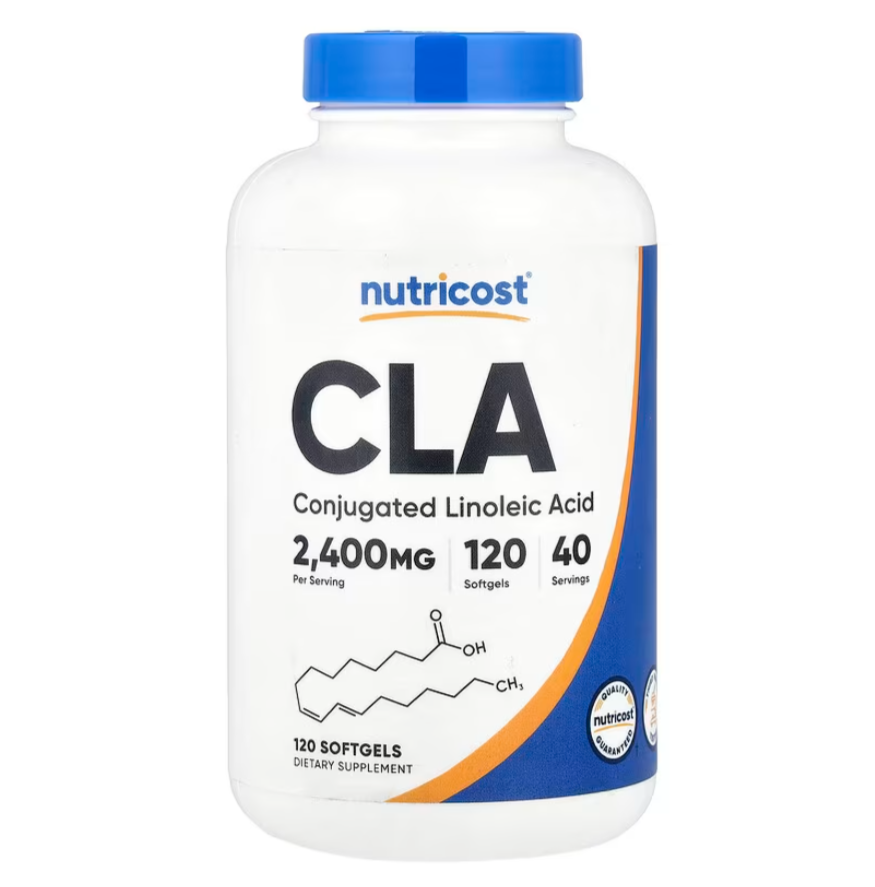
 Image 1 of 2
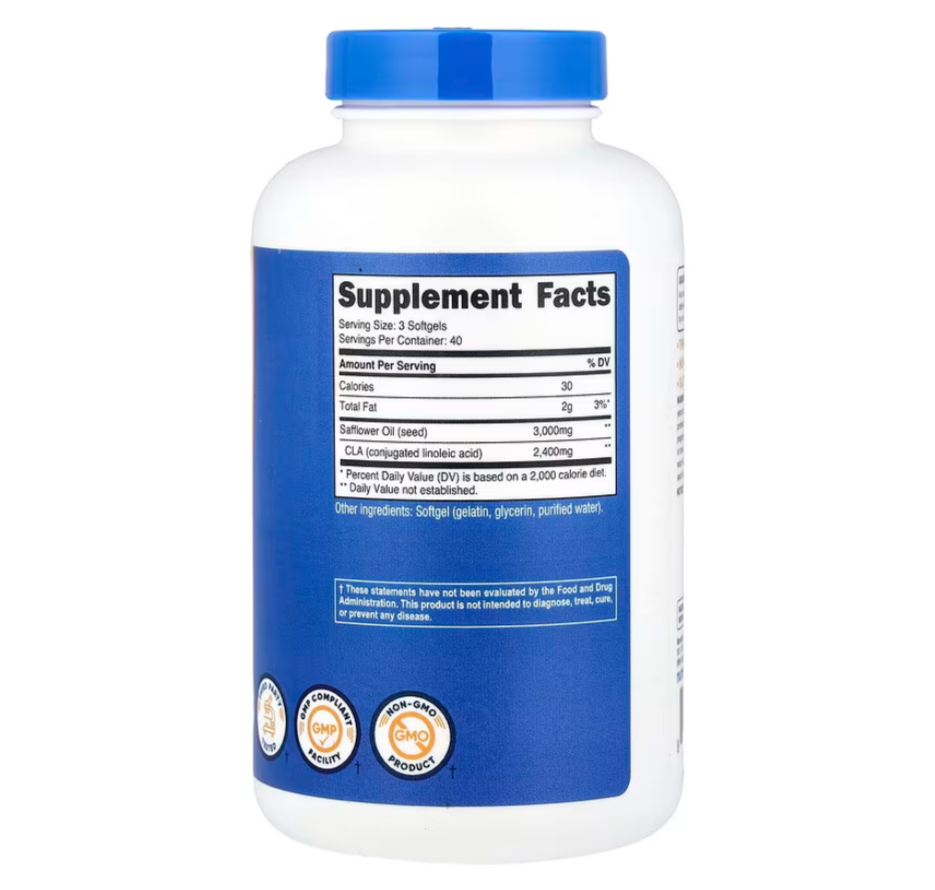 Image 2 of 2
CLA
CLA (Conjugated Linoleic Acid) – Body Composition & Metabolic Wellness Support
CLA, short for Conjugated Linoleic Acid, is a group of naturally occurring fatty acid isomers found in foods such as dairy products and meat from ruminant animals. In supplement form, CLA is commonly used for body composition and weight management support. Human research has investigated CLA for body weight, fat mass, lean mass, lipid markers, glycaemic markers, and inflammation; however, results are mixed, with some meta-analyses showing small changes in body composition and others finding no clinically meaningful long-term effect.
Potential Health Benefits of CLA
May support small improvements in body composition markers
Supports fat mass and lean mass research in adult populations
May assist selected metabolic and lipid marker research
Further Information
Traditional & Historical Use
CLA is not a traditional herbal ingredient. It is a naturally occurring fatty acid found in the human diet through foods such as milk, cheese, butter, beef, and lamb. Modern CLA supplementation developed from research into different CLA isomers, particularly cis-9, trans-11 and trans-10, cis-12, and their possible effects on body composition, lipid metabolism, inflammation, and metabolic health markers.
Body Composition Research
A 2024 systematic review and meta-analysis of randomised controlled trials found that CLA supplementation produced small improvements in body weight, BMI, waist circumference, fat mass, body fat percentage, and fat-free mass in adults; however, high-quality subgroup analysis did not show a body fat-lowering effect. An earlier 2012 systematic review concluded that long-term CLA intake did not convincingly produce clinically relevant changes in body composition. Together, these findings show that CLA’s effects on body composition appear modest and inconsistent across studies.
Fat Mass & Lean Mass Research
A 1-year randomised study in healthy overweight adults found that CLA supplementation reduced body fat mass and increased lean body mass compared with placebo. Other human studies have reported mixed outcomes, with some finding changes in body composition and others showing no significant effect. These differences may relate to study duration, dose, participant health status, diet, exercise habits, and the specific CLA isomer blend used.
Lipid & Metabolic Marker Research
Human studies and meta-analyses have investigated CLA for lipid profile, glycaemic control, inflammation, and cardiometabolic markers. A systematic review of CLA and lipid profile found that CLA supplements significantly reduced LDL cholesterol but did not consistently improve other lipid markers, while a 2023 meta-analysis reported effects on some glycaemic markers in studied populations. Evidence across metabolic outcomes remains variable, so CLA is best understood as a body composition and metabolic marker research ingredient rather than a direct cholesterol, glucose, or weight-loss product.
Safety & Considerations
CLA is generally used in supplement form for short- to medium-term studies, but individual responses can vary. Some studies report gastrointestinal discomfort, and research has produced mixed findings for lipids, insulin sensitivity, oxidative stress, and inflammatory markers. Individuals who are pregnant, breastfeeding, taking prescription medications, managing diabetes, insulin resistance, liver disease, cardiovascular conditions, high cholesterol, inflammatory conditions, or any underlying health condition should consult a qualified healthcare professional before use. As with all supplements, use only as directed and seek medical advice before consuming if unsure whether this product is suitable for your individual needs.
References
The effects of conjugated linoleic acid supplementation on anthropometric and body composition markers in adults: A systematic review and meta-analysis
https://pubmed.ncbi.nlm.nih.gov/37671495/The efficacy of long-term conjugated linoleic acid (CLA) supplementation on body composition in overweight and obese individuals: A systematic review and meta-analysis of randomized clinical trials
https://pubmed.ncbi.nlm.nih.gov/21990002/Conjugated linoleic acid supplementation for 1 y reduces body fat mass in healthy overweight humans
https://pubmed.ncbi.nlm.nih.gov/15159244/Conjugated linoleic acid supplementation for 8 weeks does not affect body composition, lipid profile, or safety biomarkers in overweight, hyperlipidemic men
https://pubmed.ncbi.nlm.nih.gov/21593349/Association of foods enriched in conjugated linoleic acid (CLA) and CLA supplements with lipid profile in human studies: A systematic review and meta-analysis
https://pmc.ncbi.nlm.nih.gov/articles/PMC10271550/The effects of conjugated linoleic acid supplementation on glycaemic control: A systematic review and meta-analysis
https://pmc.ncbi.nlm.nih.gov/articles/PMC10552395/
CLA (Conjugated Linoleic Acid) – Body Composition & Metabolic Wellness Support
CLA, short for Conjugated Linoleic Acid, is a group of naturally occurring fatty acid isomers found in foods such as dairy products and meat from ruminant animals. In supplement form, CLA is commonly used for body composition and weight management support. Human research has investigated CLA for body weight, fat mass, lean mass, lipid markers, glycaemic markers, and inflammation; however, results are mixed, with some meta-analyses showing small changes in body composition and others finding no clinically meaningful long-term effect.
Potential Health Benefits of CLA
May support small improvements in body composition markers
Supports fat mass and lean mass research in adult populations
May assist selected metabolic and lipid marker research
Further Information
Traditional & Historical Use
CLA is not a traditional herbal ingredient. It is a naturally occurring fatty acid found in the human diet through foods such as milk, cheese, butter, beef, and lamb. Modern CLA supplementation developed from research into different CLA isomers, particularly cis-9, trans-11 and trans-10, cis-12, and their possible effects on body composition, lipid metabolism, inflammation, and metabolic health markers.
Body Composition Research
A 2024 systematic review and meta-analysis of randomised controlled trials found that CLA supplementation produced small improvements in body weight, BMI, waist circumference, fat mass, body fat percentage, and fat-free mass in adults; however, high-quality subgroup analysis did not show a body fat-lowering effect. An earlier 2012 systematic review concluded that long-term CLA intake did not convincingly produce clinically relevant changes in body composition. Together, these findings show that CLA’s effects on body composition appear modest and inconsistent across studies.
Fat Mass & Lean Mass Research
A 1-year randomised study in healthy overweight adults found that CLA supplementation reduced body fat mass and increased lean body mass compared with placebo. Other human studies have reported mixed outcomes, with some finding changes in body composition and others showing no significant effect. These differences may relate to study duration, dose, participant health status, diet, exercise habits, and the specific CLA isomer blend used.
Lipid & Metabolic Marker Research
Human studies and meta-analyses have investigated CLA for lipid profile, glycaemic control, inflammation, and cardiometabolic markers. A systematic review of CLA and lipid profile found that CLA supplements significantly reduced LDL cholesterol but did not consistently improve other lipid markers, while a 2023 meta-analysis reported effects on some glycaemic markers in studied populations. Evidence across metabolic outcomes remains variable, so CLA is best understood as a body composition and metabolic marker research ingredient rather than a direct cholesterol, glucose, or weight-loss product.
Safety & Considerations
CLA is generally used in supplement form for short- to medium-term studies, but individual responses can vary. Some studies report gastrointestinal discomfort, and research has produced mixed findings for lipids, insulin sensitivity, oxidative stress, and inflammatory markers. Individuals who are pregnant, breastfeeding, taking prescription medications, managing diabetes, insulin resistance, liver disease, cardiovascular conditions, high cholesterol, inflammatory conditions, or any underlying health condition should consult a qualified healthcare professional before use. As with all supplements, use only as directed and seek medical advice before consuming if unsure whether this product is suitable for your individual needs.
References
The effects of conjugated linoleic acid supplementation on anthropometric and body composition markers in adults: A systematic review and meta-analysis
https://pubmed.ncbi.nlm.nih.gov/37671495/The efficacy of long-term conjugated linoleic acid (CLA) supplementation on body composition in overweight and obese individuals: A systematic review and meta-analysis of randomized clinical trials
https://pubmed.ncbi.nlm.nih.gov/21990002/Conjugated linoleic acid supplementation for 1 y reduces body fat mass in healthy overweight humans
https://pubmed.ncbi.nlm.nih.gov/15159244/Conjugated linoleic acid supplementation for 8 weeks does not affect body composition, lipid profile, or safety biomarkers in overweight, hyperlipidemic men
https://pubmed.ncbi.nlm.nih.gov/21593349/Association of foods enriched in conjugated linoleic acid (CLA) and CLA supplements with lipid profile in human studies: A systematic review and meta-analysis
https://pmc.ncbi.nlm.nih.gov/articles/PMC10271550/The effects of conjugated linoleic acid supplementation on glycaemic control: A systematic review and meta-analysis
https://pmc.ncbi.nlm.nih.gov/articles/PMC10552395/