

 Image 1 of 2
 Image 2 of 2
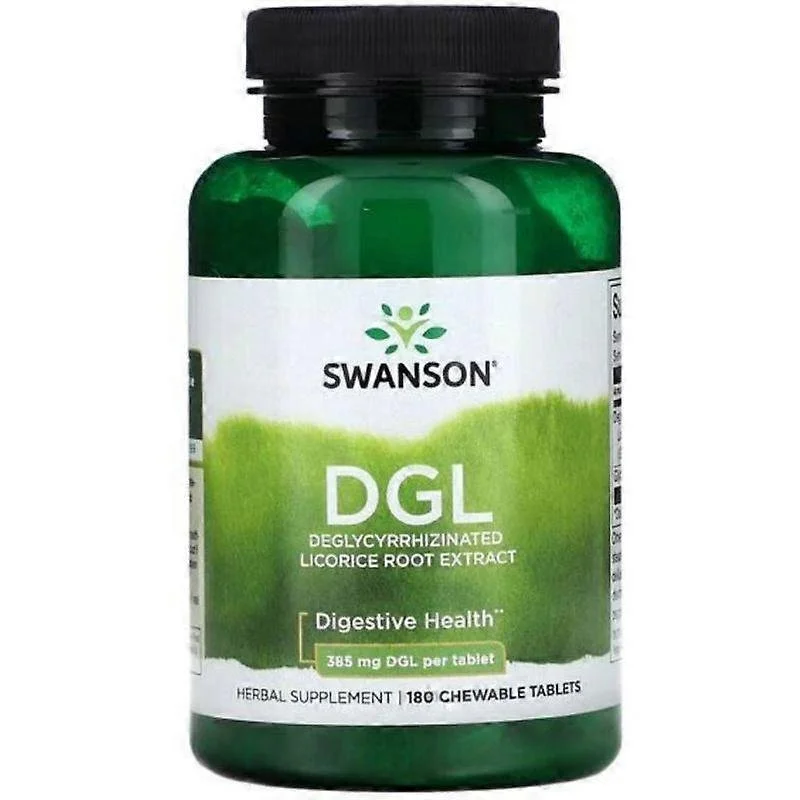
DGL
DGL (Deglycyrrhizinated Licorice) – Digestive Comfort & Gastric Wellness Support
DGL, short for deglycyrrhizinated licorice, is a specially processed form of licorice root with most of the glycyrrhizin removed. Glycyrrhizin is the compound in standard licorice associated with blood pressure, potassium, and fluid-balance concerns. DGL is commonly used in wellness supplements for upper digestive comfort, gastric lining support, and functional dyspepsia research, with human evidence focused mainly on licorice extracts, DGL gastric ulcer studies, and digestive symptom outcomes.
Potential Health Benefits of DGL
Supports upper digestive comfort and gastric wellness
May assist functional dyspepsia symptom support
Supports gastric mucosal health research
Further Information
Traditional & Historical Use
Licorice root, botanically known as Glycyrrhiza glabra, has a long history of use in traditional Chinese, Ayurvedic, Middle Eastern, and European herbal practices. It has traditionally been used for digestive, throat, and general wellness support. DGL is a modern form of licorice developed to reduce glycyrrhizin content while retaining other licorice root compounds studied for digestive wellness.
Functional Dyspepsia Research
A randomised, double-blind, placebo-controlled study investigated a flavonoid-rich Glycyrrhiza glabra extract in people with functional dyspepsia. Participants received 75 mg twice daily for 30 days, and the study reported improvements in symptom severity and global assessment compared with placebo. This research relates to upper digestive symptoms such as fullness, discomfort, heartburn, regurgitation, nausea, and vomiting in a functional dyspepsia population.
Gastric Mucosal Support Research
Clinical studies have investigated deglycyrrhizinated licorice in gastric ulcer research, with mixed findings. A double-blind gastric ulcer trial found no demonstrated healing effect from the DGL-containing extract compared with placebo, while another clinical trial evaluated deglycyrrhizinated liquorice in gastric ulcer patients. These studies are older and clinically specific, so DGL is best described as a digestive and gastric wellness ingredient rather than an ulcer-healing product.
H. pylori & Digestive Wellness Research
A randomised, double-blind, placebo-controlled study evaluated a Glycyrrhiza glabra extract in people with Helicobacter pylori and reported improved H. pylori-related outcomes compared with placebo. This study used licorice extract rather than standard DGL, so it is relevant to licorice digestive research but should not be used to claim that DGL treats or eradicates H. pylori. Medical testing and appropriate care are important for suspected H. pylori infection.
Safety & Considerations
DGL is designed to contain substantially reduced glycyrrhizin compared with standard licorice root, which may lower the risk of glycyrrhizin-related side effects such as elevated blood pressure, low potassium, and fluid retention. However, product quality and glycyrrhizin removal can vary. Individuals who are pregnant, breastfeeding, taking prescription medications, managing high blood pressure, kidney disease, heart conditions, low potassium, digestive disease, or symptoms such as persistent reflux, abdominal pain, vomiting, black stools, or unexplained weight loss should consult a qualified healthcare professional before use. As with all supplements, use only as directed and seek medical advice before consuming if unsure whether this product is suitable for your individual needs.
References
An Extract of Glycyrrhiza glabra (GutGard) Alleviates Symptoms of Functional Dyspepsia: A Randomized, Double-Blind, Placebo-Controlled Study
https://pmc.ncbi.nlm.nih.gov/articles/PMC3123991/Effect of GutGard in the Management of Helicobacter pylori: A Randomized Double Blind Placebo Controlled Study
https://pmc.ncbi.nlm.nih.gov/articles/PMC3623263/Double-blind trial of deglycyrrhizinated liquorice in gastric ulcer
https://pubmed.ncbi.nlm.nih.gov/4584640/Clinical trial of deglycyrrhizinised liquorice in gastric ulcer
https://pmc.ncbi.nlm.nih.gov/articles/PMC1412184/A trial of deglycyrrhizinated liquorice in the treatment of duodenal ulcer
https://pmc.ncbi.nlm.nih.gov/articles/PMC1411661/Glycyrrhiza glabra (Licorice)
https://pmc.ncbi.nlm.nih.gov/articles/PMC7348626/Licorice Root: Usefulness and Safety — NCCIH
https://www.nccih.nih.gov/health/licorice-root/
DGL (Deglycyrrhizinated Licorice) – Digestive Comfort & Gastric Wellness Support
DGL, short for deglycyrrhizinated licorice, is a specially processed form of licorice root with most of the glycyrrhizin removed. Glycyrrhizin is the compound in standard licorice associated with blood pressure, potassium, and fluid-balance concerns. DGL is commonly used in wellness supplements for upper digestive comfort, gastric lining support, and functional dyspepsia research, with human evidence focused mainly on licorice extracts, DGL gastric ulcer studies, and digestive symptom outcomes.
Potential Health Benefits of DGL
Supports upper digestive comfort and gastric wellness
May assist functional dyspepsia symptom support
Supports gastric mucosal health research
Further Information
Traditional & Historical Use
Licorice root, botanically known as Glycyrrhiza glabra, has a long history of use in traditional Chinese, Ayurvedic, Middle Eastern, and European herbal practices. It has traditionally been used for digestive, throat, and general wellness support. DGL is a modern form of licorice developed to reduce glycyrrhizin content while retaining other licorice root compounds studied for digestive wellness.
Functional Dyspepsia Research
A randomised, double-blind, placebo-controlled study investigated a flavonoid-rich Glycyrrhiza glabra extract in people with functional dyspepsia. Participants received 75 mg twice daily for 30 days, and the study reported improvements in symptom severity and global assessment compared with placebo. This research relates to upper digestive symptoms such as fullness, discomfort, heartburn, regurgitation, nausea, and vomiting in a functional dyspepsia population.
Gastric Mucosal Support Research
Clinical studies have investigated deglycyrrhizinated licorice in gastric ulcer research, with mixed findings. A double-blind gastric ulcer trial found no demonstrated healing effect from the DGL-containing extract compared with placebo, while another clinical trial evaluated deglycyrrhizinated liquorice in gastric ulcer patients. These studies are older and clinically specific, so DGL is best described as a digestive and gastric wellness ingredient rather than an ulcer-healing product.
H. pylori & Digestive Wellness Research
A randomised, double-blind, placebo-controlled study evaluated a Glycyrrhiza glabra extract in people with Helicobacter pylori and reported improved H. pylori-related outcomes compared with placebo. This study used licorice extract rather than standard DGL, so it is relevant to licorice digestive research but should not be used to claim that DGL treats or eradicates H. pylori. Medical testing and appropriate care are important for suspected H. pylori infection.
Safety & Considerations
DGL is designed to contain substantially reduced glycyrrhizin compared with standard licorice root, which may lower the risk of glycyrrhizin-related side effects such as elevated blood pressure, low potassium, and fluid retention. However, product quality and glycyrrhizin removal can vary. Individuals who are pregnant, breastfeeding, taking prescription medications, managing high blood pressure, kidney disease, heart conditions, low potassium, digestive disease, or symptoms such as persistent reflux, abdominal pain, vomiting, black stools, or unexplained weight loss should consult a qualified healthcare professional before use. As with all supplements, use only as directed and seek medical advice before consuming if unsure whether this product is suitable for your individual needs.
References
An Extract of Glycyrrhiza glabra (GutGard) Alleviates Symptoms of Functional Dyspepsia: A Randomized, Double-Blind, Placebo-Controlled Study
https://pmc.ncbi.nlm.nih.gov/articles/PMC3123991/Effect of GutGard in the Management of Helicobacter pylori: A Randomized Double Blind Placebo Controlled Study
https://pmc.ncbi.nlm.nih.gov/articles/PMC3623263/Double-blind trial of deglycyrrhizinated liquorice in gastric ulcer
https://pubmed.ncbi.nlm.nih.gov/4584640/Clinical trial of deglycyrrhizinised liquorice in gastric ulcer
https://pmc.ncbi.nlm.nih.gov/articles/PMC1412184/A trial of deglycyrrhizinated liquorice in the treatment of duodenal ulcer
https://pmc.ncbi.nlm.nih.gov/articles/PMC1411661/Glycyrrhiza glabra (Licorice)
https://pmc.ncbi.nlm.nih.gov/articles/PMC7348626/Licorice Root: Usefulness and Safety — NCCIH
https://www.nccih.nih.gov/health/licorice-root/