

 Image 1 of 2
 Image 2 of 2
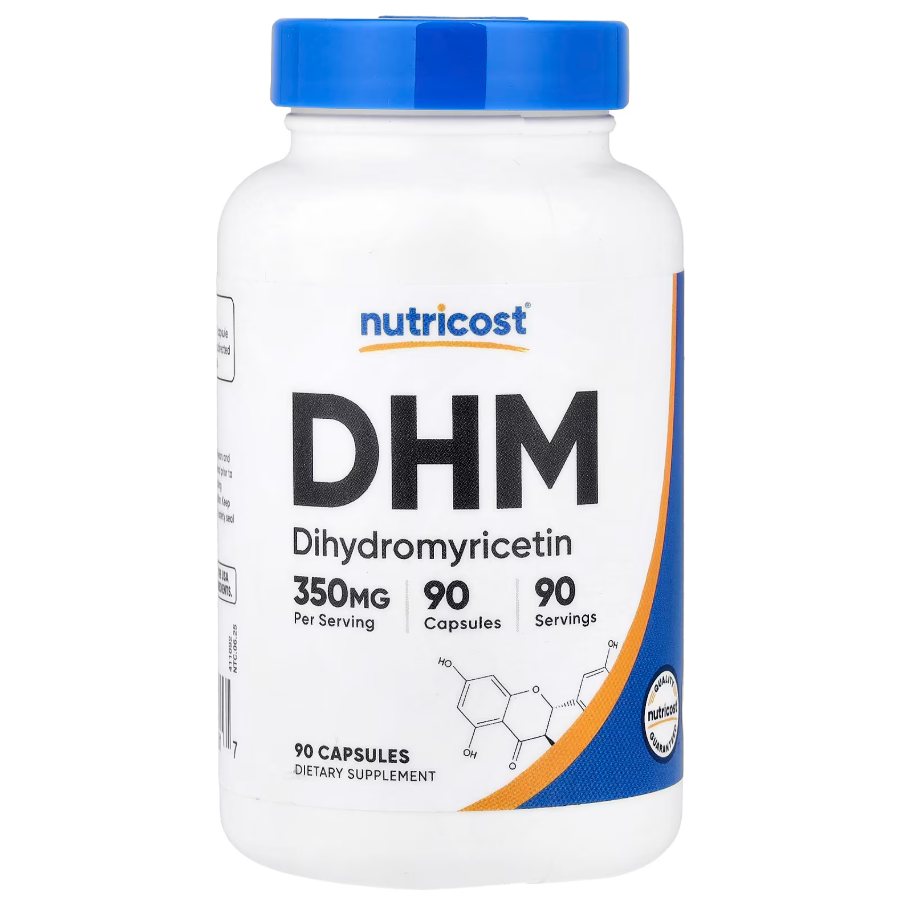
DHM
DHM (Dihydromyricetin) – Alcohol Metabolism & Antioxidant Wellness Support
DHM, short for dihydromyricetin, is a naturally occurring flavonoid found in plants such as Hovenia dulcis, also known as the Japanese raisin tree. It is commonly used in wellness supplements for alcohol-related recovery, antioxidant support, and liver wellness, although the strongest direct DHM research is still largely preclinical. Human research is more limited and includes studies on Hovenia dulcis extract rather than isolated DHM alone, so DHM is best described as a plant-derived flavonoid with developing evidence in alcohol-related wellness and oxidative stress research.
Potential Health Benefits of DHM
Supports alcohol-related wellness research
Provides antioxidant and oxidative stress support
Supports liver wellness research, with strongest evidence currently preclinical
Further Information
Traditional & Historical Use
Hovenia dulcis has a long history of use in East Asian herbal traditions, particularly in China, Korea, and Japan, where the fruit and peduncle have been used for alcohol-related discomfort, recovery, and general liver wellness. Modern research has identified DHM as one of the key flavonoids naturally present in Hovenia dulcis, alongside other plant compounds being studied for alcohol metabolism, oxidative stress, inflammation, and liver-related pathways.
Alcohol-Related Wellness Research
DHM has been widely studied in animal and preclinical models for alcohol-related effects, including alcohol intoxication, withdrawal-related behaviours, and alcohol-associated liver stress. However, a 2020 study investigating DHM and ethanol metabolism found that the proposed positive effect of DHM during alcohol intoxication was not proven and that DHM did not change alcohol metabolism in the study model. Human evidence for isolated DHM remains limited, while a human study of standardised Hovenia dulcis extract reported favourable effects on alcohol hangover symptoms and inflammatory response markers.
Liver Wellness Research
Preclinical research has investigated DHM for liver-related pathways, including lipid metabolism, oxidative stress, mitochondrial function, and alcohol-induced liver stress. A 2020 study reported that DHM protected the liver in animal models through changes in lipid metabolism, while newer research continues to examine DHM in ethanol-induced liver injury models. These findings are scientifically relevant but are not the same as proven liver benefits in healthy human supplement users.
Antioxidant & Oxidative Stress Research
DHM has been studied for antioxidant-related activity, including effects on reactive oxygen and nitrogen species in liver cell and animal models. The 2020 ethanol metabolism study found DHM reduced ROS/RNS levels in hepatocytes, even though it did not improve alcohol metabolism outcomes. This supports DHM’s relevance in oxidative stress research while keeping claims focused on antioxidant and cellular wellness rather than disease treatment.
Safety & Considerations
Human safety data for isolated DHM supplementation remains limited. LiverTox notes that DHM is available as an over-the-counter supplement and that clinical evidence remains limited, with no clear established link to clinically apparent liver injury in the available summary. Individuals who are pregnant, breastfeeding, taking prescription medications, managing liver disease, alcohol dependence, neurological conditions, metabolic conditions, kidney disease, or any underlying health condition should consult a qualified healthcare professional before use. DHM should not be used to make alcohol consumption safer or as a substitute for medical care or professional support for alcohol-related concerns. As with all supplements, use only as directed and seek medical advice before consuming if unsure whether this product is suitable for your individual needs.
References
Dihydromyricetin — LiverTox, NCBI Bookshelf
https://www.ncbi.nlm.nih.gov/books/NBK594407/Does Dihydromyricetin Impact on Alcohol Metabolism?
https://pubmed.ncbi.nlm.nih.gov/33656905/Does Dihydromyricetin Impact on Alcohol Metabolism? — PMC full text
https://pmc.ncbi.nlm.nih.gov/articles/PMC8603706/A standardized extract of the fruit of Hovenia dulcis alleviated alcohol-induced hangover in healthy subjects with heterozygous ALDH2
https://pubmed.ncbi.nlm.nih.gov/28750942/Dihydromyricetin as a novel anti-alcohol intoxication medication
https://pubmed.ncbi.nlm.nih.gov/22219299/Dihydromyricetin as a novel anti-alcohol intoxication medication — PMC full text
https://pmc.ncbi.nlm.nih.gov/articles/PMC3292407/Dihydromyricetin Protects the Liver via Changes in Lipid Metabolism and Enhanced Ethanol Metabolism
https://pubmed.ncbi.nlm.nih.gov/32267550/Hovenia dulcis: a Chinese medicine that plays an essential role in treating alcohol-associated liver disease
https://pubmed.ncbi.nlm.nih.gov/38650630/
DHM (Dihydromyricetin) – Alcohol Metabolism & Antioxidant Wellness Support
DHM, short for dihydromyricetin, is a naturally occurring flavonoid found in plants such as Hovenia dulcis, also known as the Japanese raisin tree. It is commonly used in wellness supplements for alcohol-related recovery, antioxidant support, and liver wellness, although the strongest direct DHM research is still largely preclinical. Human research is more limited and includes studies on Hovenia dulcis extract rather than isolated DHM alone, so DHM is best described as a plant-derived flavonoid with developing evidence in alcohol-related wellness and oxidative stress research.
Potential Health Benefits of DHM
Supports alcohol-related wellness research
Provides antioxidant and oxidative stress support
Supports liver wellness research, with strongest evidence currently preclinical
Further Information
Traditional & Historical Use
Hovenia dulcis has a long history of use in East Asian herbal traditions, particularly in China, Korea, and Japan, where the fruit and peduncle have been used for alcohol-related discomfort, recovery, and general liver wellness. Modern research has identified DHM as one of the key flavonoids naturally present in Hovenia dulcis, alongside other plant compounds being studied for alcohol metabolism, oxidative stress, inflammation, and liver-related pathways.
Alcohol-Related Wellness Research
DHM has been widely studied in animal and preclinical models for alcohol-related effects, including alcohol intoxication, withdrawal-related behaviours, and alcohol-associated liver stress. However, a 2020 study investigating DHM and ethanol metabolism found that the proposed positive effect of DHM during alcohol intoxication was not proven and that DHM did not change alcohol metabolism in the study model. Human evidence for isolated DHM remains limited, while a human study of standardised Hovenia dulcis extract reported favourable effects on alcohol hangover symptoms and inflammatory response markers.
Liver Wellness Research
Preclinical research has investigated DHM for liver-related pathways, including lipid metabolism, oxidative stress, mitochondrial function, and alcohol-induced liver stress. A 2020 study reported that DHM protected the liver in animal models through changes in lipid metabolism, while newer research continues to examine DHM in ethanol-induced liver injury models. These findings are scientifically relevant but are not the same as proven liver benefits in healthy human supplement users.
Antioxidant & Oxidative Stress Research
DHM has been studied for antioxidant-related activity, including effects on reactive oxygen and nitrogen species in liver cell and animal models. The 2020 ethanol metabolism study found DHM reduced ROS/RNS levels in hepatocytes, even though it did not improve alcohol metabolism outcomes. This supports DHM’s relevance in oxidative stress research while keeping claims focused on antioxidant and cellular wellness rather than disease treatment.
Safety & Considerations
Human safety data for isolated DHM supplementation remains limited. LiverTox notes that DHM is available as an over-the-counter supplement and that clinical evidence remains limited, with no clear established link to clinically apparent liver injury in the available summary. Individuals who are pregnant, breastfeeding, taking prescription medications, managing liver disease, alcohol dependence, neurological conditions, metabolic conditions, kidney disease, or any underlying health condition should consult a qualified healthcare professional before use. DHM should not be used to make alcohol consumption safer or as a substitute for medical care or professional support for alcohol-related concerns. As with all supplements, use only as directed and seek medical advice before consuming if unsure whether this product is suitable for your individual needs.
References
Dihydromyricetin — LiverTox, NCBI Bookshelf
https://www.ncbi.nlm.nih.gov/books/NBK594407/Does Dihydromyricetin Impact on Alcohol Metabolism?
https://pubmed.ncbi.nlm.nih.gov/33656905/Does Dihydromyricetin Impact on Alcohol Metabolism? — PMC full text
https://pmc.ncbi.nlm.nih.gov/articles/PMC8603706/A standardized extract of the fruit of Hovenia dulcis alleviated alcohol-induced hangover in healthy subjects with heterozygous ALDH2
https://pubmed.ncbi.nlm.nih.gov/28750942/Dihydromyricetin as a novel anti-alcohol intoxication medication
https://pubmed.ncbi.nlm.nih.gov/22219299/Dihydromyricetin as a novel anti-alcohol intoxication medication — PMC full text
https://pmc.ncbi.nlm.nih.gov/articles/PMC3292407/Dihydromyricetin Protects the Liver via Changes in Lipid Metabolism and Enhanced Ethanol Metabolism
https://pubmed.ncbi.nlm.nih.gov/32267550/Hovenia dulcis: a Chinese medicine that plays an essential role in treating alcohol-associated liver disease
https://pubmed.ncbi.nlm.nih.gov/38650630/