

 Image 1 of 2
 Image 2 of 2
EGCG (Green Tea Extract)
EGCG – Green Tea Antioxidant & Metabolic Wellness Support
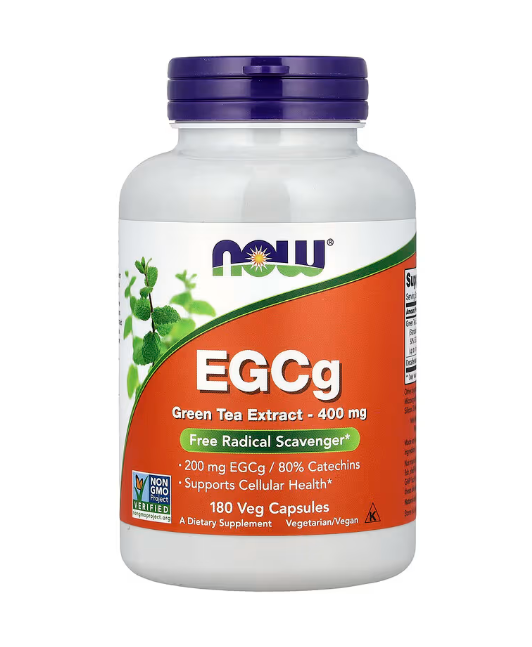
EGCG, short for epigallocatechin gallate, is a natural catechin found most abundantly in green tea. It is one of the key plant compounds responsible for green tea’s antioxidant activity and has been studied in human research for oxidative stress, inflammation markers, cholesterol, blood pressure, body composition, and metabolic wellness. Concentrated EGCG supplements can be much stronger than brewed green tea, so quality, dose, and safety guidance are especially important.
Potential Health Benefits of EGCG
Supports antioxidant activity and oxidative stress balance
May assist healthy cholesterol, blood pressure, and cardiometabolic markers
Supports body composition and metabolic wellness research
Further Information
Traditional & Historical Use
Green tea, from Camellia sinensis, has been consumed for centuries throughout East Asian cultures as a daily beverage and traditional wellness drink. EGCG is one of the main catechins naturally found in green tea leaves, alongside other polyphenols that contribute to green tea’s distinctive taste, colour, and antioxidant profile. Modern supplement research focuses on concentrated green tea extract and isolated EGCG for antioxidant, metabolic, and cardiometabolic health markers.
Antioxidant & Inflammatory Marker Research
EGCG is widely studied for its antioxidant properties and its ability to help protect cells from oxidative stress caused by everyday metabolic and environmental factors. Human clinical studies and systematic reviews have investigated green tea catechins and EGCG for their effects on oxidative stress and inflammatory markers, with some studies reporting improvements in markers such as oxidised LDL cholesterol, C-reactive protein, and overall antioxidant status. Results vary depending on dosage, caffeine content, study duration, and participant health status, but the strongest evidence currently supports EGCG as an antioxidant and cardiometabolic wellness ingredient.
Cardiometabolic Marker Research
Systematic reviews and meta-analyses have investigated green tea catechins for blood pressure, cholesterol, triglycerides, and other cardiometabolic markers. A 2023 meta-analysis reported effects on blood pressure and lipid outcomes, while broader reviews note that results vary depending on caffeine content, EGCG dose, baseline health status, and trial duration.
Body Composition & Weight Management Research
Human research has investigated green tea catechins and EGCG-caffeine combinations for body weight and body composition. Reviews report small or minimal effects on weight loss and weight maintenance, with stronger effects sometimes seen when green tea catechins are combined with caffeine. These findings relate to modest support alongside diet, movement, and lifestyle habits, not standalone weight-loss effects.
Safety & Considerations
Concentrated EGCG and green tea extract require careful use because high supplemental intakes have been associated with rare cases of liver injury. EFSA concluded that catechins from brewed green tea are generally safe, while concentrated green tea extracts may raise liver-safety concerns, particularly at higher EGCG doses. Individuals who are pregnant, breastfeeding, taking prescription medications, using liver, cholesterol, blood pressure, diabetes, blood-thinning, stimulant, or weight-loss medications, or managing liver disease, kidney disease, cardiovascular conditions, anxiety, insomnia, metabolic conditions, or any underlying health condition should consult a qualified healthcare professional before use. As with all supplements, use only as directed and seek medical advice before consuming if unsure whether this product is suitable for your individual needs.
References
Scientific Opinion on the Safety of Green Tea Catechins — EFSA
https://pmc.ncbi.nlm.nih.gov/articles/PMC7009618/Green Tea — LiverTox, NCBI Bookshelf
https://www.ncbi.nlm.nih.gov/books/NBK547925/United States Pharmacopeia Comprehensive Review of Green Tea Extract Safety
https://pmc.ncbi.nlm.nih.gov/articles/PMC7044683/Effects of Green Tea Catechin on Blood Pressure and Lipids: Systematic Review and Meta-Analysis
https://pmc.ncbi.nlm.nih.gov/articles/PMC10681946/Green Tea for Weight Loss and Weight Maintenance in Overweight or Obese Adults
https://pmc.ncbi.nlm.nih.gov/articles/PMC8406948/Does Green Tea Catechin Enhance Weight-Loss Effect of Exercise? Systematic Review and Meta-Analysis
https://pubmed.ncbi.nlm.nih.gov/39350601/Catechins and Human Health: Breakthroughs from Clinical Trials
https://pmc.ncbi.nlm.nih.gov/articles/PMC12348855/Epigallocatechin Gallate in Relation to Molecular Mechanisms of Health Effects
https://pmc.ncbi.nlm.nih.gov/articles/PMC9820274/
EGCG – Green Tea Antioxidant & Metabolic Wellness Support
EGCG, short for epigallocatechin gallate, is a natural catechin found most abundantly in green tea. It is one of the key plant compounds responsible for green tea’s antioxidant activity and has been studied in human research for oxidative stress, inflammation markers, cholesterol, blood pressure, body composition, and metabolic wellness. Concentrated EGCG supplements can be much stronger than brewed green tea, so quality, dose, and safety guidance are especially important.
Potential Health Benefits of EGCG
Supports antioxidant activity and oxidative stress balance
May assist healthy cholesterol, blood pressure, and cardiometabolic markers
Supports body composition and metabolic wellness research
Further Information
Traditional & Historical Use
Green tea, from Camellia sinensis, has been consumed for centuries throughout East Asian cultures as a daily beverage and traditional wellness drink. EGCG is one of the main catechins naturally found in green tea leaves, alongside other polyphenols that contribute to green tea’s distinctive taste, colour, and antioxidant profile. Modern supplement research focuses on concentrated green tea extract and isolated EGCG for antioxidant, metabolic, and cardiometabolic health markers.
Antioxidant & Inflammatory Marker Research
EGCG is widely studied for its antioxidant properties and its ability to help protect cells from oxidative stress caused by everyday metabolic and environmental factors. Human clinical studies and systematic reviews have investigated green tea catechins and EGCG for their effects on oxidative stress and inflammatory markers, with some studies reporting improvements in markers such as oxidised LDL cholesterol, C-reactive protein, and overall antioxidant status. Results vary depending on dosage, caffeine content, study duration, and participant health status, but the strongest evidence currently supports EGCG as an antioxidant and cardiometabolic wellness ingredient.
Cardiometabolic Marker Research
Systematic reviews and meta-analyses have investigated green tea catechins for blood pressure, cholesterol, triglycerides, and other cardiometabolic markers. A 2023 meta-analysis reported effects on blood pressure and lipid outcomes, while broader reviews note that results vary depending on caffeine content, EGCG dose, baseline health status, and trial duration.
Body Composition & Weight Management Research
Human research has investigated green tea catechins and EGCG-caffeine combinations for body weight and body composition. Reviews report small or minimal effects on weight loss and weight maintenance, with stronger effects sometimes seen when green tea catechins are combined with caffeine. These findings relate to modest support alongside diet, movement, and lifestyle habits, not standalone weight-loss effects.
Safety & Considerations
Concentrated EGCG and green tea extract require careful use because high supplemental intakes have been associated with rare cases of liver injury. EFSA concluded that catechins from brewed green tea are generally safe, while concentrated green tea extracts may raise liver-safety concerns, particularly at higher EGCG doses. Individuals who are pregnant, breastfeeding, taking prescription medications, using liver, cholesterol, blood pressure, diabetes, blood-thinning, stimulant, or weight-loss medications, or managing liver disease, kidney disease, cardiovascular conditions, anxiety, insomnia, metabolic conditions, or any underlying health condition should consult a qualified healthcare professional before use. As with all supplements, use only as directed and seek medical advice before consuming if unsure whether this product is suitable for your individual needs.
References
Scientific Opinion on the Safety of Green Tea Catechins — EFSA
https://pmc.ncbi.nlm.nih.gov/articles/PMC7009618/Green Tea — LiverTox, NCBI Bookshelf
https://www.ncbi.nlm.nih.gov/books/NBK547925/United States Pharmacopeia Comprehensive Review of Green Tea Extract Safety
https://pmc.ncbi.nlm.nih.gov/articles/PMC7044683/Effects of Green Tea Catechin on Blood Pressure and Lipids: Systematic Review and Meta-Analysis
https://pmc.ncbi.nlm.nih.gov/articles/PMC10681946/Green Tea for Weight Loss and Weight Maintenance in Overweight or Obese Adults
https://pmc.ncbi.nlm.nih.gov/articles/PMC8406948/Does Green Tea Catechin Enhance Weight-Loss Effect of Exercise? Systematic Review and Meta-Analysis
https://pubmed.ncbi.nlm.nih.gov/39350601/Catechins and Human Health: Breakthroughs from Clinical Trials
https://pmc.ncbi.nlm.nih.gov/articles/PMC12348855/Epigallocatechin Gallate in Relation to Molecular Mechanisms of Health Effects
https://pmc.ncbi.nlm.nih.gov/articles/PMC9820274/