

 Image 1 of 2
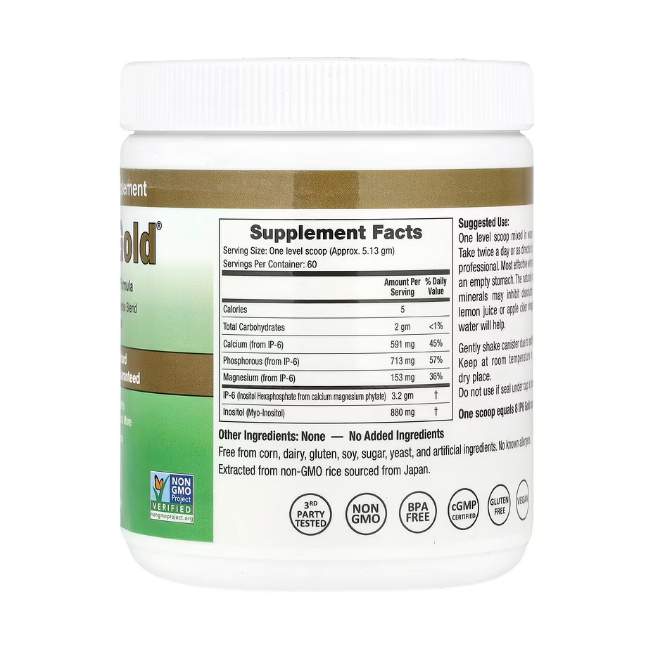 Image 2 of 2
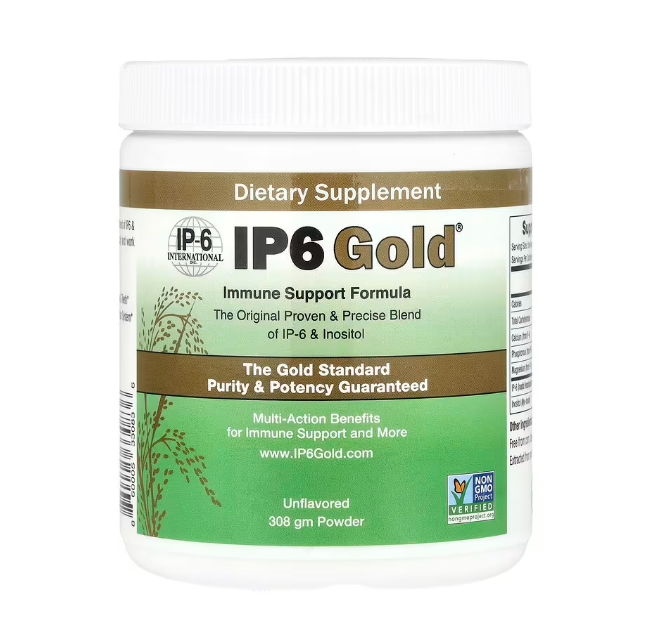
IP6 Gold
IP6 Gold by IP6 International Inc. – Cellular & Antioxidant Wellness Support
IP6 Gold by IP6 International Inc. is a supplement based on IP6, also known as inositol hexaphosphate or phytate, often paired with inositol. IP6 is a naturally occurring compound found in plant foods such as grains, legumes, nuts, and seeds. In research, IP6 has been studied for its antioxidant-related activity, mineral-binding properties, cellular signalling roles, and selected metabolic markers. Human research remains limited, so the strongest evidence-based positioning is general cellular wellness, antioxidant support, and metabolic marker research rather than disease treatment claims.
Potential Health Benefits of IP6 Gold
Supports cellular wellness and antioxidant-related activity
May assist healthy metabolic marker support in studied populations
Provides plant-derived IP6, a naturally occurring compound found in fibre-rich foods
Further Information
Traditional & Historical Use
IP6 is not a traditional herbal medicine, but it has long been consumed through plant-based foods such as whole grains, cereals, legumes, seeds, and nuts. Historically, it was known as phytate, the main storage form of phosphorus in many plants. Modern supplement use focuses on IP6 and inositol as plant-derived compounds researched for cellular wellness, antioxidant-related activity, mineral metabolism, and selected clinical contexts.
Antioxidant & Cellular Wellness Research
IP6 has been reviewed for its role in antioxidant-related activity, mineral binding, and cellular signalling. Scientific reviews describe IP6 as a naturally occurring plant compound with biological activity in human cells, including its interaction with iron-dependent oxidative processes. Much of the broader cellular research remains preclinical, so the most responsible customer-facing benefit is cellular wellness and antioxidant-related support.
Metabolic Marker Research
A randomised crossover trial in people with type 2 diabetes found that phytate supplementation reduced circulating advanced glycation end-products and HbA1c over three months. This research is specific to a studied clinical population and supports measured language around metabolic marker research rather than broad claims about blood sugar control.
Quality of Life Research
A small prospective, randomised pilot clinical study evaluated IP6 plus inositol in breast cancer patients receiving chemotherapy and reported improvements in quality-of-life measures and reduced treatment-related side effects compared with chemotherapy alone. This finding belongs to a specific clinical context and should not be presented as cancer prevention, cancer treatment, or general immune treatment support.
Safety & Considerations
IP6 can bind minerals such as iron, zinc, and calcium, which may influence mineral absorption depending on dose, diet, timing, and individual nutritional status. Individuals who are pregnant, breastfeeding, taking prescription medications, undergoing cancer treatment, managing diabetes, anaemia, mineral deficiency, kidney disease, digestive conditions, or any underlying health condition should consult a qualified healthcare professional before use. As with all supplements, use only as directed and seek medical advice before consuming if unsure whether this product is suitable for your individual needs.
References
Phytate Decreases Formation of Advanced Glycation End-Products in Patients with Type II Diabetes: Randomized Crossover Trial
https://pmc.ncbi.nlm.nih.gov/articles/PMC6018557/Phytate Decreases Formation of Advanced Glycation End-Products — PubMed Record
https://pubmed.ncbi.nlm.nih.gov/29941991/Efficacy of IP6 + inositol in the treatment of breast cancer patients receiving chemotherapy
https://pmc.ncbi.nlm.nih.gov/articles/PMC2829500/Protection against cancer by dietary IP6 and inositol
https://pubmed.ncbi.nlm.nih.gov/17044765/Cellular and Molecular Activities of IP6 in Disease Prevention and Therapy
https://pmc.ncbi.nlm.nih.gov/articles/PMC10296680/Key Aspects of Myo-Inositol Hexaphosphate (Phytate) and Pathological Calcifications
https://pmc.ncbi.nlm.nih.gov/articles/PMC6943413/
IP6 Gold by IP6 International Inc. – Cellular & Antioxidant Wellness Support
IP6 Gold by IP6 International Inc. is a supplement based on IP6, also known as inositol hexaphosphate or phytate, often paired with inositol. IP6 is a naturally occurring compound found in plant foods such as grains, legumes, nuts, and seeds. In research, IP6 has been studied for its antioxidant-related activity, mineral-binding properties, cellular signalling roles, and selected metabolic markers. Human research remains limited, so the strongest evidence-based positioning is general cellular wellness, antioxidant support, and metabolic marker research rather than disease treatment claims.
Potential Health Benefits of IP6 Gold
Supports cellular wellness and antioxidant-related activity
May assist healthy metabolic marker support in studied populations
Provides plant-derived IP6, a naturally occurring compound found in fibre-rich foods
Further Information
Traditional & Historical Use
IP6 is not a traditional herbal medicine, but it has long been consumed through plant-based foods such as whole grains, cereals, legumes, seeds, and nuts. Historically, it was known as phytate, the main storage form of phosphorus in many plants. Modern supplement use focuses on IP6 and inositol as plant-derived compounds researched for cellular wellness, antioxidant-related activity, mineral metabolism, and selected clinical contexts.
Antioxidant & Cellular Wellness Research
IP6 has been reviewed for its role in antioxidant-related activity, mineral binding, and cellular signalling. Scientific reviews describe IP6 as a naturally occurring plant compound with biological activity in human cells, including its interaction with iron-dependent oxidative processes. Much of the broader cellular research remains preclinical, so the most responsible customer-facing benefit is cellular wellness and antioxidant-related support.
Metabolic Marker Research
A randomised crossover trial in people with type 2 diabetes found that phytate supplementation reduced circulating advanced glycation end-products and HbA1c over three months. This research is specific to a studied clinical population and supports measured language around metabolic marker research rather than broad claims about blood sugar control.
Quality of Life Research
A small prospective, randomised pilot clinical study evaluated IP6 plus inositol in breast cancer patients receiving chemotherapy and reported improvements in quality-of-life measures and reduced treatment-related side effects compared with chemotherapy alone. This finding belongs to a specific clinical context and should not be presented as cancer prevention, cancer treatment, or general immune treatment support.
Safety & Considerations
IP6 can bind minerals such as iron, zinc, and calcium, which may influence mineral absorption depending on dose, diet, timing, and individual nutritional status. Individuals who are pregnant, breastfeeding, taking prescription medications, undergoing cancer treatment, managing diabetes, anaemia, mineral deficiency, kidney disease, digestive conditions, or any underlying health condition should consult a qualified healthcare professional before use. As with all supplements, use only as directed and seek medical advice before consuming if unsure whether this product is suitable for your individual needs.
References
Phytate Decreases Formation of Advanced Glycation End-Products in Patients with Type II Diabetes: Randomized Crossover Trial
https://pmc.ncbi.nlm.nih.gov/articles/PMC6018557/Phytate Decreases Formation of Advanced Glycation End-Products — PubMed Record
https://pubmed.ncbi.nlm.nih.gov/29941991/Efficacy of IP6 + inositol in the treatment of breast cancer patients receiving chemotherapy
https://pmc.ncbi.nlm.nih.gov/articles/PMC2829500/Protection against cancer by dietary IP6 and inositol
https://pubmed.ncbi.nlm.nih.gov/17044765/Cellular and Molecular Activities of IP6 in Disease Prevention and Therapy
https://pmc.ncbi.nlm.nih.gov/articles/PMC10296680/Key Aspects of Myo-Inositol Hexaphosphate (Phytate) and Pathological Calcifications
https://pmc.ncbi.nlm.nih.gov/articles/PMC6943413/