

 Image 1 of 1
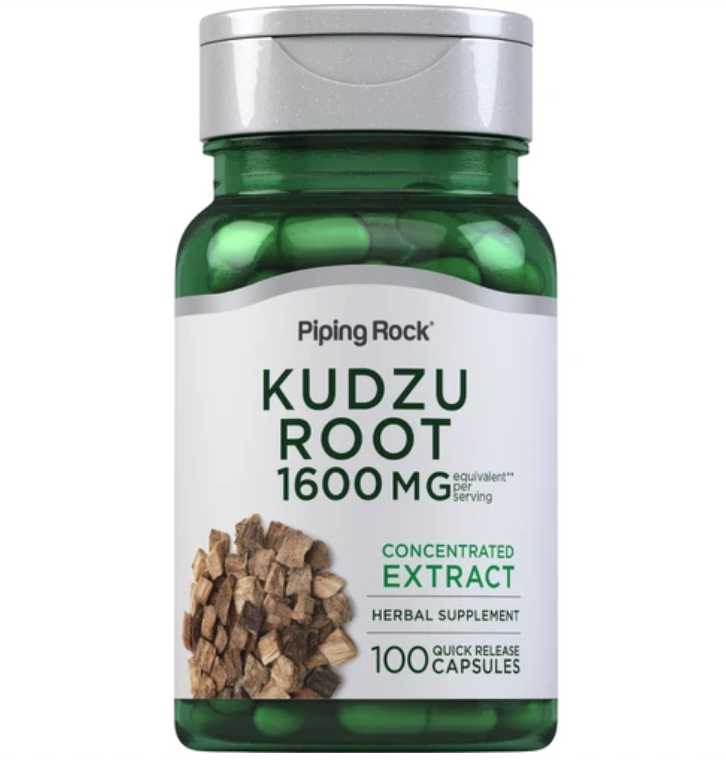
Kudzu
Kudzu (Pueraria lobata) – Alcohol Metabolism & Botanical Wellness Support
Kudzu, botanically known as Pueraria lobata, is a climbing vine traditionally used in East Asian herbal medicine and best known for its root, which contains naturally occurring isoflavones such as puerarin, daidzin, and daidzein. In modern human research, kudzu has been studied most meaningfully for its effects on alcohol intake patterns, with clinical studies showing that standardised kudzu extract and isolated puerarin may reduce alcohol consumption in heavy-drinking study participants. Kudzu also has broader traditional use and preclinical research interest, but the strongest customer-facing evidence is in alcohol-related wellness research.
Potential Health Benefits of Kudzu
Supports alcohol-related wellness research in studied adult populations
Provides naturally occurring isoflavones, including puerarin, daidzin, and daidzein
May assist healthy drinking-pattern support in human clinical research
Further Information
Traditional & Historical Use
Kudzu root, known as Ge Gen in traditional Chinese medicine, has been used historically as a botanical ingredient for alcohol-related concerns, fever, thirst, and general wellness. Modern reviews describe kudzu as an ancient medicinal plant, with research focusing heavily on its isoflavone compounds and their potential influence on alcohol intake, alcohol metabolism, and selected metabolic or cardiovascular pathways.
Alcohol Intake Research
Human clinical studies have investigated kudzu root extract and puerarin for alcohol intake patterns. A 2015 study found that a single dose of kudzu extract reduced alcohol consumption in a binge-drinking laboratory paradigm, while a 2012 pilot study reported that puerarin reduced alcohol intake in heavy drinkers. A separate study of standardised kudzu extract also reported modest reductions in alcohol consumption with minimal side effects. This supports careful wording around alcohol-related wellness research, not claims that kudzu treats alcohol dependence or replaces professional care.
Isoflavone & Botanical Compound Research
Kudzu root naturally contains isoflavones including puerarin, daidzin, and daidzein, which are the main compounds studied in relation to alcohol intake and broader biological effects. Reviews describe these compounds as central to kudzu’s pharmacological research profile, with puerarin receiving particular attention in both human and preclinical studies.
Cardiometabolic Research
Kudzu and puerarin have been investigated in relation to metabolic and cardiovascular pathways, but much of this research is preclinical, mechanistic, or disease-context specific. Reviews discuss potential roles for Pueraria lobata and puerarin in glucose, lipid, and cardiovascular research, but these findings should be treated as scientific context rather than strong consumer benefit claims for healthy adults.
Safety & Considerations
Kudzu extract has been reported as well tolerated in short-term human alcohol-intake studies, but individual suitability may vary. Because kudzu contains isoflavones and may influence alcohol-related pathways, individuals who are pregnant, breastfeeding, taking prescription medications, managing liver disease, hormone-sensitive conditions, cardiovascular conditions, diabetes, alcohol dependence, or any underlying medical condition should consult a qualified healthcare professional before use. Kudzu should not be used as a substitute for professional support for alcohol dependence or any medical condition. As with all supplements, use only as directed and seek medical advice before consuming if unsure whether this product is suitable for your individual needs.
References
An evidence-based systematic review of kudzu (Pueraria lobata)
https://pubmed.ncbi.nlm.nih.gov/24848872/The Isoflavone Puerarin Reduces Alcohol Intake in Heavy Drinkers: A Pilot Study
https://pmc.ncbi.nlm.nih.gov/articles/PMC3430804/A Single Dose of Kudzu Extract Reduces Alcohol Consumption in a Binge Drinking Paradigm
https://pmc.ncbi.nlm.nih.gov/articles/PMC4510012/A standardized kudzu extract (NPI-031) reduces alcohol consumption in nontreatment-seeking male heavy drinkers
https://pubmed.ncbi.nlm.nih.gov/23070022/Kudzu Root Extract Does Not Perturb the Sleep/Wake Cycle of Moderate Drinkers
https://pmc.ncbi.nlm.nih.gov/articles/PMC3233215/Applications of Pueraria lobata in treating diabetics and reducing alcohol drinking
https://pmc.ncbi.nlm.nih.gov/articles/PMC7434045/Effects of Puerarin on the Prevention and Treatment of Cardiovascular Diseases
https://pmc.ncbi.nlm.nih.gov/articles/PMC8689134/
Kudzu (Pueraria lobata) – Alcohol Metabolism & Botanical Wellness Support
Kudzu, botanically known as Pueraria lobata, is a climbing vine traditionally used in East Asian herbal medicine and best known for its root, which contains naturally occurring isoflavones such as puerarin, daidzin, and daidzein. In modern human research, kudzu has been studied most meaningfully for its effects on alcohol intake patterns, with clinical studies showing that standardised kudzu extract and isolated puerarin may reduce alcohol consumption in heavy-drinking study participants. Kudzu also has broader traditional use and preclinical research interest, but the strongest customer-facing evidence is in alcohol-related wellness research.
Potential Health Benefits of Kudzu
Supports alcohol-related wellness research in studied adult populations
Provides naturally occurring isoflavones, including puerarin, daidzin, and daidzein
May assist healthy drinking-pattern support in human clinical research
Further Information
Traditional & Historical Use
Kudzu root, known as Ge Gen in traditional Chinese medicine, has been used historically as a botanical ingredient for alcohol-related concerns, fever, thirst, and general wellness. Modern reviews describe kudzu as an ancient medicinal plant, with research focusing heavily on its isoflavone compounds and their potential influence on alcohol intake, alcohol metabolism, and selected metabolic or cardiovascular pathways.
Alcohol Intake Research
Human clinical studies have investigated kudzu root extract and puerarin for alcohol intake patterns. A 2015 study found that a single dose of kudzu extract reduced alcohol consumption in a binge-drinking laboratory paradigm, while a 2012 pilot study reported that puerarin reduced alcohol intake in heavy drinkers. A separate study of standardised kudzu extract also reported modest reductions in alcohol consumption with minimal side effects. This supports careful wording around alcohol-related wellness research, not claims that kudzu treats alcohol dependence or replaces professional care.
Isoflavone & Botanical Compound Research
Kudzu root naturally contains isoflavones including puerarin, daidzin, and daidzein, which are the main compounds studied in relation to alcohol intake and broader biological effects. Reviews describe these compounds as central to kudzu’s pharmacological research profile, with puerarin receiving particular attention in both human and preclinical studies.
Cardiometabolic Research
Kudzu and puerarin have been investigated in relation to metabolic and cardiovascular pathways, but much of this research is preclinical, mechanistic, or disease-context specific. Reviews discuss potential roles for Pueraria lobata and puerarin in glucose, lipid, and cardiovascular research, but these findings should be treated as scientific context rather than strong consumer benefit claims for healthy adults.
Safety & Considerations
Kudzu extract has been reported as well tolerated in short-term human alcohol-intake studies, but individual suitability may vary. Because kudzu contains isoflavones and may influence alcohol-related pathways, individuals who are pregnant, breastfeeding, taking prescription medications, managing liver disease, hormone-sensitive conditions, cardiovascular conditions, diabetes, alcohol dependence, or any underlying medical condition should consult a qualified healthcare professional before use. Kudzu should not be used as a substitute for professional support for alcohol dependence or any medical condition. As with all supplements, use only as directed and seek medical advice before consuming if unsure whether this product is suitable for your individual needs.
References
An evidence-based systematic review of kudzu (Pueraria lobata)
https://pubmed.ncbi.nlm.nih.gov/24848872/The Isoflavone Puerarin Reduces Alcohol Intake in Heavy Drinkers: A Pilot Study
https://pmc.ncbi.nlm.nih.gov/articles/PMC3430804/A Single Dose of Kudzu Extract Reduces Alcohol Consumption in a Binge Drinking Paradigm
https://pmc.ncbi.nlm.nih.gov/articles/PMC4510012/A standardized kudzu extract (NPI-031) reduces alcohol consumption in nontreatment-seeking male heavy drinkers
https://pubmed.ncbi.nlm.nih.gov/23070022/Kudzu Root Extract Does Not Perturb the Sleep/Wake Cycle of Moderate Drinkers
https://pmc.ncbi.nlm.nih.gov/articles/PMC3233215/Applications of Pueraria lobata in treating diabetics and reducing alcohol drinking
https://pmc.ncbi.nlm.nih.gov/articles/PMC7434045/Effects of Puerarin on the Prevention and Treatment of Cardiovascular Diseases
https://pmc.ncbi.nlm.nih.gov/articles/PMC8689134/