

 Image 1 of 2
 Image 2 of 2
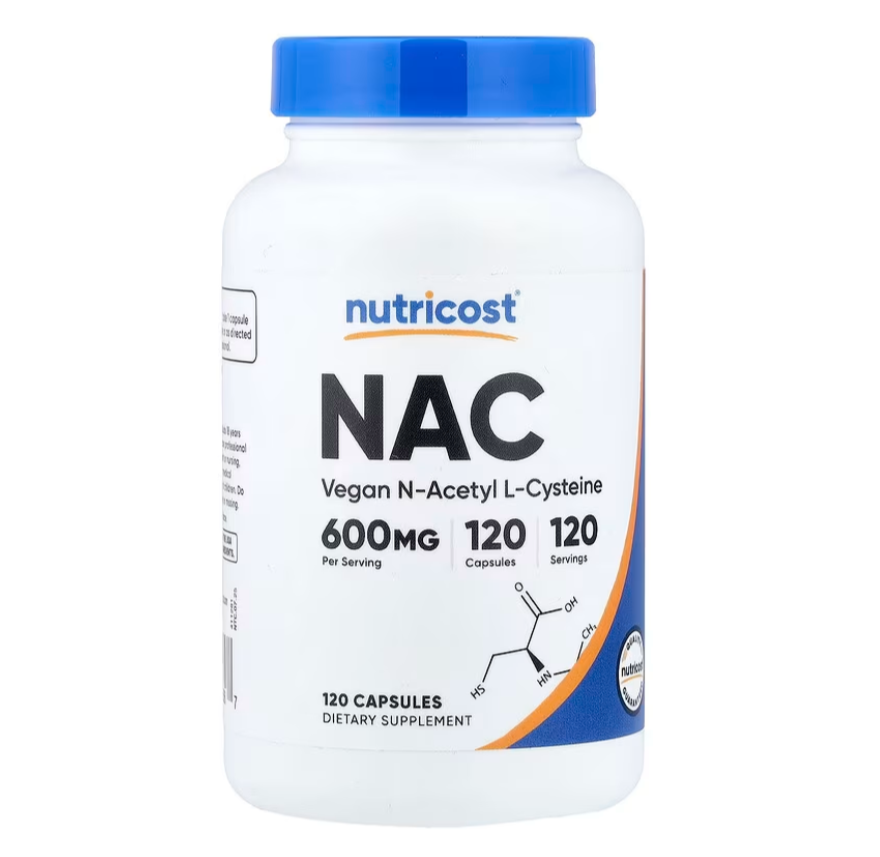
NAC
NAC (N-Acetyl Cysteine) – Antioxidant, Liver & Cellular Wellness Support
NAC, short for N-Acetyl Cysteine, is a stable supplemental form of the amino acid cysteine and is widely recognised for its role in supporting antioxidant production, liver health, respiratory function, and cellular protection. NAC serves as a precursor to glutathione — one of the body’s most important endogenous antioxidants involved in detoxification, oxidative balance, and immune defence.
Modern scientific research has extensively investigated NAC for its potential role in supporting healthy inflammatory balance, oxidative stress reduction, respiratory wellness, liver protection, and neurological health. Due to its broad biological activity, NAC has become one of the most widely researched compounds within clinical and wellness-focused supplementation.
Potential Health Benefits of NAC
Supports glutathione production and antioxidant defence
Assists healthy liver function and cellular detoxification pathways
May support respiratory and immune system wellness
Further Information
Traditional & Historical Use
NAC itself is a modern therapeutic compound developed from the amino acid cysteine rather than a traditional herbal medicine. It was first introduced in clinical medicine in the 1960s and has since become extensively used in medical and nutritional research.
Historically, NAC gained attention for its role in supporting respiratory health and liver protection, particularly through its ability to replenish glutathione levels. Over time, scientific interest expanded into its potential applications within immune health, neurological wellness, healthy ageing, exercise recovery, and oxidative stress support.
Today, NAC remains one of the most extensively researched antioxidant-support compounds in modern wellness science.
Glutathione Production & Antioxidant Support
NAC is best known for its role as a precursor to glutathione, often referred to as the body’s “master antioxidant.” Glutathione plays a critical role in protecting cells from oxidative stress, free radical damage, and environmental toxins.
Research suggests NAC supplementation may help support intracellular glutathione production, particularly during periods of oxidative stress, illness, ageing, environmental exposure, or intense physical demand.
Its antioxidant properties have made NAC a major focus of research surrounding cellular protection, healthy ageing, and metabolic resilience.
Liver Health & Detoxification Support
NAC has been extensively studied for its role in supporting liver health and detoxification pathways. Clinical research has demonstrated NAC’s ability to support glutathione-dependent detoxification processes within the liver.
Scientific studies have explored NAC’s protective effects against oxidative stress and inflammatory damage within liver tissue. Its role in supporting healthy detoxification pathways and cellular repair mechanisms continues to be an important area of medical and nutritional research.
NAC is also widely recognised within clinical medicine for its established role in supporting glutathione replenishment during toxic oxidative stress events.
Respiratory & Immune System Research
Research suggests NAC may support respiratory wellness through its mucolytic properties, meaning it may help support healthy mucus balance and airway function.
Scientific studies have investigated NAC for its potential ability to support healthy respiratory function, particularly during periods of oxidative or inflammatory stress. Its antioxidant activity may additionally help support immune system balance and cellular resilience.
Researchers continue to explore NAC’s broader role in immune regulation and inflammatory pathway modulation.
Brain, Mood & Nervous System Research
Emerging research has explored NAC’s potential influence on neurological and mental wellbeing pathways. Studies suggest NAC may affect glutamate regulation, oxidative balance, and neuroinflammatory signalling within the brain.
Researchers have investigated NAC in relation to cognitive health, nervous system resilience, mood regulation, and neurological wellness. Its antioxidant and glutathione-supportive effects are believed to contribute to these areas of interest.
Ongoing research continues to examine NAC’s potential role within broader neurological and behavioural health applications.
Safety & Considerations
NAC is generally considered well tolerated when used appropriately. Mild gastrointestinal discomfort may occur in some individuals. Due to NAC’s influence on certain metabolic and detoxification pathways, individuals with underlying medical conditions or those taking prescription medications should consult a qualified healthcare professional before use.
Pregnant or breastfeeding individuals should seek professional medical advice prior to supplementation.
As with all supplements, use only as directed and seek professional medical advice if unsure whether this product is suitable for your individual needs.
PubMed & Scientific References
N-Acetylcysteine: A Review of Clinical Applications and Antioxidant Activity
PubMed Review ArticleNAC and Glutathione in Oxidative Stress Regulation
PubMed ArticleN-Acetylcysteine and Liver Protection Research
PubMed StudyNAC in Respiratory and Immune Health Research
PubMed Central ReviewNeuroprotective and Psychiatric Research on NAC
PubMed Review Article
NAC (N-Acetyl Cysteine) – Antioxidant, Liver & Cellular Wellness Support
NAC, short for N-Acetyl Cysteine, is a stable supplemental form of the amino acid cysteine and is widely recognised for its role in supporting antioxidant production, liver health, respiratory function, and cellular protection. NAC serves as a precursor to glutathione — one of the body’s most important endogenous antioxidants involved in detoxification, oxidative balance, and immune defence.
Modern scientific research has extensively investigated NAC for its potential role in supporting healthy inflammatory balance, oxidative stress reduction, respiratory wellness, liver protection, and neurological health. Due to its broad biological activity, NAC has become one of the most widely researched compounds within clinical and wellness-focused supplementation.
Potential Health Benefits of NAC
Supports glutathione production and antioxidant defence
Assists healthy liver function and cellular detoxification pathways
May support respiratory and immune system wellness
Further Information
Traditional & Historical Use
NAC itself is a modern therapeutic compound developed from the amino acid cysteine rather than a traditional herbal medicine. It was first introduced in clinical medicine in the 1960s and has since become extensively used in medical and nutritional research.
Historically, NAC gained attention for its role in supporting respiratory health and liver protection, particularly through its ability to replenish glutathione levels. Over time, scientific interest expanded into its potential applications within immune health, neurological wellness, healthy ageing, exercise recovery, and oxidative stress support.
Today, NAC remains one of the most extensively researched antioxidant-support compounds in modern wellness science.
Glutathione Production & Antioxidant Support
NAC is best known for its role as a precursor to glutathione, often referred to as the body’s “master antioxidant.” Glutathione plays a critical role in protecting cells from oxidative stress, free radical damage, and environmental toxins.
Research suggests NAC supplementation may help support intracellular glutathione production, particularly during periods of oxidative stress, illness, ageing, environmental exposure, or intense physical demand.
Its antioxidant properties have made NAC a major focus of research surrounding cellular protection, healthy ageing, and metabolic resilience.
Liver Health & Detoxification Support
NAC has been extensively studied for its role in supporting liver health and detoxification pathways. Clinical research has demonstrated NAC’s ability to support glutathione-dependent detoxification processes within the liver.
Scientific studies have explored NAC’s protective effects against oxidative stress and inflammatory damage within liver tissue. Its role in supporting healthy detoxification pathways and cellular repair mechanisms continues to be an important area of medical and nutritional research.
NAC is also widely recognised within clinical medicine for its established role in supporting glutathione replenishment during toxic oxidative stress events.
Respiratory & Immune System Research
Research suggests NAC may support respiratory wellness through its mucolytic properties, meaning it may help support healthy mucus balance and airway function.
Scientific studies have investigated NAC for its potential ability to support healthy respiratory function, particularly during periods of oxidative or inflammatory stress. Its antioxidant activity may additionally help support immune system balance and cellular resilience.
Researchers continue to explore NAC’s broader role in immune regulation and inflammatory pathway modulation.
Brain, Mood & Nervous System Research
Emerging research has explored NAC’s potential influence on neurological and mental wellbeing pathways. Studies suggest NAC may affect glutamate regulation, oxidative balance, and neuroinflammatory signalling within the brain.
Researchers have investigated NAC in relation to cognitive health, nervous system resilience, mood regulation, and neurological wellness. Its antioxidant and glutathione-supportive effects are believed to contribute to these areas of interest.
Ongoing research continues to examine NAC’s potential role within broader neurological and behavioural health applications.
Safety & Considerations
NAC is generally considered well tolerated when used appropriately. Mild gastrointestinal discomfort may occur in some individuals. Due to NAC’s influence on certain metabolic and detoxification pathways, individuals with underlying medical conditions or those taking prescription medications should consult a qualified healthcare professional before use.
Pregnant or breastfeeding individuals should seek professional medical advice prior to supplementation.
As with all supplements, use only as directed and seek professional medical advice if unsure whether this product is suitable for your individual needs.
PubMed & Scientific References
N-Acetylcysteine: A Review of Clinical Applications and Antioxidant Activity
PubMed Review ArticleNAC and Glutathione in Oxidative Stress Regulation
PubMed ArticleN-Acetylcysteine and Liver Protection Research
PubMed StudyNAC in Respiratory and Immune Health Research
PubMed Central ReviewNeuroprotective and Psychiatric Research on NAC
PubMed Review Article