

 Image 1 of 2
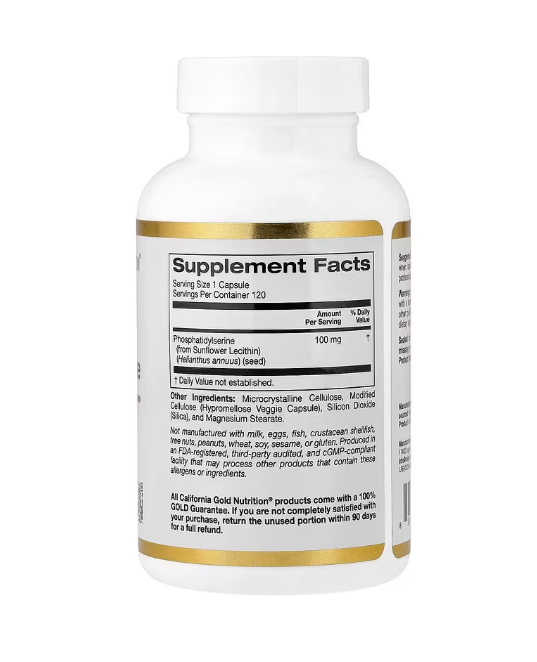 Image 2 of 2
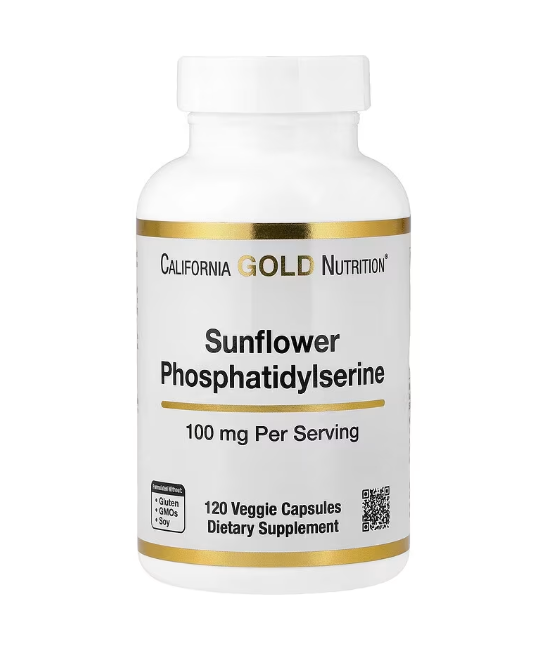
Sunflower Phosphatidylserine
Sunflower Phosphatidylserine – Cognitive & Stress Response Support
Sunflower Phosphatidylserine is a plant-derived form of phosphatidylserine, a phospholipid naturally found in cell membranes, with especially high relevance in brain and nerve cell function. Phosphatidylserine helps support normal cellular communication, membrane structure, and cognitive processes such as memory, attention, and learning. Human research has mainly studied phosphatidylserine from soy, bovine, or mixed phospholipid sources, so sunflower-derived phosphatidylserine is best understood as a plant-based, soy-free source of the same phospholipid rather than a separately proven form.
Potential Health Benefits of Sunflower Phosphatidylserine
Supports memory and cognitive function research in older adults
May assist healthy stress hormone response during exercise stress
Provides a plant-based phospholipid involved in brain cell membrane function
Further Information
Traditional & Historical Use
Phosphatidylserine is not a traditional herbal medicine. It is a naturally occurring phospholipid found in the body and in small amounts in foods such as fish, organ meats, soy, and white beans. Earlier phosphatidylserine research used bovine-derived sources, while modern supplements are commonly made from soy or sunflower lecithin to provide plant-derived alternatives.
Cognitive Function Research
Human studies have investigated phosphatidylserine for memory and cognitive performance, particularly in older adults. A double-blind, placebo-controlled study found that soybean-derived phosphatidylserine improved memory function, especially delayed recall, in older adults with memory complaints. Another exploratory study found favourable cognitive effects in elderly people with memory complaints, although not all trials have shown benefit.
Stress Hormone & Exercise Response Research
Phosphatidylserine has been studied for its effects on cortisol response during physical stress. A randomised study found that 600 mg/day phosphatidylserine for 10 days blunted cortisol response to exercise-induced stress, while earlier research using 800 mg/day also reported reduced ACTH and cortisol responses to physical exercise. These findings relate specifically to exercise-related stress hormone response.
Brain Cell Membrane Support
Phosphatidylserine is an important phospholipid in brain cell membranes and has been reviewed for its relationship with cognitive activity, cognitive ageing, and neuronal function. This research supports its relevance as a brain health nutrient, while human outcome studies vary by source, dose, population, and study design.
Safety & Considerations
Phosphatidylserine has been reported as generally well tolerated in short-term human studies, including soy-derived phosphatidylserine research in older adults. Mild side effects may include digestive discomfort, headache, or insomnia in some individuals. Individuals who are pregnant, breastfeeding, taking prescription medications, using blood-thinning, sleep, mood, cognitive, or neurological medications, preparing for surgery, or managing neurological, cardiovascular, blood pressure, liver, kidney, or chronic health conditions should consult a qualified healthcare professional before use. As with all supplements, use only as directed and seek medical advice before consuming if unsure whether this product is suitable for your individual needs.
References
Phosphatidylserine and the human brain
https://pubmed.ncbi.nlm.nih.gov/25933483/Soybean-Derived Phosphatidylserine Improves Memory Function of the Elderly Japanese Subjects with Memory Complaints
https://pmc.ncbi.nlm.nih.gov/articles/PMC2966935/The effect of soybean-derived phosphatidylserine on cognitive performance in elderly with subjective memory complaints
https://pmc.ncbi.nlm.nih.gov/articles/PMC3665496/Positive Effects of Soy Lecithin-Derived Phosphatidylserine Plus Phosphatidic Acid on Memory, Cognition, Daily Functioning, and Mood in Elderly Patients
https://pmc.ncbi.nlm.nih.gov/articles/PMC4271139/The effects of phosphatidylserine on endocrine response to moderate intensity exercise
https://pmc.ncbi.nlm.nih.gov/articles/PMC2503954/Blunting by chronic phosphatidylserine administration of the stress-induced activation of the hypothalamo-pituitary-adrenal axis in healthy men
https://pubmed.ncbi.nlm.nih.gov/1325348/Safety of soy-derived phosphatidylserine in elderly people
https://pubmed.ncbi.nlm.nih.gov/12385596/
Sunflower Phosphatidylserine – Cognitive & Stress Response Support
Sunflower Phosphatidylserine is a plant-derived form of phosphatidylserine, a phospholipid naturally found in cell membranes, with especially high relevance in brain and nerve cell function. Phosphatidylserine helps support normal cellular communication, membrane structure, and cognitive processes such as memory, attention, and learning. Human research has mainly studied phosphatidylserine from soy, bovine, or mixed phospholipid sources, so sunflower-derived phosphatidylserine is best understood as a plant-based, soy-free source of the same phospholipid rather than a separately proven form.
Potential Health Benefits of Sunflower Phosphatidylserine
Supports memory and cognitive function research in older adults
May assist healthy stress hormone response during exercise stress
Provides a plant-based phospholipid involved in brain cell membrane function
Further Information
Traditional & Historical Use
Phosphatidylserine is not a traditional herbal medicine. It is a naturally occurring phospholipid found in the body and in small amounts in foods such as fish, organ meats, soy, and white beans. Earlier phosphatidylserine research used bovine-derived sources, while modern supplements are commonly made from soy or sunflower lecithin to provide plant-derived alternatives.
Cognitive Function Research
Human studies have investigated phosphatidylserine for memory and cognitive performance, particularly in older adults. A double-blind, placebo-controlled study found that soybean-derived phosphatidylserine improved memory function, especially delayed recall, in older adults with memory complaints. Another exploratory study found favourable cognitive effects in elderly people with memory complaints, although not all trials have shown benefit.
Stress Hormone & Exercise Response Research
Phosphatidylserine has been studied for its effects on cortisol response during physical stress. A randomised study found that 600 mg/day phosphatidylserine for 10 days blunted cortisol response to exercise-induced stress, while earlier research using 800 mg/day also reported reduced ACTH and cortisol responses to physical exercise. These findings relate specifically to exercise-related stress hormone response.
Brain Cell Membrane Support
Phosphatidylserine is an important phospholipid in brain cell membranes and has been reviewed for its relationship with cognitive activity, cognitive ageing, and neuronal function. This research supports its relevance as a brain health nutrient, while human outcome studies vary by source, dose, population, and study design.
Safety & Considerations
Phosphatidylserine has been reported as generally well tolerated in short-term human studies, including soy-derived phosphatidylserine research in older adults. Mild side effects may include digestive discomfort, headache, or insomnia in some individuals. Individuals who are pregnant, breastfeeding, taking prescription medications, using blood-thinning, sleep, mood, cognitive, or neurological medications, preparing for surgery, or managing neurological, cardiovascular, blood pressure, liver, kidney, or chronic health conditions should consult a qualified healthcare professional before use. As with all supplements, use only as directed and seek medical advice before consuming if unsure whether this product is suitable for your individual needs.
References
Phosphatidylserine and the human brain
https://pubmed.ncbi.nlm.nih.gov/25933483/Soybean-Derived Phosphatidylserine Improves Memory Function of the Elderly Japanese Subjects with Memory Complaints
https://pmc.ncbi.nlm.nih.gov/articles/PMC2966935/The effect of soybean-derived phosphatidylserine on cognitive performance in elderly with subjective memory complaints
https://pmc.ncbi.nlm.nih.gov/articles/PMC3665496/Positive Effects of Soy Lecithin-Derived Phosphatidylserine Plus Phosphatidic Acid on Memory, Cognition, Daily Functioning, and Mood in Elderly Patients
https://pmc.ncbi.nlm.nih.gov/articles/PMC4271139/The effects of phosphatidylserine on endocrine response to moderate intensity exercise
https://pmc.ncbi.nlm.nih.gov/articles/PMC2503954/Blunting by chronic phosphatidylserine administration of the stress-induced activation of the hypothalamo-pituitary-adrenal axis in healthy men
https://pubmed.ncbi.nlm.nih.gov/1325348/Safety of soy-derived phosphatidylserine in elderly people
https://pubmed.ncbi.nlm.nih.gov/12385596/