

 Image 1 of 2
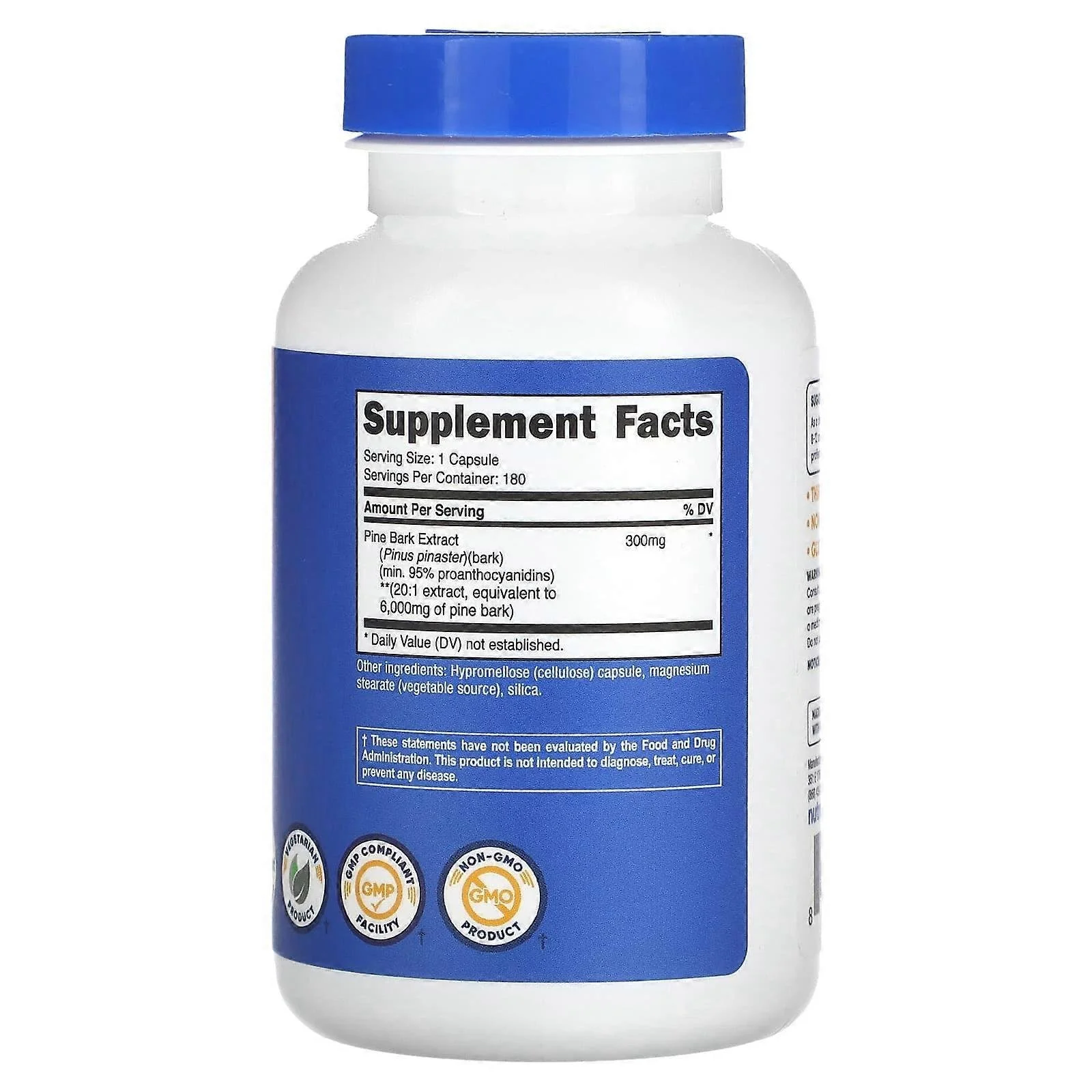 Image 2 of 2
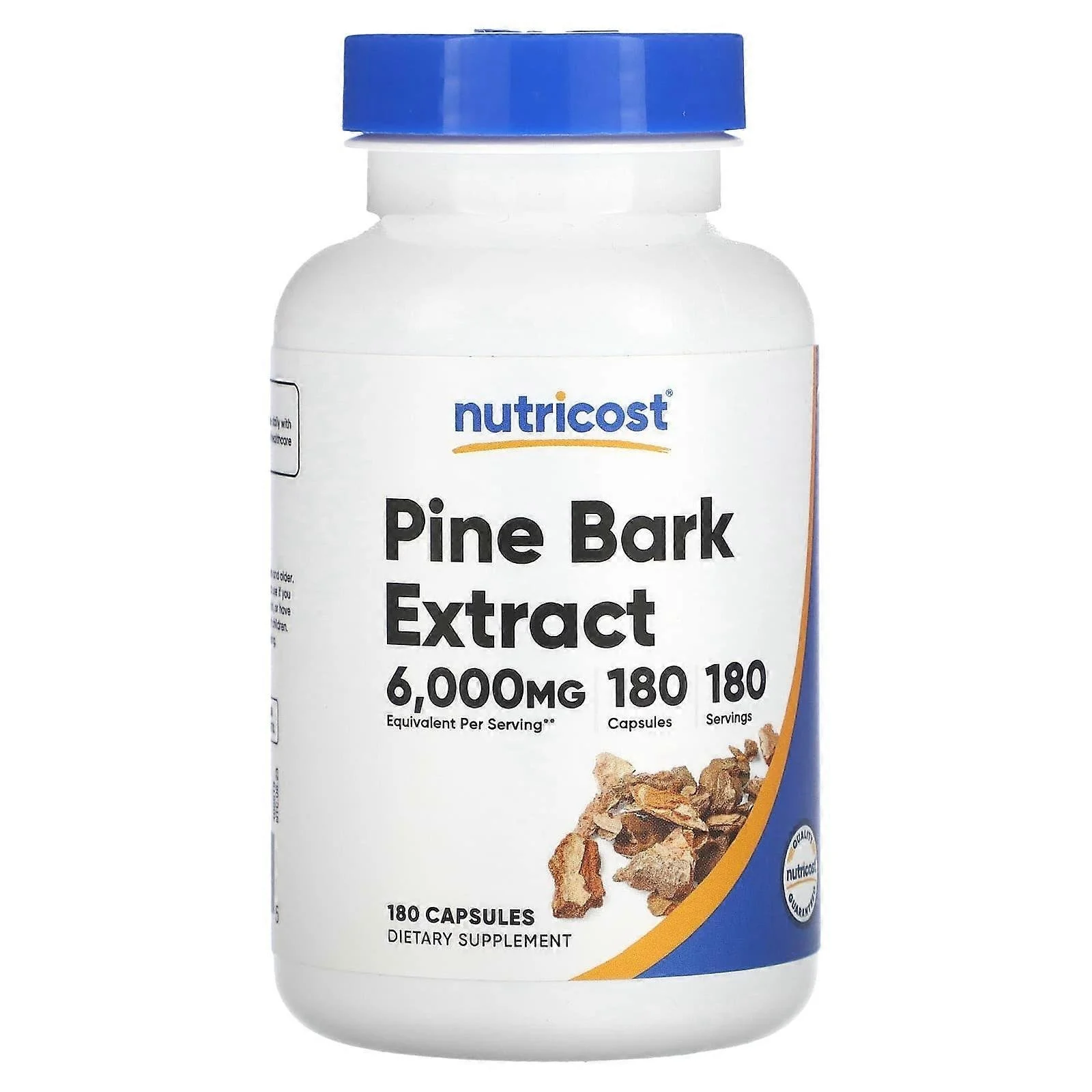
Pine Bark Extract
Pine Bark Extract – Antioxidant & Circulatory Wellness Support
Pine Bark Extract is most commonly derived from French maritime pine bark (Pinus pinaster) and is naturally rich in polyphenols, including procyanidins and flavonoids. These plant compounds are studied for their antioxidant activity and their role in supporting healthy blood vessel function. Human research has investigated pine bark extract, particularly standardised Pycnogenol®, for antioxidant capacity, endothelial function, blood pressure, lipid markers, and broader cardiometabolic wellness outcomes.
Potential Health Benefits of Pine Bark Extract
Supports antioxidant activity and oxidative stress balance
May assist healthy circulation and endothelial function
Supports selected cardiometabolic wellness markers
Further Information
Traditional & Historical Use
Pine bark has a history of use as a botanical material, but modern supplement research focuses mainly on standardised French maritime pine bark extract. Pycnogenol® is one of the most studied forms and contains a concentrated blend of procyanidins, catechin, taxifolin, and phenolic acids. Contemporary research has focused on its antioxidant, vascular, circulatory, and cardiometabolic effects.
Antioxidant & Oxidative Stress Support
A human supplementation study found that pine bark extract rich in polyphenols increased plasma antioxidant capacity, measured by oxygen radical absorbance capacity. This supports its use as an antioxidant-focused wellness ingredient.
Circulatory & Endothelial Function Research
Human clinical studies have investigated pine bark extract for endothelial function. Research in hypertensive patients reported improved endothelial function, while a double-blind, placebo-controlled crossover study in people with stable coronary artery disease found improved endothelial function associated with reduced oxidative stress. These findings relate to vascular wellness and healthy blood vessel function.
Blood Pressure & Cardiometabolic Research
Systematic reviews and meta-analyses have evaluated Pycnogenol® and pine bark extract for cardiometabolic markers. A blood pressure meta-analysis found beneficial effects on systolic and diastolic blood pressure, while later reviews reported mixed but promising effects on selected markers such as blood pressure, fasting blood glucose, HbA1c, LDL cholesterol, and body weight. Results vary across studies, populations, doses, and study quality.
Lipid Marker Research
Clinical-trial meta-analyses have investigated pine bark extract for lipid outcomes. Evidence is mixed, with some reviews finding no significant effect on total cholesterol, LDL cholesterol, HDL cholesterol, or triglycerides, while others report selected changes in lipid-related markers. This makes pine bark extract more appropriate for general cardiometabolic wellness support than as a cholesterol-focused product.
Safety & Considerations
Pine Bark Extract is generally reported as well tolerated in clinical studies, but individual suitability may vary. Individuals who are pregnant, breastfeeding, taking prescription medications, using blood pressure, diabetes, blood-thinning, antiplatelet, or cardiovascular medications, or managing cardiovascular, metabolic, kidney, liver, autoimmune, or bleeding conditions should consult a qualified healthcare professional before use. As with all supplements, use only as directed and seek medical advice before consuming if unsure whether this product is suitable for your individual needs.
References
Pycnogenol® French maritime pine bark extract in randomized, double-blind, placebo-controlled human clinical studies
https://pmc.ncbi.nlm.nih.gov/articles/PMC11096518/Supplementation with a pine bark extract rich in polyphenols increases plasma antioxidant capacity and alters the plasma lipoprotein profile
https://pubmed.ncbi.nlm.nih.gov/12530550/Pycnogenol, French maritime pine bark extract, improves endothelial function of hypertensive patients
https://pubmed.ncbi.nlm.nih.gov/14659974/Effects of Pycnogenol on endothelial function in patients with stable coronary artery disease
https://pubmed.ncbi.nlm.nih.gov/22240497/Effect of Pycnogenol Supplementation on Blood Pressure: A Systematic Review and Meta-Analysis
https://pmc.ncbi.nlm.nih.gov/articles/PMC6077626/Effects of Pycnogenol on cardiometabolic health: A systematic review and meta-analysis of randomized controlled trials
https://pubmed.ncbi.nlm.nih.gov/31585179/A Systematic Review and Meta-Analysis of the Effects of Pycnogenol on Plasma Lipids
https://pubmed.ncbi.nlm.nih.gov/24346156/Does supplementation with pine bark extract improve cardiometabolic risk factors? A systematic review and meta-analysis
https://pubmed.ncbi.nlm.nih.gov/39987124/
Pine Bark Extract – Antioxidant & Circulatory Wellness Support
Pine Bark Extract is most commonly derived from French maritime pine bark (Pinus pinaster) and is naturally rich in polyphenols, including procyanidins and flavonoids. These plant compounds are studied for their antioxidant activity and their role in supporting healthy blood vessel function. Human research has investigated pine bark extract, particularly standardised Pycnogenol®, for antioxidant capacity, endothelial function, blood pressure, lipid markers, and broader cardiometabolic wellness outcomes.
Potential Health Benefits of Pine Bark Extract
Supports antioxidant activity and oxidative stress balance
May assist healthy circulation and endothelial function
Supports selected cardiometabolic wellness markers
Further Information
Traditional & Historical Use
Pine bark has a history of use as a botanical material, but modern supplement research focuses mainly on standardised French maritime pine bark extract. Pycnogenol® is one of the most studied forms and contains a concentrated blend of procyanidins, catechin, taxifolin, and phenolic acids. Contemporary research has focused on its antioxidant, vascular, circulatory, and cardiometabolic effects.
Antioxidant & Oxidative Stress Support
A human supplementation study found that pine bark extract rich in polyphenols increased plasma antioxidant capacity, measured by oxygen radical absorbance capacity. This supports its use as an antioxidant-focused wellness ingredient.
Circulatory & Endothelial Function Research
Human clinical studies have investigated pine bark extract for endothelial function. Research in hypertensive patients reported improved endothelial function, while a double-blind, placebo-controlled crossover study in people with stable coronary artery disease found improved endothelial function associated with reduced oxidative stress. These findings relate to vascular wellness and healthy blood vessel function.
Blood Pressure & Cardiometabolic Research
Systematic reviews and meta-analyses have evaluated Pycnogenol® and pine bark extract for cardiometabolic markers. A blood pressure meta-analysis found beneficial effects on systolic and diastolic blood pressure, while later reviews reported mixed but promising effects on selected markers such as blood pressure, fasting blood glucose, HbA1c, LDL cholesterol, and body weight. Results vary across studies, populations, doses, and study quality.
Lipid Marker Research
Clinical-trial meta-analyses have investigated pine bark extract for lipid outcomes. Evidence is mixed, with some reviews finding no significant effect on total cholesterol, LDL cholesterol, HDL cholesterol, or triglycerides, while others report selected changes in lipid-related markers. This makes pine bark extract more appropriate for general cardiometabolic wellness support than as a cholesterol-focused product.
Safety & Considerations
Pine Bark Extract is generally reported as well tolerated in clinical studies, but individual suitability may vary. Individuals who are pregnant, breastfeeding, taking prescription medications, using blood pressure, diabetes, blood-thinning, antiplatelet, or cardiovascular medications, or managing cardiovascular, metabolic, kidney, liver, autoimmune, or bleeding conditions should consult a qualified healthcare professional before use. As with all supplements, use only as directed and seek medical advice before consuming if unsure whether this product is suitable for your individual needs.
References
Pycnogenol® French maritime pine bark extract in randomized, double-blind, placebo-controlled human clinical studies
https://pmc.ncbi.nlm.nih.gov/articles/PMC11096518/Supplementation with a pine bark extract rich in polyphenols increases plasma antioxidant capacity and alters the plasma lipoprotein profile
https://pubmed.ncbi.nlm.nih.gov/12530550/Pycnogenol, French maritime pine bark extract, improves endothelial function of hypertensive patients
https://pubmed.ncbi.nlm.nih.gov/14659974/Effects of Pycnogenol on endothelial function in patients with stable coronary artery disease
https://pubmed.ncbi.nlm.nih.gov/22240497/Effect of Pycnogenol Supplementation on Blood Pressure: A Systematic Review and Meta-Analysis
https://pmc.ncbi.nlm.nih.gov/articles/PMC6077626/Effects of Pycnogenol on cardiometabolic health: A systematic review and meta-analysis of randomized controlled trials
https://pubmed.ncbi.nlm.nih.gov/31585179/A Systematic Review and Meta-Analysis of the Effects of Pycnogenol on Plasma Lipids
https://pubmed.ncbi.nlm.nih.gov/24346156/Does supplementation with pine bark extract improve cardiometabolic risk factors? A systematic review and meta-analysis
https://pubmed.ncbi.nlm.nih.gov/39987124/