

 Image 1 of 2
 Image 2 of 2
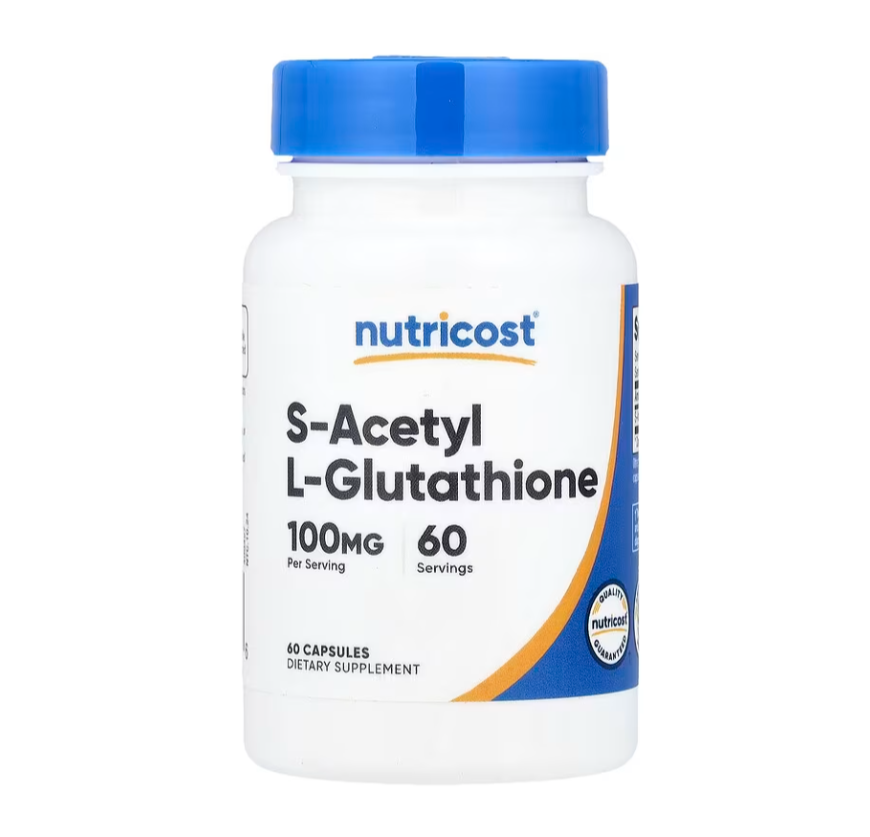
S-Acetyl L-Glutathione is an acetylated form of glutathione, a naturally occurring antioxidant made in the body from the amino acids cysteine, glutamate, and glycine. Glutathione plays an important role in antioxidant defence, redox balance, detoxification pathways, and cellular protection. Direct human research on S-Acetyl L-Glutathione is limited, so the strongest evidence-based description comes from glutathione research more broadly, alongside safety research specific to S-Acetyl Glutathione.
Supports glutathione status and antioxidant defence
Assists cellular protection against oxidative stress
Supports detoxification and redox balance pathways
S-Acetyl L-Glutathione is not a traditional herbal ingredient. It is a modern supplemental form of glutathione developed to support glutathione availability in the body. Glutathione itself is naturally produced within human cells and has been extensively studied for its role in antioxidant protection, detoxification, immune function, and cellular redox balance.
Glutathione is one of the body’s key antioxidant compounds and is involved in cellular redox balance, oxidative stress regulation, and detoxification pathways. A review of dietary nutrients for glutathione support describes glutathione as central to antioxidant defence and cellular health, with nutritional strategies including direct glutathione supplementation and precursors studied for supporting glutathione status.
Human research shows mixed but meaningful findings for oral glutathione supplementation. A 2015 randomised controlled trial found that daily oral glutathione supplementation increased glutathione stores in body compartments over six months, while an earlier 2011 randomised trial in healthy adults did not find significant changes in oxidative stress biomarkers over four weeks. These findings suggest outcomes may depend on dose, duration, formulation, and population studied.
A safety assessment of S-Acetyl Glutathione described it as a glutathione precursor used as a food or dietary ingredient in a bioavailable form to help restore or maintain circulating glutathione levels. The study assessed safety using genotoxicity testing, acute oral toxicity testing, and a 13-week repeated-dose toxicity study.
S-Acetyl L-Glutathione appears to have early safety research as a dietary ingredient, but direct long-term human supplementation data remains limited. Individuals who are pregnant, breastfeeding, taking prescription medications, undergoing chemotherapy, managing liver, kidney, respiratory, immune, metabolic, or chronic health conditions should consult a qualified healthcare professional before use. As with all supplements, use only as directed and seek medical advice before consuming if unsure whether this product is suitable for your individual needs.
Safety assessment of S-Acetyl Glutathione for use in foods and dietary supplements
https://pubmed.ncbi.nlm.nih.gov/39892735/
Randomized controlled trial of oral glutathione supplementation on body stores of glutathione
https://pubmed.ncbi.nlm.nih.gov/24791752/
Effects of oral glutathione supplementation on systemic oxidative stress biomarkers in human volunteers
https://pubmed.ncbi.nlm.nih.gov/21875351/
A Review of Dietary (Phyto)Nutrients for Glutathione Support
https://pmc.ncbi.nlm.nih.gov/articles/PMC6770193/
Glutathione metabolism and its implications for health
https://pubmed.ncbi.nlm.nih.gov/14988435/
S-Acetyl L-Glutathione is an acetylated form of glutathione, a naturally occurring antioxidant made in the body from the amino acids cysteine, glutamate, and glycine. Glutathione plays an important role in antioxidant defence, redox balance, detoxification pathways, and cellular protection. Direct human research on S-Acetyl L-Glutathione is limited, so the strongest evidence-based description comes from glutathione research more broadly, alongside safety research specific to S-Acetyl Glutathione.
Supports glutathione status and antioxidant defence
Assists cellular protection against oxidative stress
Supports detoxification and redox balance pathways
S-Acetyl L-Glutathione is not a traditional herbal ingredient. It is a modern supplemental form of glutathione developed to support glutathione availability in the body. Glutathione itself is naturally produced within human cells and has been extensively studied for its role in antioxidant protection, detoxification, immune function, and cellular redox balance.
Glutathione is one of the body’s key antioxidant compounds and is involved in cellular redox balance, oxidative stress regulation, and detoxification pathways. A review of dietary nutrients for glutathione support describes glutathione as central to antioxidant defence and cellular health, with nutritional strategies including direct glutathione supplementation and precursors studied for supporting glutathione status.
Human research shows mixed but meaningful findings for oral glutathione supplementation. A 2015 randomised controlled trial found that daily oral glutathione supplementation increased glutathione stores in body compartments over six months, while an earlier 2011 randomised trial in healthy adults did not find significant changes in oxidative stress biomarkers over four weeks. These findings suggest outcomes may depend on dose, duration, formulation, and population studied.
A safety assessment of S-Acetyl Glutathione described it as a glutathione precursor used as a food or dietary ingredient in a bioavailable form to help restore or maintain circulating glutathione levels. The study assessed safety using genotoxicity testing, acute oral toxicity testing, and a 13-week repeated-dose toxicity study.
S-Acetyl L-Glutathione appears to have early safety research as a dietary ingredient, but direct long-term human supplementation data remains limited. Individuals who are pregnant, breastfeeding, taking prescription medications, undergoing chemotherapy, managing liver, kidney, respiratory, immune, metabolic, or chronic health conditions should consult a qualified healthcare professional before use. As with all supplements, use only as directed and seek medical advice before consuming if unsure whether this product is suitable for your individual needs.
Safety assessment of S-Acetyl Glutathione for use in foods and dietary supplements
https://pubmed.ncbi.nlm.nih.gov/39892735/
Randomized controlled trial of oral glutathione supplementation on body stores of glutathione
https://pubmed.ncbi.nlm.nih.gov/24791752/
Effects of oral glutathione supplementation on systemic oxidative stress biomarkers in human volunteers
https://pubmed.ncbi.nlm.nih.gov/21875351/
A Review of Dietary (Phyto)Nutrients for Glutathione Support
https://pmc.ncbi.nlm.nih.gov/articles/PMC6770193/
Glutathione metabolism and its implications for health
https://pubmed.ncbi.nlm.nih.gov/14988435/