

 Image 1 of 2
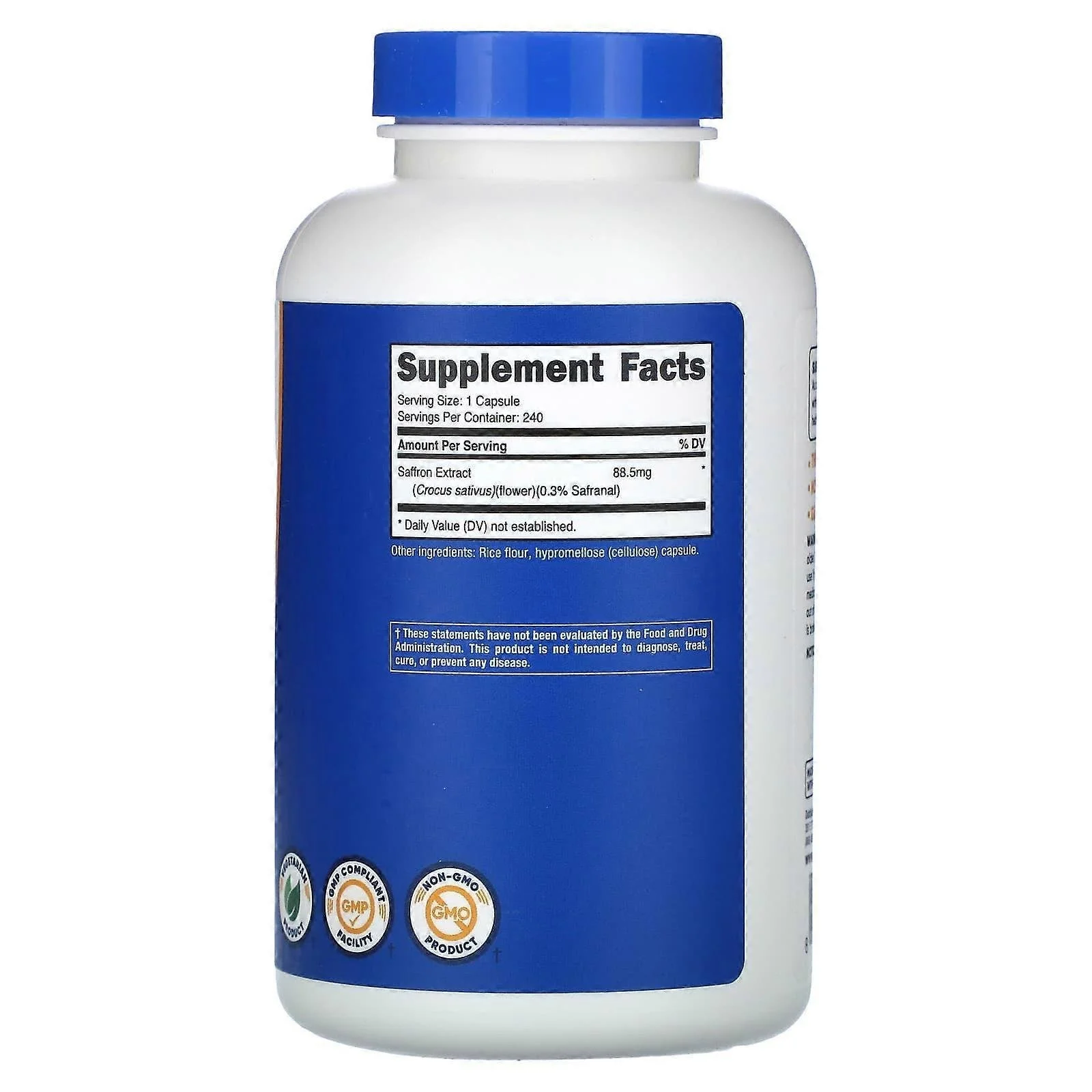 Image 2 of 2
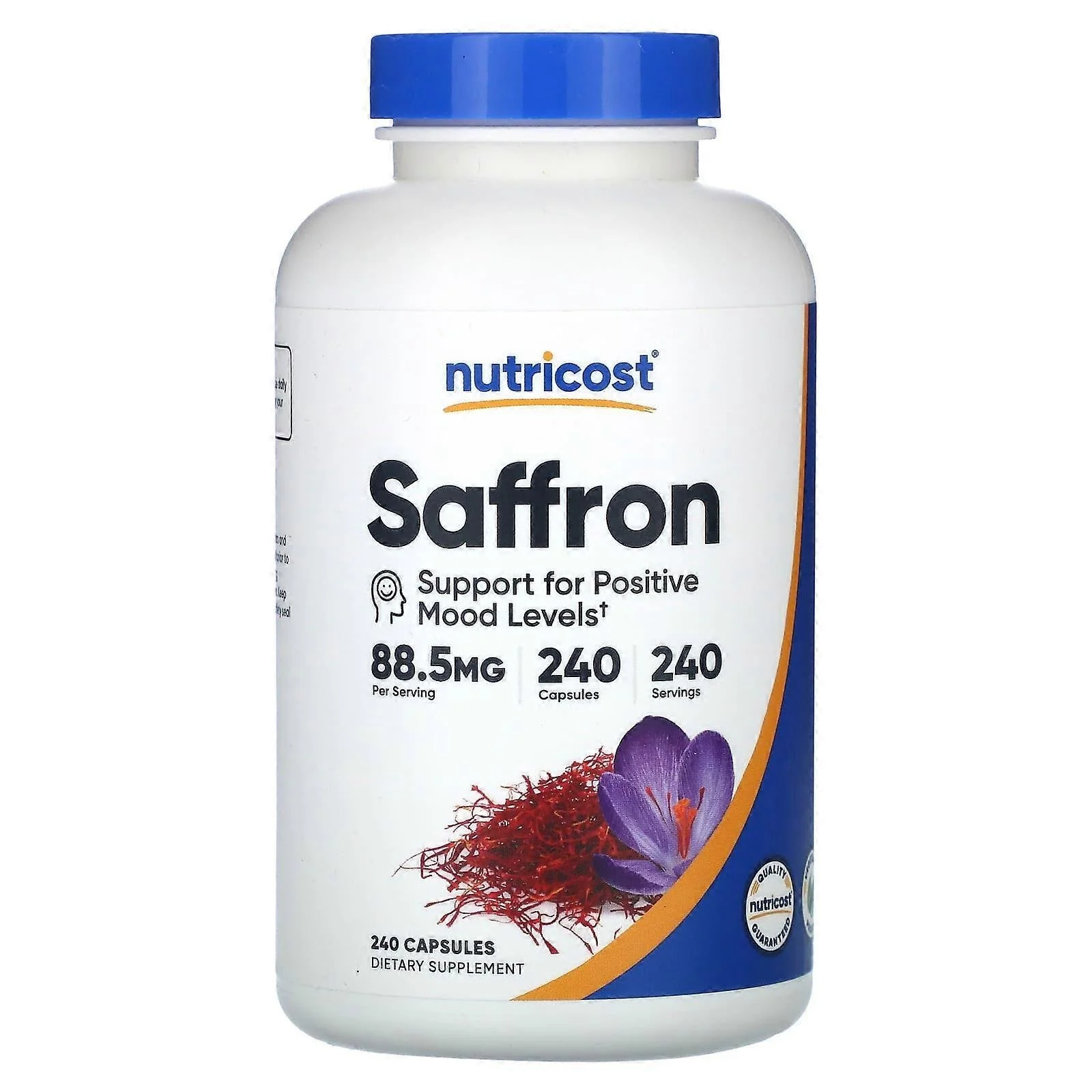
Saffron
Saffron (Crocus sativus) – Mood, Sleep & Cognitive Wellness Support
Saffron is a highly valued botanical derived from the dried red stigmas of the Crocus sativus flower. Traditionally used as both a culinary spice and wellness ingredient, saffron contains natural compounds including crocin, crocetin, and safranal. Human research has most strongly investigated saffron for mood balance, emotional wellbeing, sleep quality, and cognitive function in ageing-related populations.
Potential Health Benefits of Saffron
Supports emotional wellbeing and mood balance
May assist sleep quality in adults with sleep concerns
Supports cognitive function research in ageing-related populations
Further Information
Traditional & Historical Use
Saffron has a long history of use across Persian, Mediterranean, Indian, and Middle Eastern traditions as a culinary spice, natural colouring agent, and botanical wellness ingredient. Traditionally, it has been valued for mood, vitality, menstrual wellbeing, relaxation, and general nourishment. Modern research focuses on standardised saffron extracts and their active compounds, including crocin, crocetin, and safranal.
Mood & Emotional Wellbeing Research
Systematic reviews and meta-analyses of randomised controlled trials have found that saffron supplementation improved depressive symptoms compared with placebo in studied adults, including people with mild-to-moderate major depressive disorder. Some reviews also compared saffron with antidepressant medications in clinical trial settings, with similar effects reported in certain studies. Saffron should not replace professional mental health care or prescribed medication.
Sleep Quality Research
A systematic review of randomised clinical trials found that saffron had beneficial effects on sleep duration and sleep quality. A randomised, double-blind, placebo-controlled trial in adults with self-reported poor sleep also reported improvements in sleep quality after saffron supplementation.
Cognitive Function Research
Saffron has been studied in ageing-related cognitive health research, including mild cognitive impairment and dementia. A systematic review and meta-analysis of randomised clinical trials reported potential improvements in cognitive function and daily living measures in these clinical populations. This evidence relates to studied ageing-related cognitive conditions and should not be interpreted as a general memory-enhancement claim for all healthy adults.
Safety & Considerations
Saffron is generally well tolerated in studied supplemental amounts, but high doses may not be suitable for everyone. Human safety studies of saffron and crocin have reported short-term tolerability in healthy adults, while toxicology reviews note that dose and duration are important safety considerations. Individuals who are pregnant, breastfeeding, taking antidepressant, sedative, blood-thinning, or prescription medications, managing mood disorders, bipolar disorder, bleeding conditions, or any underlying health condition should consult a qualified healthcare professional before use. As with all supplements, use only as directed and seek medical advice before consuming if unsure whether this product is suitable for your individual needs.
References
Saffron (Crocus sativus) for depression: a systematic review of clinical studies and examination of underlying antidepressant mechanisms of action
https://pubmed.ncbi.nlm.nih.gov/25384672/The efficacy of Crocus sativus (Saffron) versus placebo and Fluoxetine in treating depression: a systematic review and meta-analysis
https://pmc.ncbi.nlm.nih.gov/articles/PMC6503633/Comparative efficacy and safety of Crocus sativus L. for treating mild to moderate major depressive disorder in adults: a meta-analysis of randomized controlled trials
https://pmc.ncbi.nlm.nih.gov/articles/PMC5967372/Saffron and Sleep Quality: A Systematic Review of Randomized Clinical Trials
https://pubmed.ncbi.nlm.nih.gov/37484523/Effects of saffron on sleep quality in healthy adults with self-reported poor sleep: a randomized, double-blind, placebo-controlled trial
https://pubmed.ncbi.nlm.nih.gov/32056539/Saffron for mild cognitive impairment and dementia: a systematic review and meta-analysis of randomized clinical trials
https://pubmed.ncbi.nlm.nih.gov/33167948/Effects of saffron (Crocus sativus L.) on cognitive function: a systematic review of randomized controlled trials
https://pmc.ncbi.nlm.nih.gov/articles/PMC7484083/Safety Evaluation of Crocin Tablets in Healthy Volunteers
https://pubmed.ncbi.nlm.nih.gov/23638291/Safety evaluation of saffron (Crocus sativus) tablets in healthy volunteers
https://pubmed.ncbi.nlm.nih.gov/18693099/
Saffron (Crocus sativus) – Mood, Sleep & Cognitive Wellness Support
Saffron is a highly valued botanical derived from the dried red stigmas of the Crocus sativus flower. Traditionally used as both a culinary spice and wellness ingredient, saffron contains natural compounds including crocin, crocetin, and safranal. Human research has most strongly investigated saffron for mood balance, emotional wellbeing, sleep quality, and cognitive function in ageing-related populations.
Potential Health Benefits of Saffron
Supports emotional wellbeing and mood balance
May assist sleep quality in adults with sleep concerns
Supports cognitive function research in ageing-related populations
Further Information
Traditional & Historical Use
Saffron has a long history of use across Persian, Mediterranean, Indian, and Middle Eastern traditions as a culinary spice, natural colouring agent, and botanical wellness ingredient. Traditionally, it has been valued for mood, vitality, menstrual wellbeing, relaxation, and general nourishment. Modern research focuses on standardised saffron extracts and their active compounds, including crocin, crocetin, and safranal.
Mood & Emotional Wellbeing Research
Systematic reviews and meta-analyses of randomised controlled trials have found that saffron supplementation improved depressive symptoms compared with placebo in studied adults, including people with mild-to-moderate major depressive disorder. Some reviews also compared saffron with antidepressant medications in clinical trial settings, with similar effects reported in certain studies. Saffron should not replace professional mental health care or prescribed medication.
Sleep Quality Research
A systematic review of randomised clinical trials found that saffron had beneficial effects on sleep duration and sleep quality. A randomised, double-blind, placebo-controlled trial in adults with self-reported poor sleep also reported improvements in sleep quality after saffron supplementation.
Cognitive Function Research
Saffron has been studied in ageing-related cognitive health research, including mild cognitive impairment and dementia. A systematic review and meta-analysis of randomised clinical trials reported potential improvements in cognitive function and daily living measures in these clinical populations. This evidence relates to studied ageing-related cognitive conditions and should not be interpreted as a general memory-enhancement claim for all healthy adults.
Safety & Considerations
Saffron is generally well tolerated in studied supplemental amounts, but high doses may not be suitable for everyone. Human safety studies of saffron and crocin have reported short-term tolerability in healthy adults, while toxicology reviews note that dose and duration are important safety considerations. Individuals who are pregnant, breastfeeding, taking antidepressant, sedative, blood-thinning, or prescription medications, managing mood disorders, bipolar disorder, bleeding conditions, or any underlying health condition should consult a qualified healthcare professional before use. As with all supplements, use only as directed and seek medical advice before consuming if unsure whether this product is suitable for your individual needs.
References
Saffron (Crocus sativus) for depression: a systematic review of clinical studies and examination of underlying antidepressant mechanisms of action
https://pubmed.ncbi.nlm.nih.gov/25384672/The efficacy of Crocus sativus (Saffron) versus placebo and Fluoxetine in treating depression: a systematic review and meta-analysis
https://pmc.ncbi.nlm.nih.gov/articles/PMC6503633/Comparative efficacy and safety of Crocus sativus L. for treating mild to moderate major depressive disorder in adults: a meta-analysis of randomized controlled trials
https://pmc.ncbi.nlm.nih.gov/articles/PMC5967372/Saffron and Sleep Quality: A Systematic Review of Randomized Clinical Trials
https://pubmed.ncbi.nlm.nih.gov/37484523/Effects of saffron on sleep quality in healthy adults with self-reported poor sleep: a randomized, double-blind, placebo-controlled trial
https://pubmed.ncbi.nlm.nih.gov/32056539/Saffron for mild cognitive impairment and dementia: a systematic review and meta-analysis of randomized clinical trials
https://pubmed.ncbi.nlm.nih.gov/33167948/Effects of saffron (Crocus sativus L.) on cognitive function: a systematic review of randomized controlled trials
https://pmc.ncbi.nlm.nih.gov/articles/PMC7484083/Safety Evaluation of Crocin Tablets in Healthy Volunteers
https://pubmed.ncbi.nlm.nih.gov/23638291/Safety evaluation of saffron (Crocus sativus) tablets in healthy volunteers
https://pubmed.ncbi.nlm.nih.gov/18693099/