

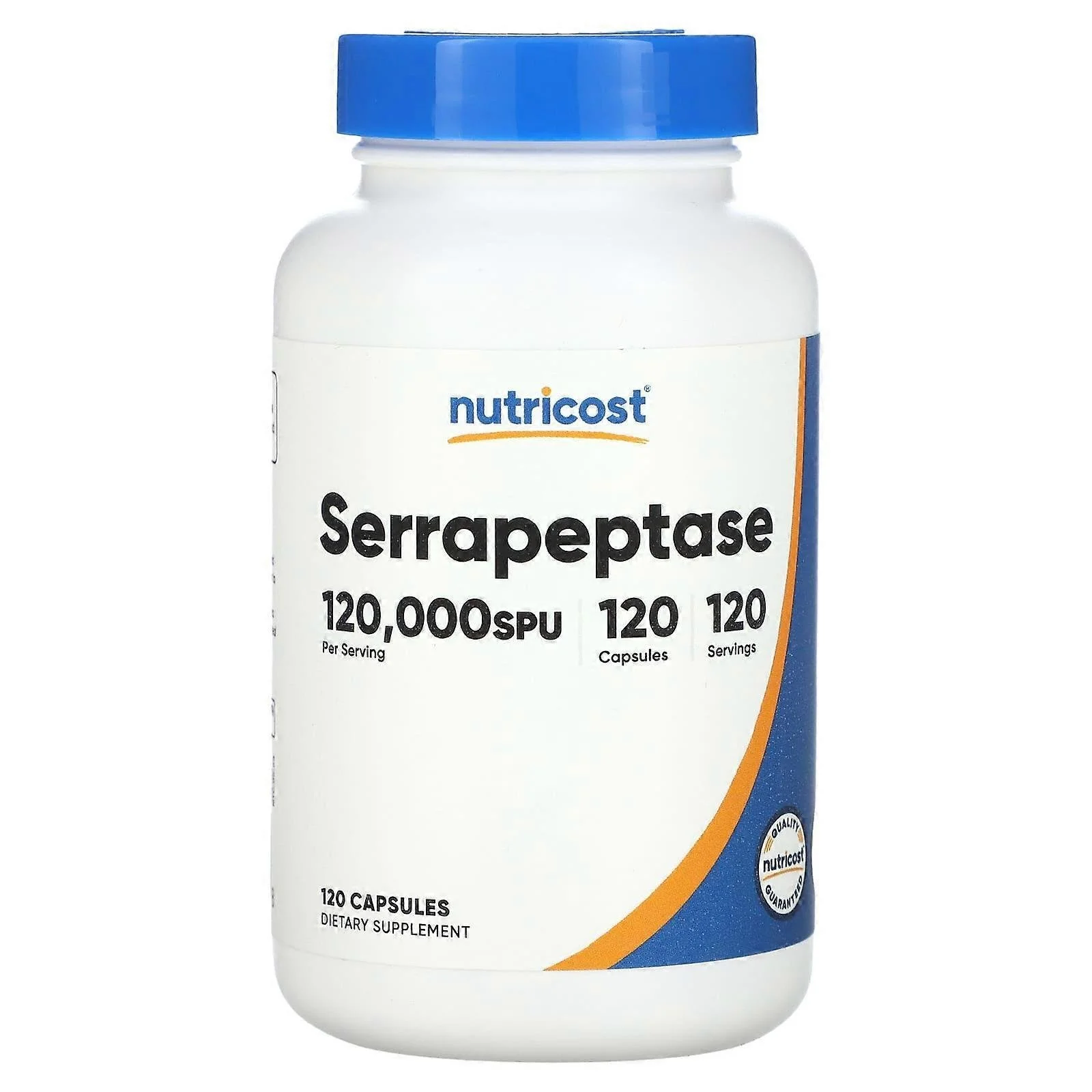
 Image 1 of 2
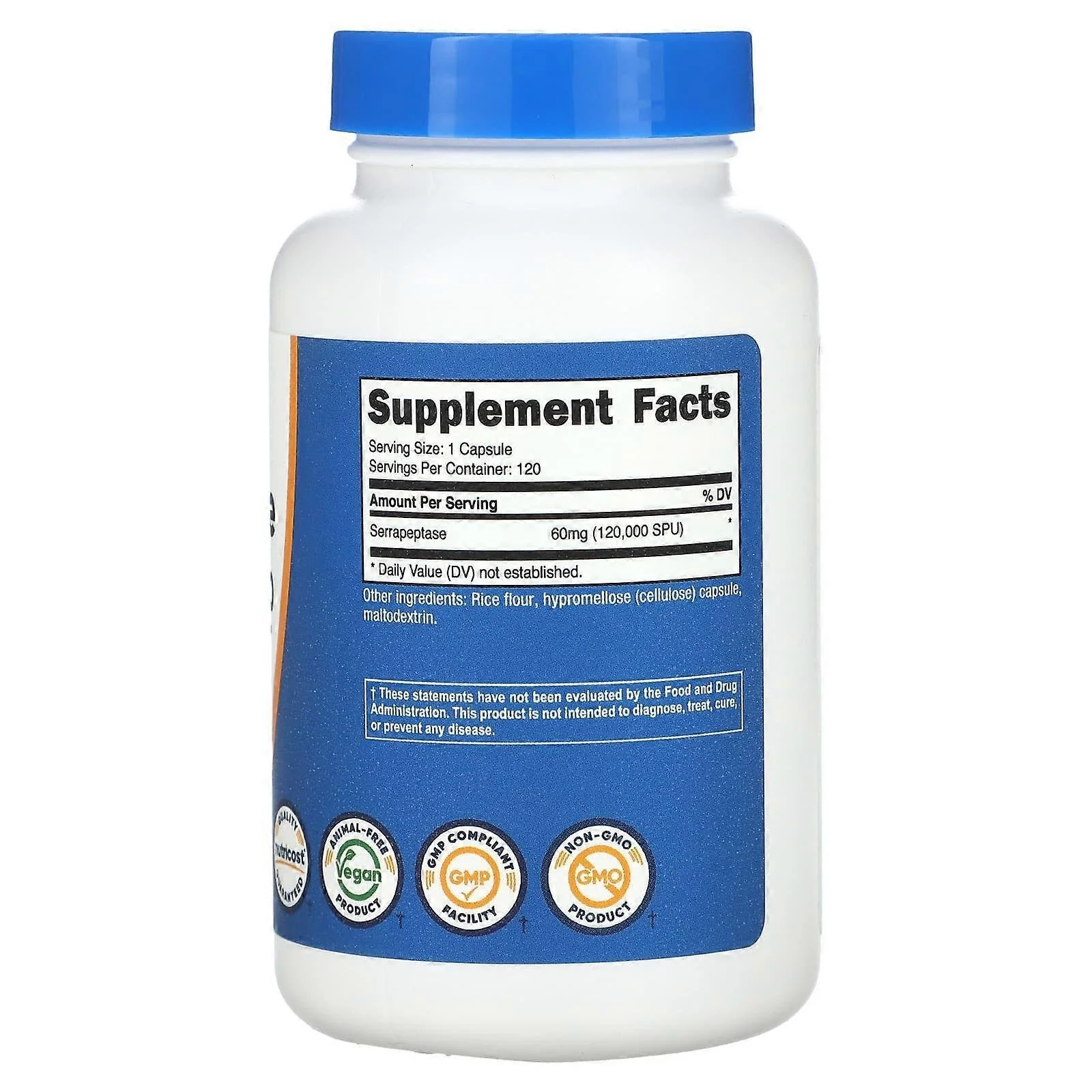 Image 2 of 2
Serrapeptase, also known as serratiopeptidase, is a proteolytic enzyme originally derived from Serratia bacteria. It has been studied for its role in supporting recovery from swelling, inflammation, and restricted movement in specific short-term clinical settings, particularly after dental surgery and in acute injury research. Human evidence is most relevant to postoperative swelling and trismus, while broader claims around pain relief, cardiovascular health, “scar tissue,” or general systemic inflammation are not well established.
May support short-term swelling and recovery in studied clinical settings
Supports postoperative trismus and facial swelling research
Assists proteolytic enzyme research related to inflammatory recovery
Serrapeptase is not a traditional herbal medicine. It is a modern enzyme compound originally isolated from Serratia species and later investigated for clinical use in swelling, inflammation, and postoperative recovery. Its supplement use is based on proteolytic enzyme research rather than long-standing traditional dietary or botanical use.
Human clinical studies have investigated serratiopeptidase after impacted third molar surgery. A randomised clinical trial found that serratiopeptidase improved postoperative trismus and swelling after removal of impacted lower third molars. Another study reported effects on swelling, pain, and trismus after mandibular third molar surgery, although findings across dental studies are not completely consistent.
A systematic review of serratiopeptidase found that it has been used for anti-inflammatory, anti-oedemic, and analgesic purposes, but concluded that the existing scientific evidence was insufficient to support its use as an analgesic or general health supplement. The review also noted a lack of long-term safety data.
A 2024 study in ankle sprain cases reported that serrapeptase reduced ankle joint oedema more than paracetamol over the study period, while pain improvement did not differ significantly between groups. This research relates to short-term swelling outcomes in a specific injury context.
Serrapeptase has limited long-term safety data, and individual suitability may vary. It may not be appropriate for people who are pregnant, breastfeeding, preparing for surgery, taking blood-thinning, antiplatelet, anti-inflammatory, antibiotic, immune-related, or prescription medications, or managing bleeding disorders, ulcers, infection, respiratory conditions, liver or kidney disease, or any underlying medical condition. As with all supplements, use only as directed and seek medical advice before consuming if unsure whether this product is suitable for your individual needs.
Serratiopeptidase: a systematic review of the existing evidence
https://pubmed.ncbi.nlm.nih.gov/23380245/
Efficacy of serratiopeptidase after impacted third molar surgery
https://pubmed.ncbi.nlm.nih.gov/33653320/
Efficacy of serratiopeptidase after impacted third molar surgery — PMC full text
https://pmc.ncbi.nlm.nih.gov/articles/PMC7927242/
Effect of the proteolytic enzyme serrapeptase on swelling, pain and trismus after surgical extraction of mandibular third molars
https://pubmed.ncbi.nlm.nih.gov/18272344/
Efficacy and safety of serrapeptase on ankle sprain cases
https://pubmed.ncbi.nlm.nih.gov/39324023/
Efficacy and safety of serrapeptase on ankle sprain cases — PMC full text
https://pmc.ncbi.nlm.nih.gov/articles/PMC11419880/
Serratiopeptidase: Insights into the therapeutic applications
https://pubmed.ncbi.nlm.nih.gov/33134103/
Serrapeptase, also known as serratiopeptidase, is a proteolytic enzyme originally derived from Serratia bacteria. It has been studied for its role in supporting recovery from swelling, inflammation, and restricted movement in specific short-term clinical settings, particularly after dental surgery and in acute injury research. Human evidence is most relevant to postoperative swelling and trismus, while broader claims around pain relief, cardiovascular health, “scar tissue,” or general systemic inflammation are not well established.
May support short-term swelling and recovery in studied clinical settings
Supports postoperative trismus and facial swelling research
Assists proteolytic enzyme research related to inflammatory recovery
Serrapeptase is not a traditional herbal medicine. It is a modern enzyme compound originally isolated from Serratia species and later investigated for clinical use in swelling, inflammation, and postoperative recovery. Its supplement use is based on proteolytic enzyme research rather than long-standing traditional dietary or botanical use.
Human clinical studies have investigated serratiopeptidase after impacted third molar surgery. A randomised clinical trial found that serratiopeptidase improved postoperative trismus and swelling after removal of impacted lower third molars. Another study reported effects on swelling, pain, and trismus after mandibular third molar surgery, although findings across dental studies are not completely consistent.
A systematic review of serratiopeptidase found that it has been used for anti-inflammatory, anti-oedemic, and analgesic purposes, but concluded that the existing scientific evidence was insufficient to support its use as an analgesic or general health supplement. The review also noted a lack of long-term safety data.
A 2024 study in ankle sprain cases reported that serrapeptase reduced ankle joint oedema more than paracetamol over the study period, while pain improvement did not differ significantly between groups. This research relates to short-term swelling outcomes in a specific injury context.
Serrapeptase has limited long-term safety data, and individual suitability may vary. It may not be appropriate for people who are pregnant, breastfeeding, preparing for surgery, taking blood-thinning, antiplatelet, anti-inflammatory, antibiotic, immune-related, or prescription medications, or managing bleeding disorders, ulcers, infection, respiratory conditions, liver or kidney disease, or any underlying medical condition. As with all supplements, use only as directed and seek medical advice before consuming if unsure whether this product is suitable for your individual needs.
Serratiopeptidase: a systematic review of the existing evidence
https://pubmed.ncbi.nlm.nih.gov/23380245/
Efficacy of serratiopeptidase after impacted third molar surgery
https://pubmed.ncbi.nlm.nih.gov/33653320/
Efficacy of serratiopeptidase after impacted third molar surgery — PMC full text
https://pmc.ncbi.nlm.nih.gov/articles/PMC7927242/
Effect of the proteolytic enzyme serrapeptase on swelling, pain and trismus after surgical extraction of mandibular third molars
https://pubmed.ncbi.nlm.nih.gov/18272344/
Efficacy and safety of serrapeptase on ankle sprain cases
https://pubmed.ncbi.nlm.nih.gov/39324023/
Efficacy and safety of serrapeptase on ankle sprain cases — PMC full text
https://pmc.ncbi.nlm.nih.gov/articles/PMC11419880/
Serratiopeptidase: Insights into the therapeutic applications
https://pubmed.ncbi.nlm.nih.gov/33134103/