

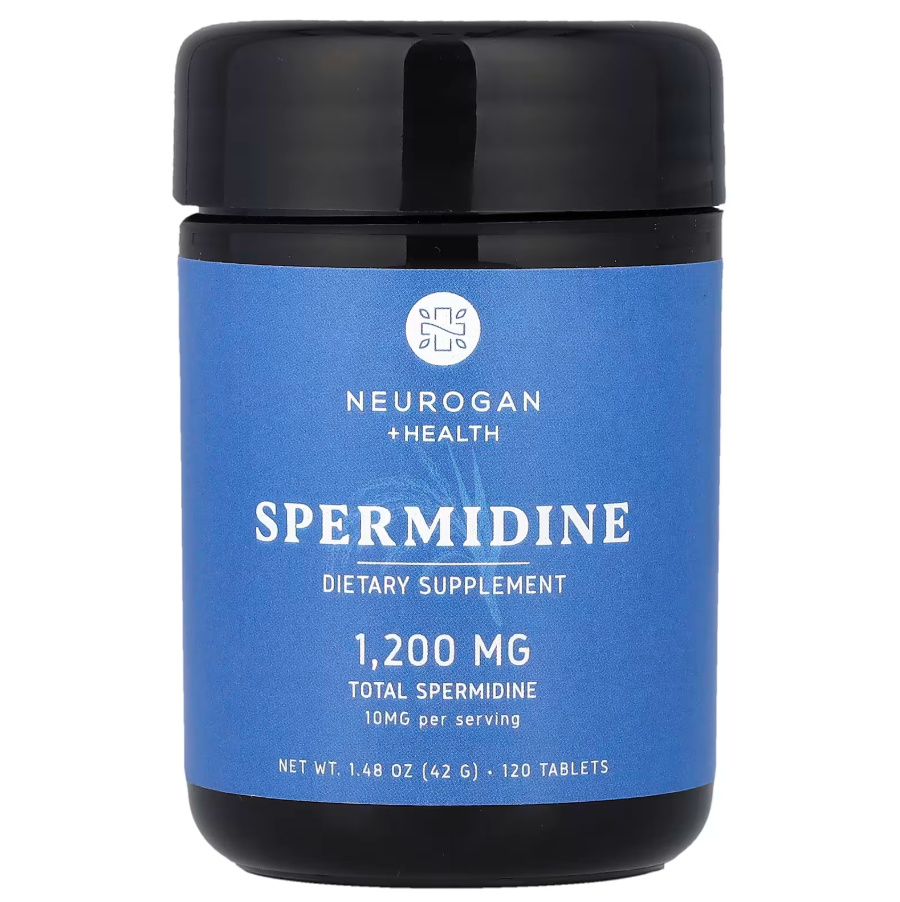
 Image 1 of 2
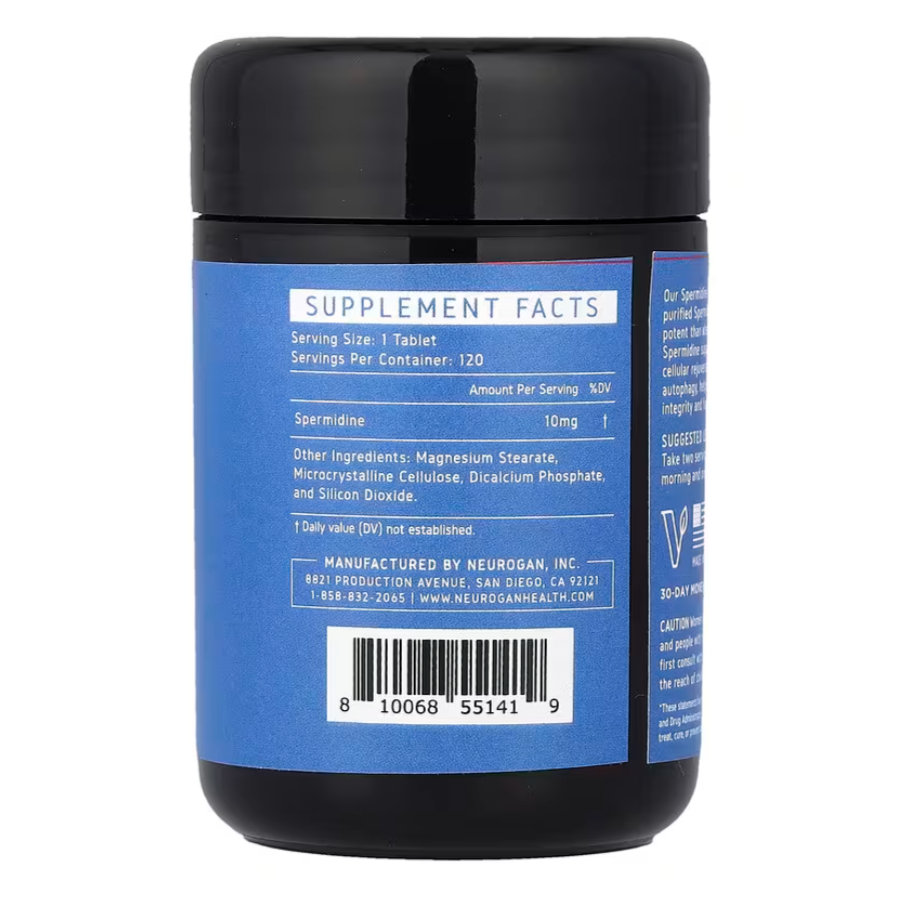 Image 2 of 2
Spermidine
Spermidine – Cellular Ageing & Cognitive Wellness Support
Spermidine is a naturally occurring polyamine found in the body and in foods such as wheat germ, soybeans, legumes, mushrooms, aged cheese, and whole grains. It plays a role in normal cellular processes, including cell growth, gene regulation, and autophagy, which is the body’s natural cellular clean-up process. Human research has investigated spermidine for healthy ageing, cognitive function, dietary intake patterns, and safety, with the strongest evidence currently coming from observational nutrition studies and early clinical trials in older adults.
Potential Health Benefits of Spermidine
Supports healthy ageing and cellular wellness research
May assist cognitive function research in older adults
Supports autophagy and cellular renewal pathways
Further Information
Traditional & Historical Use
Spermidine is not a traditional herbal medicine. It is a naturally occurring compound found in human cells and in many everyday foods, particularly plant-based and fermented foods. Its modern supplement use has developed from research into cellular ageing, dietary polyamines, autophagy, cardiovascular health, and cognitive function.
Healthy Ageing & Dietary Intake Research
Human observational research has linked higher dietary spermidine intake with lower all-cause mortality. A large population-based study found that higher spermidine intake from food was associated with increased survival in humans, while later research also reported associations between dietary spermidine intake and reduced cardiovascular disease and all-cause mortality risk. These studies show associations from dietary intake patterns and do not prove that spermidine supplements directly extend lifespan.
Cognitive Function Research
Spermidine has been studied in older adults with subjective cognitive decline. A pilot trial reported a positive association between nutritional spermidine and memory performance, while a larger 12-month randomised clinical trial found that spermidine supplementation did not significantly improve the primary memory outcome compared with placebo, although exploratory analyses suggested possible effects on verbal memory and inflammation.
Autophagy & Cellular Renewal Research
Spermidine has been reviewed as a naturally occurring compound involved in autophagy, cellular stress responses, and ageing-related biological pathways. Much of the autophagy research comes from cell, animal, and mechanistic studies, while human work is still developing. This makes spermidine most appropriate as a cellular wellness ingredient with growing research interest rather than a guaranteed longevity product.
Safety & Tolerability Research
Human safety research has investigated both spermidine-rich plant extracts and higher-dose purified spermidine. A safety and tolerability study reported that spermidine-rich plant extract was well tolerated in older adults, while a 2024 human study found that 40 mg/day high-purity spermidine trihydrochloride had minimal impact on biomarkers of safety over the study period.
Safety & Considerations
Spermidine is naturally present in foods and the human body, but concentrated supplements may not be suitable for everyone. Human supplementation studies are still relatively limited, and effects may vary depending on dose, supplement form, diet, age, and health status. Individuals who are pregnant, breastfeeding, taking prescription medications, undergoing cancer treatment, managing immune conditions, neurological conditions, kidney disease, liver disease, cardiovascular disease, or any underlying health condition should consult a qualified healthcare professional before use. As with all supplements, use only as directed and seek medical advice before consuming if unsure whether this product is suitable for your individual needs.
References
Spermidine: a physiological autophagy inducer acting as an anti-aging vitamin in humans?
https://pmc.ncbi.nlm.nih.gov/articles/PMC6287690/Higher spermidine intake is linked to lower mortality
https://pubmed.ncbi.nlm.nih.gov/29955838/The association of dietary spermidine with all-cause mortality and cardiovascular disease mortality
https://pubmed.ncbi.nlm.nih.gov/36249217/The Association of Dietary Polyamines with Mortality and the Incidence of Cardiovascular Disease
https://pubmed.ncbi.nlm.nih.gov/39770955/The effect of spermidine on memory performance in older adults at risk for dementia: A randomized controlled trial
https://pubmed.ncbi.nlm.nih.gov/30388439/Effects of Spermidine Supplementation on Cognition and Biomarkers in Older Adults With Subjective Cognitive Decline: A Randomized Clinical Trial
https://pubmed.ncbi.nlm.nih.gov/35616942/Safety and tolerability of spermidine supplementation in mice and older adults with subjective cognitive decline
https://pmc.ncbi.nlm.nih.gov/articles/PMC5807086/Supplementation of spermidine at 40 mg/day has minimal impact on clinical and routine biomarkers in a randomized controlled trial
https://pubmed.ncbi.nlm.nih.gov/39405978/
Spermidine – Cellular Ageing & Cognitive Wellness Support
Spermidine is a naturally occurring polyamine found in the body and in foods such as wheat germ, soybeans, legumes, mushrooms, aged cheese, and whole grains. It plays a role in normal cellular processes, including cell growth, gene regulation, and autophagy, which is the body’s natural cellular clean-up process. Human research has investigated spermidine for healthy ageing, cognitive function, dietary intake patterns, and safety, with the strongest evidence currently coming from observational nutrition studies and early clinical trials in older adults.
Potential Health Benefits of Spermidine
Supports healthy ageing and cellular wellness research
May assist cognitive function research in older adults
Supports autophagy and cellular renewal pathways
Further Information
Traditional & Historical Use
Spermidine is not a traditional herbal medicine. It is a naturally occurring compound found in human cells and in many everyday foods, particularly plant-based and fermented foods. Its modern supplement use has developed from research into cellular ageing, dietary polyamines, autophagy, cardiovascular health, and cognitive function.
Healthy Ageing & Dietary Intake Research
Human observational research has linked higher dietary spermidine intake with lower all-cause mortality. A large population-based study found that higher spermidine intake from food was associated with increased survival in humans, while later research also reported associations between dietary spermidine intake and reduced cardiovascular disease and all-cause mortality risk. These studies show associations from dietary intake patterns and do not prove that spermidine supplements directly extend lifespan.
Cognitive Function Research
Spermidine has been studied in older adults with subjective cognitive decline. A pilot trial reported a positive association between nutritional spermidine and memory performance, while a larger 12-month randomised clinical trial found that spermidine supplementation did not significantly improve the primary memory outcome compared with placebo, although exploratory analyses suggested possible effects on verbal memory and inflammation.
Autophagy & Cellular Renewal Research
Spermidine has been reviewed as a naturally occurring compound involved in autophagy, cellular stress responses, and ageing-related biological pathways. Much of the autophagy research comes from cell, animal, and mechanistic studies, while human work is still developing. This makes spermidine most appropriate as a cellular wellness ingredient with growing research interest rather than a guaranteed longevity product.
Safety & Tolerability Research
Human safety research has investigated both spermidine-rich plant extracts and higher-dose purified spermidine. A safety and tolerability study reported that spermidine-rich plant extract was well tolerated in older adults, while a 2024 human study found that 40 mg/day high-purity spermidine trihydrochloride had minimal impact on biomarkers of safety over the study period.
Safety & Considerations
Spermidine is naturally present in foods and the human body, but concentrated supplements may not be suitable for everyone. Human supplementation studies are still relatively limited, and effects may vary depending on dose, supplement form, diet, age, and health status. Individuals who are pregnant, breastfeeding, taking prescription medications, undergoing cancer treatment, managing immune conditions, neurological conditions, kidney disease, liver disease, cardiovascular disease, or any underlying health condition should consult a qualified healthcare professional before use. As with all supplements, use only as directed and seek medical advice before consuming if unsure whether this product is suitable for your individual needs.
References
Spermidine: a physiological autophagy inducer acting as an anti-aging vitamin in humans?
https://pmc.ncbi.nlm.nih.gov/articles/PMC6287690/Higher spermidine intake is linked to lower mortality
https://pubmed.ncbi.nlm.nih.gov/29955838/The association of dietary spermidine with all-cause mortality and cardiovascular disease mortality
https://pubmed.ncbi.nlm.nih.gov/36249217/The Association of Dietary Polyamines with Mortality and the Incidence of Cardiovascular Disease
https://pubmed.ncbi.nlm.nih.gov/39770955/The effect of spermidine on memory performance in older adults at risk for dementia: A randomized controlled trial
https://pubmed.ncbi.nlm.nih.gov/30388439/Effects of Spermidine Supplementation on Cognition and Biomarkers in Older Adults With Subjective Cognitive Decline: A Randomized Clinical Trial
https://pubmed.ncbi.nlm.nih.gov/35616942/Safety and tolerability of spermidine supplementation in mice and older adults with subjective cognitive decline
https://pmc.ncbi.nlm.nih.gov/articles/PMC5807086/Supplementation of spermidine at 40 mg/day has minimal impact on clinical and routine biomarkers in a randomized controlled trial
https://pubmed.ncbi.nlm.nih.gov/39405978/