

 Image 1 of 2
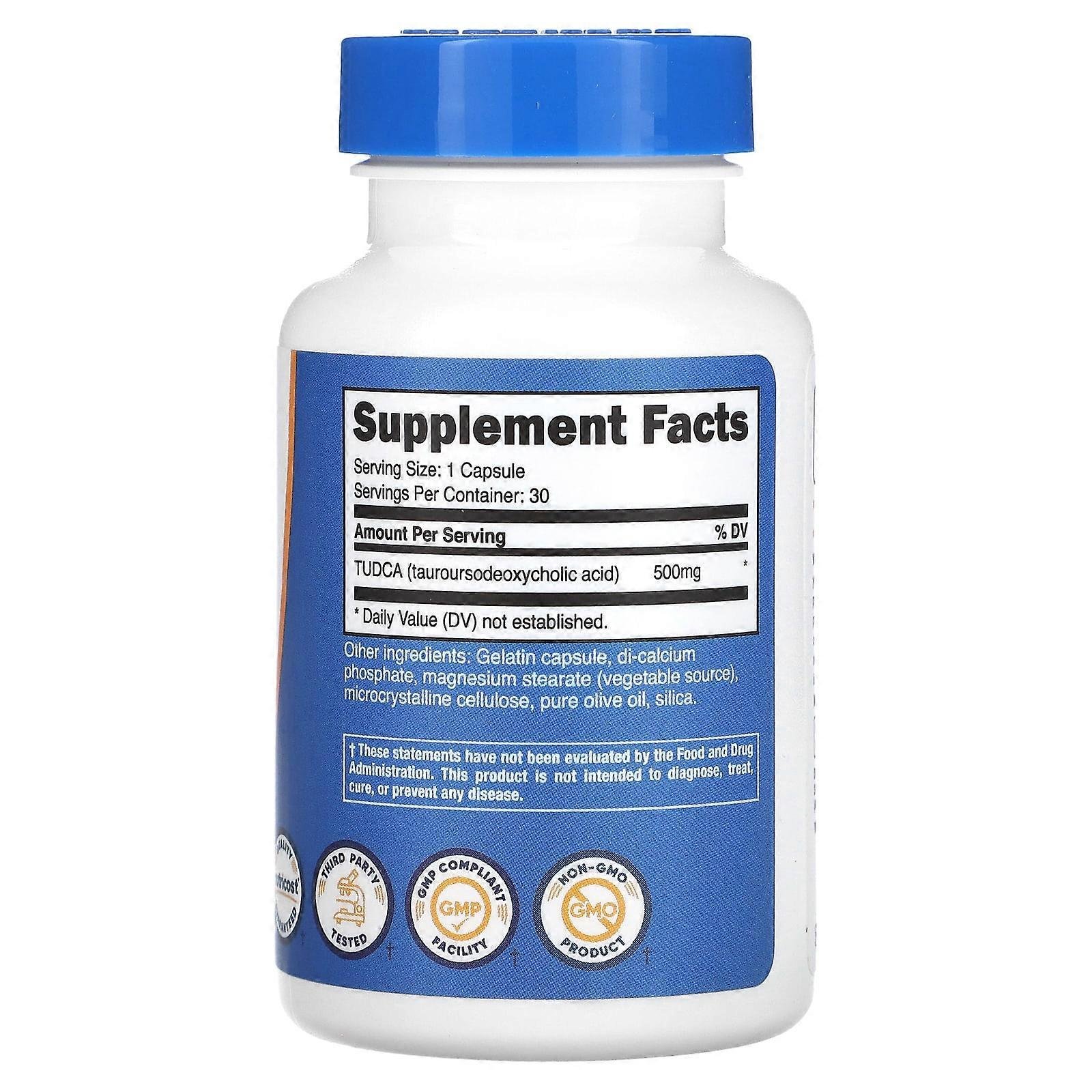 Image 2 of 2
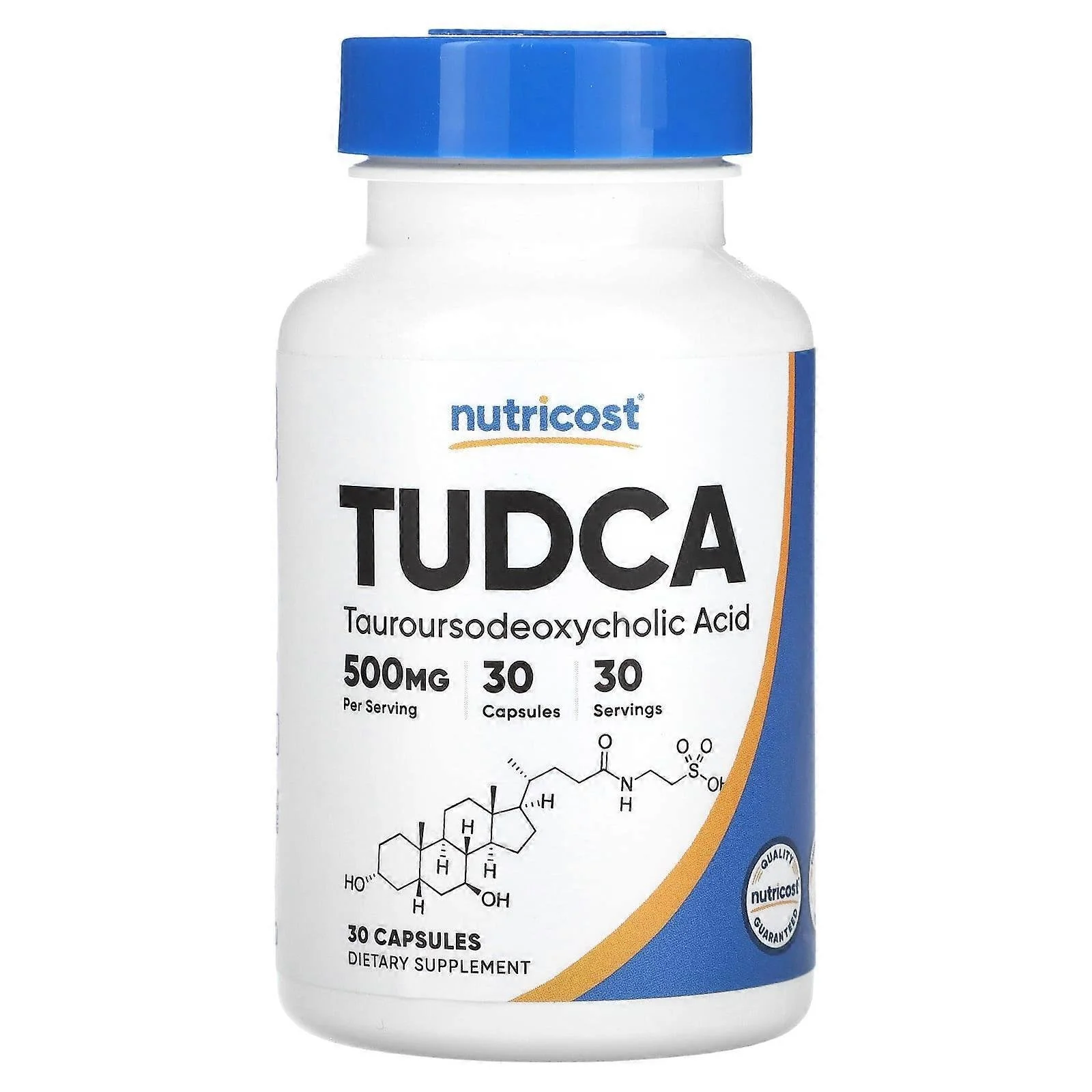
Tudca
TUDCA (Tauroursodeoxycholic Acid) – Bile Acid & Liver Wellness Support
TUDCA, short for tauroursodeoxycholic acid, is a bile acid naturally related to UDCA, a compound involved in bile flow and liver function. In supplement form, TUDCA is often used for liver and bile acid support. Human research has mainly studied TUDCA in clinical liver and metabolic contexts, including primary biliary cholangitis, bile acid metabolism, liver biochemistry, and insulin sensitivity in obese insulin-resistant adults.
Potential Health Benefits of TUDCA
Supports bile acid balance and bile flow research
May assist liver enzyme and biochemical marker support in studied clinical populations
Supports metabolic research related to liver and muscle insulin sensitivity
Further Information
Traditional & Historical Use
TUDCA is a modern supplemental bile acid compound closely related to UDCA, which has a long history of clinical use in cholestatic liver conditions. TUDCA has also been described in scientific literature as a hydrophilic bile acid with historical relevance in traditional Chinese medicine. Modern research has focused on bile acid metabolism, cholestatic liver conditions, liver enzyme markers, endoplasmic reticulum stress, and cellular stress-response pathways.
Bile Acid & Liver Function Research
A multicentre, randomised, double-blind clinical trial compared TUDCA with UDCA in Chinese patients with primary biliary cholangitis and evaluated changes in liver biochemical markers and safety outcomes. This research relates to a specific clinical liver condition and provides evidence for TUDCA’s role in bile acid and liver biochemistry research.
Cholestatic Liver Research
Clinical studies have investigated TUDCA in primary biliary cirrhosis, now commonly referred to as primary biliary cholangitis. One dose-response study evaluated TUDCA over long-term use in this population, while another study assessed how orally administered TUDCA was metabolised and how it affected the bile acid pool. These findings are specific to clinical cholestatic liver research rather than general “detox” claims.
Metabolic & Insulin Sensitivity Research
A human study in obese men and women found that TUDCA improved liver and muscle insulin sensitivity, but did not improve adipose tissue insulin sensitivity. This research is specific to obese insulin-resistant adults and relates to metabolic function in studied populations, not general weight loss or glucose-control claims.
Cellular Stress Response Research
TUDCA has been reviewed for its activity as a bile acid with chemical chaperone properties, particularly in relation to endoplasmic reticulum stress, apoptosis, and cellular protection pathways. Much of this area remains mechanistic or preclinical, but it helps explain why TUDCA is studied in liver, metabolic, and cellular stress-response research.
Safety & Considerations
TUDCA has been studied in clinical liver and metabolic contexts, but suitability depends on the individual, dose, product quality, and health status. Individuals who are pregnant, breastfeeding, taking prescription medications, using bile acid therapies, or managing liver, gallbladder, bile duct, gastrointestinal, kidney, metabolic, or cardiovascular conditions should consult a qualified healthcare professional before use. As with all supplements, use only as directed and seek medical advice before consuming if unsure whether this product is suitable for your individual needs.
References
A multicenter, randomized, double-blind trial comparing the efficacy and safety of TUDCA and UDCA in Chinese patients with primary biliary cholangitis
https://pubmed.ncbi.nlm.nih.gov/27893675/A multicenter, randomized, double-blind trial comparing TUDCA and UDCA — PMC full text
https://pmc.ncbi.nlm.nih.gov/articles/PMC5134868/Tauroursodeoxycholic acid for treatment of primary biliary cirrhosis
https://pubmed.ncbi.nlm.nih.gov/8674405/Metabolism of orally administered tauroursodeoxycholic acid in patients with primary biliary cirrhosis
https://pubmed.ncbi.nlm.nih.gov/8675100/Tauroursodeoxycholic Acid May Improve Liver and Muscle but Not Adipose Tissue Insulin Sensitivity in Obese Men and Women
https://pubmed.ncbi.nlm.nih.gov/20522594/Tauroursodeoxycholic Acid May Improve Liver and Muscle but Not Adipose Tissue Insulin Sensitivity — PMC full text
https://pmc.ncbi.nlm.nih.gov/articles/PMC2911053/Tauroursodeoxycholate—Bile Acid with Chaperoning Activity
https://pubmed.ncbi.nlm.nih.gov/31757001/
TUDCA (Tauroursodeoxycholic Acid) – Bile Acid & Liver Wellness Support
TUDCA, short for tauroursodeoxycholic acid, is a bile acid naturally related to UDCA, a compound involved in bile flow and liver function. In supplement form, TUDCA is often used for liver and bile acid support. Human research has mainly studied TUDCA in clinical liver and metabolic contexts, including primary biliary cholangitis, bile acid metabolism, liver biochemistry, and insulin sensitivity in obese insulin-resistant adults.
Potential Health Benefits of TUDCA
Supports bile acid balance and bile flow research
May assist liver enzyme and biochemical marker support in studied clinical populations
Supports metabolic research related to liver and muscle insulin sensitivity
Further Information
Traditional & Historical Use
TUDCA is a modern supplemental bile acid compound closely related to UDCA, which has a long history of clinical use in cholestatic liver conditions. TUDCA has also been described in scientific literature as a hydrophilic bile acid with historical relevance in traditional Chinese medicine. Modern research has focused on bile acid metabolism, cholestatic liver conditions, liver enzyme markers, endoplasmic reticulum stress, and cellular stress-response pathways.
Bile Acid & Liver Function Research
A multicentre, randomised, double-blind clinical trial compared TUDCA with UDCA in Chinese patients with primary biliary cholangitis and evaluated changes in liver biochemical markers and safety outcomes. This research relates to a specific clinical liver condition and provides evidence for TUDCA’s role in bile acid and liver biochemistry research.
Cholestatic Liver Research
Clinical studies have investigated TUDCA in primary biliary cirrhosis, now commonly referred to as primary biliary cholangitis. One dose-response study evaluated TUDCA over long-term use in this population, while another study assessed how orally administered TUDCA was metabolised and how it affected the bile acid pool. These findings are specific to clinical cholestatic liver research rather than general “detox” claims.
Metabolic & Insulin Sensitivity Research
A human study in obese men and women found that TUDCA improved liver and muscle insulin sensitivity, but did not improve adipose tissue insulin sensitivity. This research is specific to obese insulin-resistant adults and relates to metabolic function in studied populations, not general weight loss or glucose-control claims.
Cellular Stress Response Research
TUDCA has been reviewed for its activity as a bile acid with chemical chaperone properties, particularly in relation to endoplasmic reticulum stress, apoptosis, and cellular protection pathways. Much of this area remains mechanistic or preclinical, but it helps explain why TUDCA is studied in liver, metabolic, and cellular stress-response research.
Safety & Considerations
TUDCA has been studied in clinical liver and metabolic contexts, but suitability depends on the individual, dose, product quality, and health status. Individuals who are pregnant, breastfeeding, taking prescription medications, using bile acid therapies, or managing liver, gallbladder, bile duct, gastrointestinal, kidney, metabolic, or cardiovascular conditions should consult a qualified healthcare professional before use. As with all supplements, use only as directed and seek medical advice before consuming if unsure whether this product is suitable for your individual needs.
References
A multicenter, randomized, double-blind trial comparing the efficacy and safety of TUDCA and UDCA in Chinese patients with primary biliary cholangitis
https://pubmed.ncbi.nlm.nih.gov/27893675/A multicenter, randomized, double-blind trial comparing TUDCA and UDCA — PMC full text
https://pmc.ncbi.nlm.nih.gov/articles/PMC5134868/Tauroursodeoxycholic acid for treatment of primary biliary cirrhosis
https://pubmed.ncbi.nlm.nih.gov/8674405/Metabolism of orally administered tauroursodeoxycholic acid in patients with primary biliary cirrhosis
https://pubmed.ncbi.nlm.nih.gov/8675100/Tauroursodeoxycholic Acid May Improve Liver and Muscle but Not Adipose Tissue Insulin Sensitivity in Obese Men and Women
https://pubmed.ncbi.nlm.nih.gov/20522594/Tauroursodeoxycholic Acid May Improve Liver and Muscle but Not Adipose Tissue Insulin Sensitivity — PMC full text
https://pmc.ncbi.nlm.nih.gov/articles/PMC2911053/Tauroursodeoxycholate—Bile Acid with Chaperoning Activity
https://pubmed.ncbi.nlm.nih.gov/31757001/